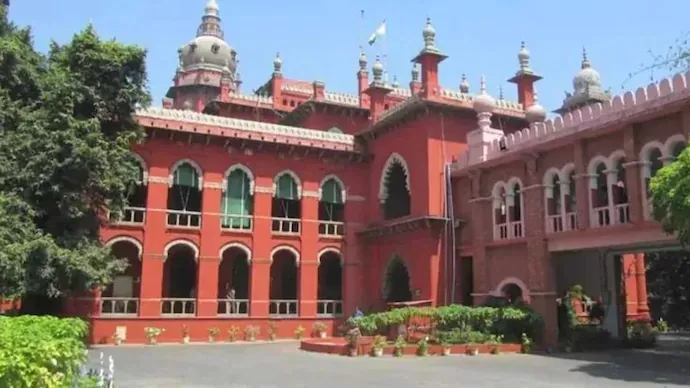
In a landmark ruling, the Madras High Court recognized the legitimacy of family formation by same-sex couples, despite the absence of legal recognition for same-sex marriages in India. The court granted relief to a woman seeking the release of her 25-year-old partner, who had been forcibly detained by her birth family due to their relationship. Emphasizing that marriage is not the exclusive foundation of family, the bench cited constitutional protections of personal autonomy and dignity. The decision underscores evolving judicial acknowledgment of LGBTQIA+ rights and sets a significant precedent in the ongoing discourse on equality and civil liberties in India.
Judicial Recognition Beyond Marriage: A Progressive Shift
In a progressive and empathetic judgment, the Madras High Court has unequivocally affirmed that same-sex couples possess the right to establish familial bonds independent of formal marital status. The ruling arose from a habeas corpus petition filed by a woman whose partner was allegedly detained against her will by her family. A division bench comprising Justices G.R. Swaminathan and V. Lakshminarayanan emphasized that the legal institution of marriage is not the sole avenue for creating a family, thereby broadening the traditional framework.
Case Background and Court Observations
The detained woman explicitly identified herself as a lesbian and affirmed her relationship with the petitioner. The court documented her harrowing account of physical abuse and forced rituals intended to alter her sexual orientation — a distressing reality faced by many in LGBTQIA+ communities. Her fear for personal safety and desire to remain with her partner were pivotal in the court’s compassionate approach.
Acknowledging the petitioner’s initial characterization of their relationship as “close friends” in police records, the court sensitively recognized the prevailing societal stigma surrounding same-sex relationships. This acknowledgment highlights the nuanced pressures LGBTQIA+ individuals face in asserting their identities.
Legal Foundations: Constitutional and Precedential Support
The court invoked landmark Supreme Court rulings, including NALSA v. Union of India and Navtej Singh Johar v. Union of India, which cement sexual orientation as intrinsic to personal autonomy and dignity, safeguarded under Article 21 of the Indian Constitution. Additionally, the bench referenced the prior Madras High Court decision in Prasanna J vs. S Sushma, where Justice Anand Venkatesh validated a “Deed of Familial Association” for LGBTQIA+ partners, marking a judicial step towards recognizing civil unions.
The bench’s acknowledgment of the “chosen family” concept further aligns with global LGBTQIA+ jurisprudence, validating non-traditional family structures grounded in mutual support and commitment.
Orders and Implications
Responding decisively, the court ordered the immediate release of the detained woman and imposed restrictions preventing her birth family from infringing upon her personal liberty. Law enforcement agencies were directed to ensure protection for both individuals as necessary. This intervention reflects the judiciary’s commitment to safeguarding individual rights and protecting vulnerable groups from coercive familial and societal pressures.
Conclusion: Advancing LGBTQIA+ Rights in India’s Legal Landscape
The Madras High Court’s ruling constitutes a significant stride in affirming the rights of LGBTQIA+ individuals to familial recognition beyond conventional marriage. It reinforces the principle that legal systems must evolve to accommodate diverse social realities, particularly in contexts where legislative frameworks lag behind societal changes.
While same-sex marriage remains unrecognized under Indian law, judicial pronouncements such as this provide crucial legal recourse and signal a broader shift towards inclusivity, dignity, and equality. For businesses, policymakers, and advocates, this decision highlights the importance of adapting to changing social dynamics and fostering environments where all forms of family are respected and protected.
Comments