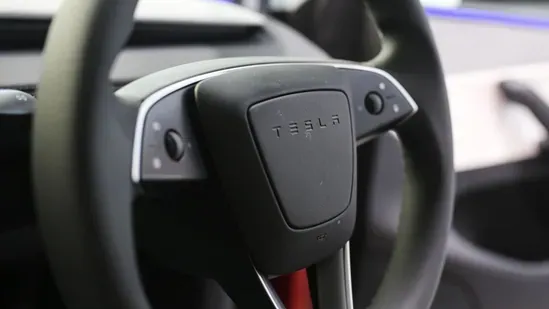
Tesla, the world’s most valuable electric vehicle (EV) manufacturer, has reported its most significant year-on-year sales drop in a decade, signaling growing challenges in a once high-growth sector. Amid intensifying global competition, slowing demand in key markets, and ongoing logistical pressures, the company’s delivery volumes have taken a substantial hit. Analysts view this downturn as a critical inflection point for Tesla, which is now navigating a rapidly maturing EV landscape marked by price wars, evolving consumer sentiment, and regulatory shifts. The sharp decline raises questions about Tesla’s near-term growth trajectory and its ability to maintain its dominant industry position.
Sharp Decline Marks a Turning Point for Tesla
In a notable setback, Tesla's quarterly vehicle deliveries have fallen by a significant margin—the sharpest drop recorded in the last ten years. While the company has endured production and demand fluctuations in the past, this current contraction points to broader structural challenges across the electric vehicle ecosystem.
The delivery figures, which form a key performance indicator for the automaker, have dropped by a double-digit percentage compared to the same period last year. For a company that built its identity around exponential growth, this slowdown is both statistically and symbolically consequential.
EV Market Enters a More Competitive Phase
Tesla is no longer the uncontested frontrunner it once was. The global EV landscape has undergone a dramatic transformation, with legacy automakers and nimble startups flooding the market with competitive offerings across segments and price points. Chinese manufacturers, in particular, have captured a growing share of the market by leveraging cost efficiencies and robust domestic demand.
In the U.S. and Europe, increased government incentives, stricter emissions regulations, and rising environmental awareness have accelerated EV adoption—but not always in Tesla’s favor. In some cases, the company's reluctance to refresh core models or diversify its lineup has left gaps that competitors are eager to fill.
Price Cuts Offer Mixed Results
Over the past year, Tesla has aggressively reduced vehicle prices in multiple regions in an attempt to stimulate demand. While the strategy has helped preserve volume in some markets, it has also compressed profit margins and raised concerns among investors about the sustainability of Tesla’s premium brand positioning.
This pricing approach appears to have reached its limits, as even substantial discounts have failed to offset the impact of growing buyer fatigue and market saturation. The decline in sales indicates that lower prices alone may no longer be enough to drive demand in a rapidly evolving EV market.
Production Bottlenecks and Delivery Disruptions
Tesla’s operations have also been affected by supply chain constraints, factory downtime, and geopolitical uncertainties. Temporary production halts at key facilities, combined with logistical challenges, have contributed to delays in vehicle deliveries.
While Tesla has invested heavily in manufacturing automation and global capacity expansion, these disruptions have hampered the company’s ability to fulfill orders and maintain service levels. In particular, delays in emerging markets have weakened Tesla’s international growth story, adding pressure to improve operational resilience.
Investor Sentiment Turns Cautious
Following the sales report, market reaction was swift. Tesla’s stock experienced a sharp decline as investors reassessed the company’s near-term outlook and future growth potential. While the brand retains considerable cachet, analysts are beginning to question whether Tesla can maintain its growth leadership in the face of intensifying competition and internal headwinds.
Some market observers argue that Tesla may need to pivot more decisively—possibly through strategic partnerships, model diversification, or software and energy verticals—to protect its long-term valuation and relevance.
Looking Ahead: A Crossroads for Tesla
The latest sales figures suggest that Tesla is entering a new, more complex chapter of its corporate journey. The era of unfettered growth appears to be yielding to one marked by margin pressure, heightened competition, and the need for product innovation.
With newer models in the pipeline, including the long-awaited Cybertruck and updates to its existing fleet, Tesla has an opportunity to regain momentum. However, the company’s ability to navigate this transitional period—while preserving both its market share and brand equity—will be closely scrutinized by stakeholders across the automotive and financial sectors.
Conclusion
Tesla’s steepest sales decline in a decade serves as a sobering reminder that even industry pioneers are not immune to cyclical and structural shifts. As the EV market matures and consumer behavior evolves, Tesla must adapt quickly or risk losing its pole position. While its technological edge and brand strength remain intact, the road ahead will demand a renewed focus on innovation, agility, and operational discipline.
Comments