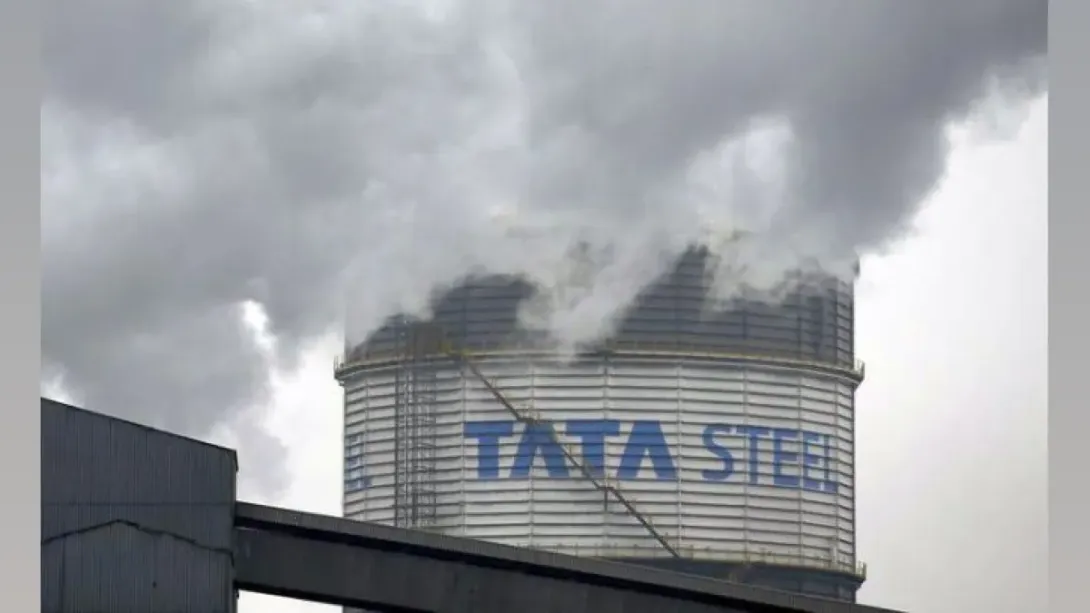
Tata Steel has received a demand notice amounting to Rs. 1,902.7 crore from the Office of the Deputy Director of Mines, Jajpur, Odisha, citing alleged shortfall in mineral dispatches from its Sukinda Chromite Block for the year spanning July 23, 2023 to July 22, 2024. The notice, grounded in Rule 12A of the 2016 Mineral Concession Rules, includes both the sale value of the shortfall quantity and the proposed appropriation of the performance security. Tata Steel has categorically rejected the claim, asserting a lack of legal and factual basis, and intends to seek recourse through appropriate judicial or quasi-judicial forums.
Legal Challenge Over Sukinda Dispatch Deficit
Tata Steel Ltd., one of India’s largest and oldest industrial corporations, is preparing to mount a legal defense against a demand notice served by the Office of the Deputy Director of Mines in Odisha’s Jajpur district. The notice pertains to an alleged shortfall in mineral dispatch from the company’s Sukinda Chromite Block during the 12-month period ending July 22, 2024.
The demand, totaling Rs. 1,902.7 crore, includes the calculated sale value of the mineral shortfall and proposed enforcement of the performance security clause under the Mine Development and Production Agreement (MDPA). The dispute centers on Rule 12A of the Minerals (Other than Atomic and Hydrocarbon Energy Minerals) Concession Rules, 2016, which governs production obligations for mining leaseholders.
Government Basis: Valuation and Regulatory Citing
The notice alleges that Tata Steel failed to dispatch the agreed quantity of minerals, thereby breaching the production obligations outlined in its MDPA. The valuation of the shortfall was derived using average sale prices notified by the Indian Bureau of Mines (IBM), a regulatory standard that frequently informs such assessments.
The demand further seeks appropriation of performance security provided by Tata Steel at the time of the mining lease, citing a violation of regulatory expectations under Rule 12A. This rule mandates minimum dispatch thresholds in operational mining blocks, with non-compliance triggering financial and legal consequences.
Tata Steel’s Response: Rejecting the Legal Grounds
In its official disclosure to the stock exchanges, Tata Steel asserted that the claims made in the demand notice are "lacking in justification and substantive basis." The company reiterated its confidence in the legality and compliance of its operations at the Sukinda Chromite Block.
Tata Steel further confirmed that it intends to challenge the demand through established legal mechanisms. “The company will pursue suitable legal remedies before the appropriate judicial or quasi-judicial forum(s),” it said, suggesting that a formal dispute resolution process is imminent.
Implications for Mining Sector Compliance
The case highlights ongoing tensions between state regulatory authorities and private leaseholders in India’s mineral-rich regions. It raises questions about the interpretation and enforcement of production obligations under the 2016 Mineral Concession Rules, especially amid fluctuating demand, logistical constraints, and evolving price benchmarks.
Experts believe that such high-value claims, unless resolved transparently and in alignment with due process, could dampen investor sentiment and complicate mining sector operations. A balance must be struck between regulatory oversight and operational flexibility to maintain momentum in India's strategic mineral production.
Conclusion: A Test Case for Industrial Regulation
As Tata Steel prepares to contest the Rs. 1,902 crore demand, the outcome may set a precedent for future disputes in India’s mining sector. The case underscores the importance of regulatory clarity, contractual adherence, and dispute resolution mechanisms in ensuring fair and sustainable resource governance. While the matter unfolds in the legal domain, stakeholders across the industry will be watching closely for its implications on mineral policy enforcement and corporate accountability.
Comments