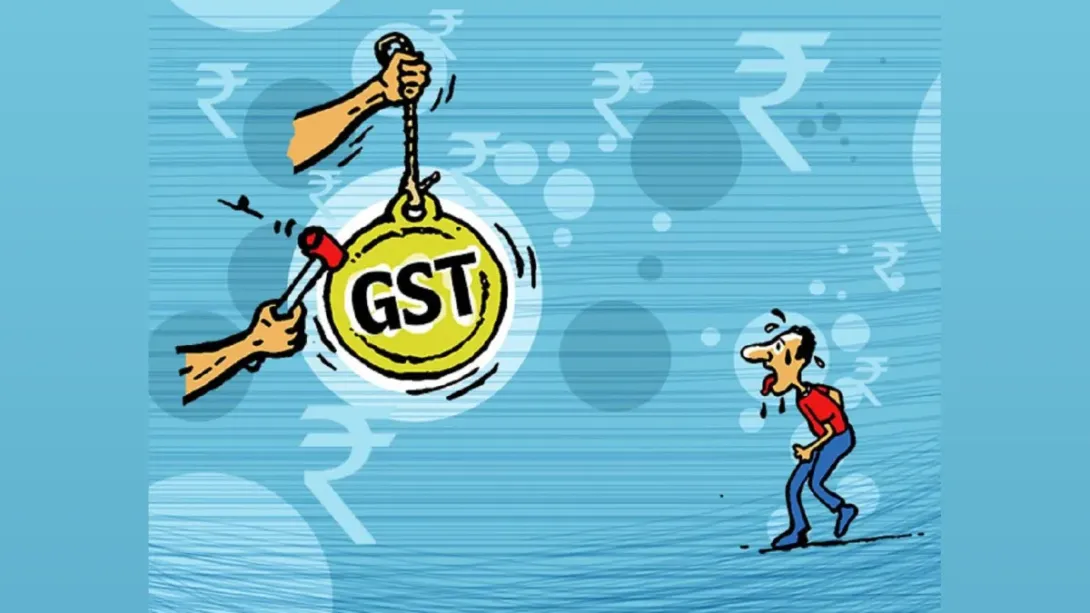
Tata Steel has been issued a show cause-cum-demand notice by tax authorities alleging irregular input tax credit (ITC) claims totaling over Rs 1,000 crore for the fiscal years 2018-19 through 2022-23. The notice requires the company to respond within 30 days to the Central GST and Central Excise authorities in Jamshedpur. While Tata Steel has already remitted over Rs 514 crore in GST during normal business operations, the net disputed exposure stands at approximately Rs 493 crore. The company refutes the allegations, asserting no financial or operational repercussions, and intends to contest the claims through due legal processes.
Background and Notice Details
Tata Steel, one of India's largest steel manufacturers, has recently come under scrutiny by tax authorities concerning its Goods and Services Tax (GST) filings. The company received a formal show cause-cum-demand notice (SCN) from the Office of the Commissioner (Audit), Central Tax, Ranchi, dated June 27. This notice accuses Tata Steel of allegedly misusing input tax credit provisions, amounting to Rs 1,007.54 crore, for the period spanning fiscal years 2018-19 to 2022-23.
The tax authorities have invoked Section 74(1) of the Central Goods and Services Tax Act, 2017 (CGST Act), read in conjunction with Section 20 of the Integrated Goods and Services Tax Act, 2017, citing irregular availment of input tax credits by the company. Tata Steel has been instructed to justify, within a 30-day timeframe, why this GST amount should not be demanded and recovered.
Financial Implications and Company Response
According to Tata Steel’s stock exchange filing, the company has already discharged Rs 514.19 crore of GST liabilities during its routine business operations over the relevant period. The tax authorities plan to appropriate this amount against the alleged irregular credit, effectively reducing the net contested exposure to approximately Rs 493.35 crore.
Despite the sizable notice, Tata Steel maintains a firm stance on the matter, describing the allegations as unfounded. The company reiterated its confidence that the notice lacks substantive merit and emphasized that it will provide a comprehensive response before the designated authority within the prescribed deadline.
Importantly, Tata Steel stressed that the SCN will not impact its financial health, operations, or any other business activities. This assertion is designed to reassure stakeholders that the company’s ongoing performance and strategy remain unaffected by the legal proceedings.
Understanding Input Tax Credit in GST Framework
Input tax credit is a critical mechanism within the GST framework, allowing businesses to offset the tax paid on inputs against their output tax liabilities. This ensures tax neutrality and prevents cascading taxes, a long-standing challenge in indirect taxation systems.
However, the correct and compliant availing of ITC requires strict adherence to procedural and documentary norms as outlined in the CGST Act and related regulations. The tax authorities’ notice suggests that Tata Steel may have contravened these provisions, triggering the recovery process.
Broader Implications and Industry Context
This development highlights the increasing vigilance of Indian tax authorities in auditing and verifying GST credits claimed by large corporates. The steel industry, characterized by substantial input costs and complex supply chains, is particularly susceptible to such tax disputes.
While the current case has not impacted Tata Steel’s financial statements, continued scrutiny may lead to reputational considerations and potential cash flow implications if demands are upheld post-litigation.
Conclusion
Tata Steel’s receipt of a show cause notice alleging irregular GST input tax credits underscores the complexities of tax compliance in large industrial enterprises. The company’s firm rejection of the allegations and its commitment to contesting the notice indicate confidence in its compliance framework.
Investors and market observers will closely monitor how this dispute evolves, given its potential financial magnitude and implications for corporate tax governance. Meanwhile, Tata Steel’s assurance of no operational impact offers some comfort amid regulatory uncertainties.
Comments