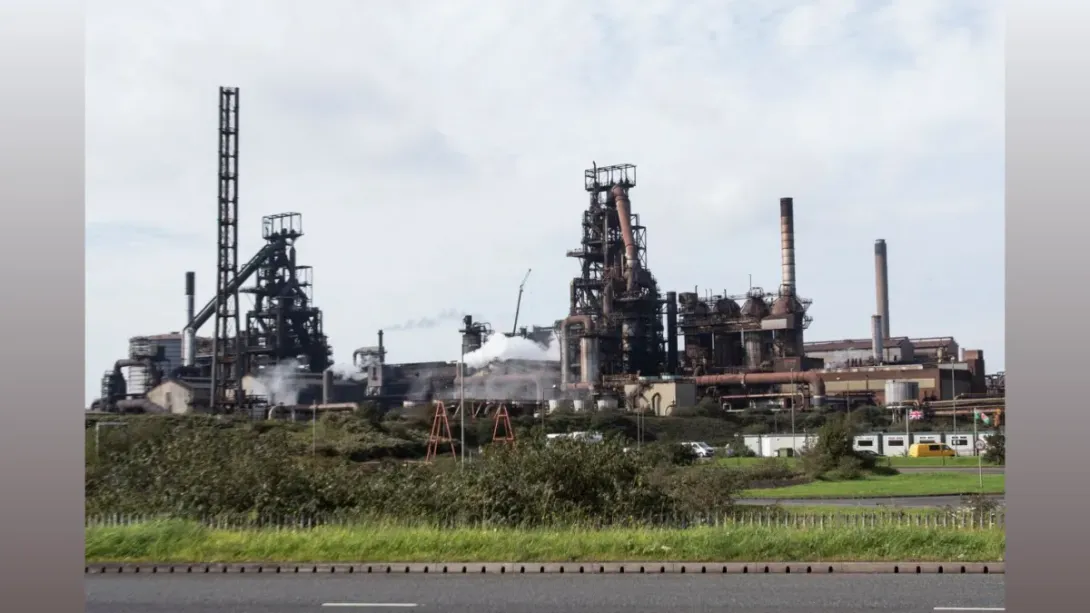
Tata Steel is advancing its green steel transition plans in the United Kingdom and the Netherlands, affirming its commitment to decarbonising its European operations within the scheduled timeframe. Speaking at the company’s 118th Annual General Meeting, Chairman N. Chandrasekaran outlined the group’s progress, including the decommissioning of legacy blast furnaces at Port Talbot and strategic initiatives underway at the IJmuiden facility. Backed by significant government support and internal cost optimisation targets, Tata Steel aims to lead Europe’s steel sector towards sustainability. The AGM also included tributes to late Tata Group chairman emeritus Ratan Tata and victims of the Air India Flight 171 tragedy.
Strategic Shift: Green Steel Vision Gains Momentum
Tata Steel’s decarbonisation strategy, one of the most ambitious within Europe’s metals industry, is firmly on track according to Chairman N. Chandrasekaran. Addressing shareholders at the company’s 118th AGM, he reaffirmed Tata Steel’s commitment to shifting toward low-emission steel manufacturing, with both its UK and Dutch operations undergoing fundamental restructuring to enable the transition.
The company’s roadmap aligns with broader global climate targets and positions Tata Steel as a front-runner in industrial sustainability. A significant focus lies in transitioning from high-carbon blast furnace processes to cleaner technologies, including Electric Arc Furnaces (EAF) and Direct Reduced Iron (DRI) units.
UK Operations: Legacy Shuts Down, EAF on the Horizon
In the United Kingdom, Tata Steel operates the country's largest steelworks in Port Talbot, South Wales, with a capacity of 3 million tonnes per annum. As part of its decarbonisation strategy, the company has decommissioned two blast furnaces at the site, marking a critical pivot away from carbon-intensive steelmaking.
The company will install a state-of-the-art Electric Arc Furnace at Port Talbot, a transition scheduled for completion by fiscal 2028. This project is supported by a £500 million (approximately Rs. 5,300 crore) funding commitment from the UK government. The use of locally sourced scrap in EAF operations is expected to dramatically reduce emissions, while also contributing to circular economy goals.
Meanwhile, upstream operations in the UK have ceased, with Tata Steel leveraging substrates from its Indian and Dutch plants to meet ongoing customer demand in the region.
Netherlands: Ambitious Overhaul Backed by Policy Engagement
In the Netherlands, Tata Steel’s IJmuiden facility remains central to the company’s European operations. With a production capacity of approximately 6.75 million tonnes of liquid steel annually, the plant is undergoing its own green transition.
One of the two blast furnaces at the site will be replaced by a DRI furnace and an Electric Arc Furnace by the end of this decade. Discussions with the Dutch government are ongoing to secure financial and policy support for the project. Additionally, a cost transformation program targeting savings of €500 million (approximately Rs. 4,500 crore) in fiscal 2026 has been launched, aimed at elevating Tata Steel Nederland to the ranks of Europe’s most efficient and sustainable steel producers.
Tribute to Leadership and Tragedy
During the AGM, Chandrasekaran paid tribute to former Tata Group Chairman Emeritus Ratan Tata, who passed away in October 2024. He credited Ratan Tata’s visionary leadership for transforming Tata Steel into a globally respected industrial powerhouse.
Chandrasekaran also expressed condolences over the recent Air India Flight 171 tragedy, which resulted in significant loss of life. “We honour those who lost their lives, along with all the families and loved ones affected,” he stated, reflecting the group's longstanding ethos of empathy and responsibility.
Conclusion: Steering a Legacy into a Sustainable Future
Tata Steel’s green steel strategy is a hallmark of industrial reinvention—balancing legacy, innovation, and environmental responsibility. The company’s progress in the UK and the Netherlands, bolstered by substantial government collaboration and internal reform, signals a broader shift within the global steel sector toward low-carbon operations.
As Tata Steel moves ahead with this transformation, it not only redefines its industrial future but also sets a benchmark for others navigating the twin challenges of competitiveness and sustainability. With strong leadership and strategic clarity, the company appears well-positioned to meet its green objectives while honouring the enduring legacy of those who shaped its path.
Comments