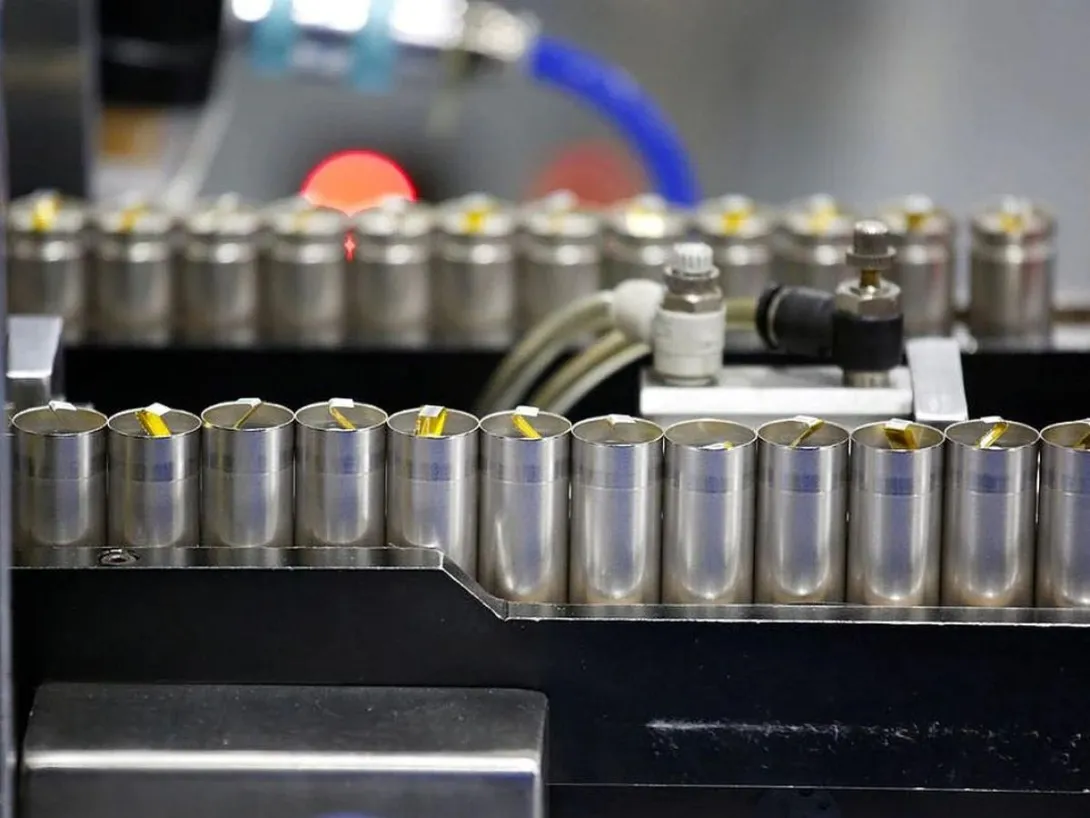
In a significant development for India’s renewable energy landscape, Sunsure Energy and NTPC Vidyut Vyapar Nigam (NVVN) have signed an agreement to develop a 500 MWh Battery Energy Storage System (BESS) for Uttar Pradesh Power Corporation Ltd. (UPPCL). The project, aligned with India’s ambitious clean energy transition, will enhance grid stability, enable renewable energy integration, and support peak-hour electricity demand. This collaboration underscores the growing role of large-scale storage systems in addressing intermittency challenges, while positioning Uttar Pradesh as a key state in India’s renewable energy transformation.
The Agreement
Sunsure Energy, a prominent renewable energy developer, has partnered with NTPC Vidyut Vyapar Nigam, a subsidiary of NTPC Ltd., to deliver a 500 MWh BESS project dedicated to UPPCL. The system is designed to store surplus renewable energy during low-demand periods and release it when demand surges, ensuring greater efficiency and reliability for the state’s grid infrastructure.
Officials said the agreement is a step toward achieving India’s broader goal of deploying 47 GWh of energy storage capacity by 2030, as laid out in the national roadmap for renewable energy integration.
Why Battery Storage Matters
Energy storage is emerging as the linchpin of India’s renewable future. While the country has scaled up solar and wind power capacities at an unprecedented rate, the intermittent nature of these resources creates supply fluctuations. Large-scale storage systems such as the one planned in Uttar Pradesh will help flatten these inconsistencies, provide backup power during outages, and reduce reliance on fossil fuel-based peaking plants.
Industry experts highlight that battery storage will not only strengthen energy security but also enhance the commercial viability of renewable projects by making supply more predictable.
Implications for Uttar Pradesh
Uttar Pradesh, India’s most populous state, faces one of the highest electricity demand curves in the country. The integration of a 500 MWh storage project is expected to reduce grid stress during peak demand and improve power availability for industries, households, and agricultural users.
For UPPCL, this initiative could mark a turning point in balancing its growing energy requirements with sustainability targets. Additionally, the project may attract further investment into Uttar Pradesh’s clean energy ecosystem, encouraging both public and private participation.
Broader Industry Context
India’s energy storage sector is witnessing rapid momentum, with several states moving to adopt large-scale BESS projects. The central government’s emphasis on energy storage, backed by incentives and regulatory reforms, is creating a favorable environment for such collaborations.
The Sunsure–NVVN partnership reflects this evolving landscape, where private developers and public-sector entities are working together to scale up infrastructure. Analysts expect more such agreements in the near future, as India aims to reach its 500 GW renewable energy target by 2030.
Conclusion
The 500 MWh BESS project signed between Sunsure Energy and NVVN for UPPCL is more than just a contract—it is a strategic milestone in India’s transition toward a cleaner, more resilient energy system. By addressing grid reliability, supporting peak demand, and enhancing renewable integration, the initiative positions Uttar Pradesh as a leader in energy innovation. As the country accelerates its green transition, such storage projects will become essential pillars of India’s power sector.
Comments