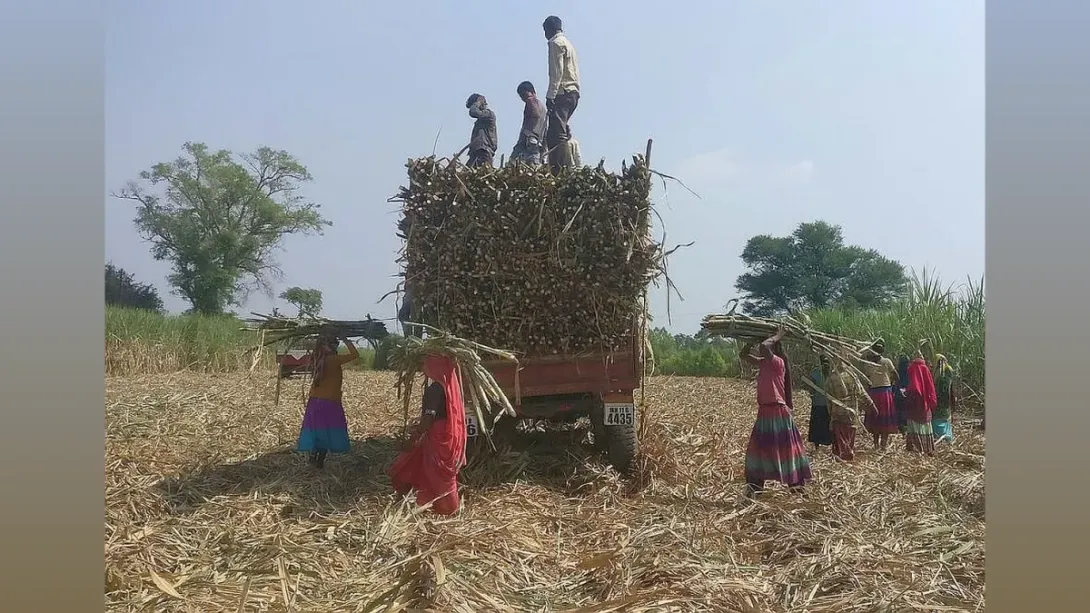
A newly developed sugarcane variety known as ‘Bismil,’ originating from Uttar Pradesh, has received official approval for cultivation in four Indian states, marking a significant advancement in agricultural innovation. The clearance allows farmers to adopt the variety across a wider geography, potentially improving yields, sugar recovery rates, and farm incomes. Developed to address challenges such as climate variability and disease resistance, the Bismil variety is expected to support both growers and the sugar industry. Agricultural experts view the multi-state approval as a step toward enhancing crop sustainability and strengthening the rural economy.
Regulatory Approval Expands Cultivation Footprint
The approval of the Bismil sugarcane variety in four states follows extensive field trials and performance evaluations by agricultural authorities. Such clearances are granted only after a variety demonstrates consistent productivity, adaptability to local agro-climatic conditions, and resistance to common pests and diseases. The expanded approval enables state governments and agricultural institutions to promote the variety among farmers.
Productivity and Agronomic Advantages
Bismil has been developed with a focus on higher cane yield and improved sugar content, both critical metrics for farmer profitability and mill efficiency. Preliminary assessments indicate that the variety performs well under varying soil and weather conditions, offering resilience against environmental stress. These attributes could help mitigate production risks faced by farmers in an increasingly unpredictable climate.
Implications for Farmers and the Sugar Industry
Wider adoption of the new variety is expected to benefit farmers through better output and more stable returns. For sugar mills, higher recovery rates translate into improved operational efficiency and cost management. Industry stakeholders note that varietal improvements play a crucial role in sustaining the competitiveness of India’s sugar sector, which supports millions of rural livelihoods.
Strengthening Agricultural Innovation
The development and approval of Bismil reflect ongoing efforts to modernize India’s agricultural base through research-led solutions. Public sector research institutions and state agricultural universities continue to focus on crop improvement to enhance food and industrial crop security. Multi-state approval is often seen as a benchmark of a variety’s robustness and scalability.
Outlook: Adoption and Long-Term Impact
Experts believe the success of the Bismil variety will depend on effective seed multiplication, farmer awareness, and extension support. If adoption gains momentum, the variety could contribute meaningfully to productivity growth and income stability in sugarcane-growing regions. Over the long term, such innovations are expected to strengthen the resilience and sustainability of India’s agrarian economy.
Comments