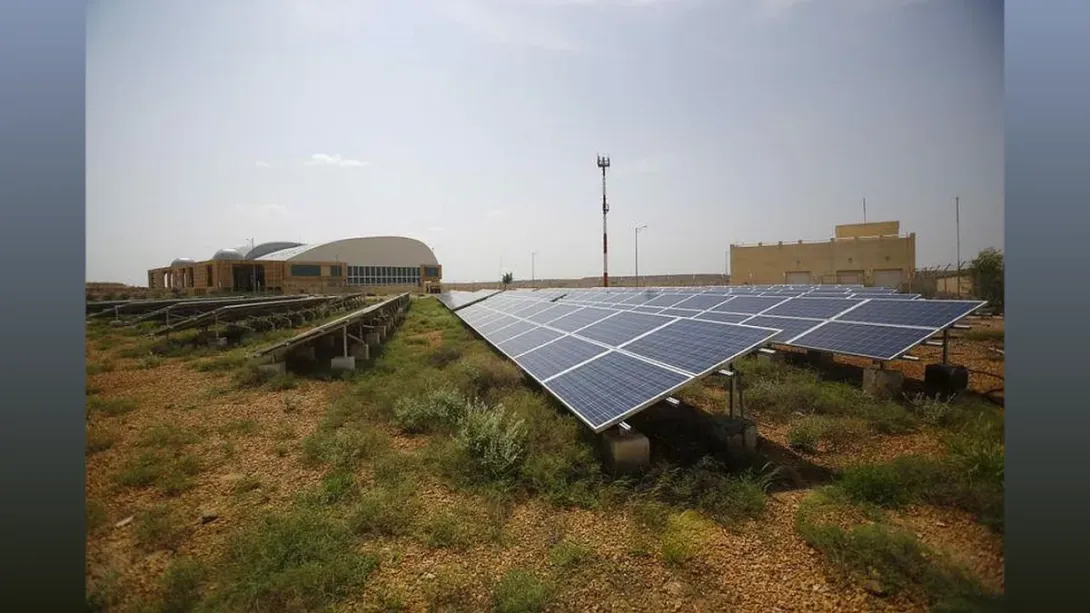
Reliance NU Energies Ltd (RNUE), a wholly owned subsidiary of Reliance Industries Ltd (RIL), has been awarded a 750 MW firm and dispatchable renewable energy (FDRE) project by NTPC Vidyut Vyapar Nigam Ltd (NVVN). The project, designed to deliver consistent renewable power even during non-solar hours, underscores Reliance’s growing dominance in India’s clean energy transition. This development not only strengthens RIL’s strategic foothold in the renewables sector but also marks a crucial step toward India’s 500 GW non-fossil energy target by 2030.
A Major Win in India’s Energy Transition
Reliance NU Energies’ successful bid for the 750 MW FDRE project comes at a time when India’s energy landscape is undergoing rapid decarbonization. The project, awarded by NVVN, a subsidiary of NTPC Ltd, reflects the growing emphasis on firm renewable power — a segment designed to ensure grid stability by integrating energy storage and hybrid generation technologies.
Under the FDRE model, renewable power producers must guarantee dispatchable power availability, addressing one of the key challenges of renewable generation: intermittency. The award to RNUE underscores both the company’s technological capabilities and its ability to deliver scalable, reliable green energy solutions.
Strengthening Reliance’s Green Energy Portfolio
Reliance Industries has made aggressive investments in renewable infrastructure through Reliance New Energy Ltd (RNEL) and its subsidiaries. The FDRE project aligns with RIL’s broader ambition to build a fully integrated “New Energy Ecosystem”, spanning solar module manufacturing, battery storage, hydrogen production, and green mobility solutions.
This 750 MW project will add significant capacity to Reliance’s growing clean energy portfolio. The company has already initiated major projects at its Dhirubhai Ambani Green Energy Giga Complex in Jamnagar, which includes four gigafactories — for solar photovoltaic cells, advanced batteries, fuel cells, and green hydrogen.
The FDRE project award further strengthens RIL’s position as a central player in India’s renewable value chain, bridging the gap between generation and grid integration.
Meeting India’s Firm Renewable Energy Goals
India’s renewable energy mission has evolved beyond capacity addition to ensuring firm and dispatchable power supply. The Ministry of Power has been promoting FDRE projects to integrate renewables seamlessly into the national grid while maintaining energy reliability.
By securing this contract, Reliance NU Energies joins the select group of developers capable of managing hybrid energy systems — integrating solar, wind, and battery storage to deliver uninterrupted power. The company’s participation in this segment also demonstrates private sector readiness to take on complex projects that complement government-led initiatives.
According to energy experts, the FDRE framework represents the future of India’s clean energy deployment, where power supply is both sustainable and stable, enabling industries and utilities to transition smoothly away from fossil fuels.
Strategic and Economic Implications
The 750 MW FDRE project carries strategic implications for both Reliance Industries and India’s energy ecosystem. For Reliance, the project provides long-term revenue visibility through firm power purchase agreements (PPAs), while enabling cost optimization across its integrated green energy infrastructure.
From an economic standpoint, this development boosts investor sentiment around India’s renewable energy sector, which continues to attract significant global capital. Reliance’s deep balance sheet and execution capacity position it as a dependable partner for large-scale national energy projects.
Moreover, the success of such projects could accelerate India’s progress toward net-zero emissions by 2070, in line with its Paris Agreement commitments.
A Step Toward Energy Self-Reliance
Reliance Chairman Mukesh Ambani has repeatedly emphasized the company’s mission to make India a global hub for clean energy manufacturing. The FDRE project win reinforces that vision, enabling Reliance NU Energies to demonstrate technological self-sufficiency and execution excellence at scale.
As India’s energy mix shifts from fossil-based generation to renewable systems, projects like these become cornerstones of national energy independence. Reliance’s involvement in FDRE solutions positions it at the forefront of India’s transition to a sustainable, self-reliant, and resilient energy future.
Conclusion
The award of the 750 MW FDRE project to Reliance NU Energies is a defining moment in India’s renewable energy journey. It represents not only a technological advancement in firm renewable power but also a strategic leap for Reliance Industries in shaping the next generation of clean energy infrastructure.
By merging industrial scale with innovation, Reliance is paving the way for an era where renewable power becomes as reliable as conventional energy — marking a crucial step toward India’s sustainable growth and global energy leadership.
Comments