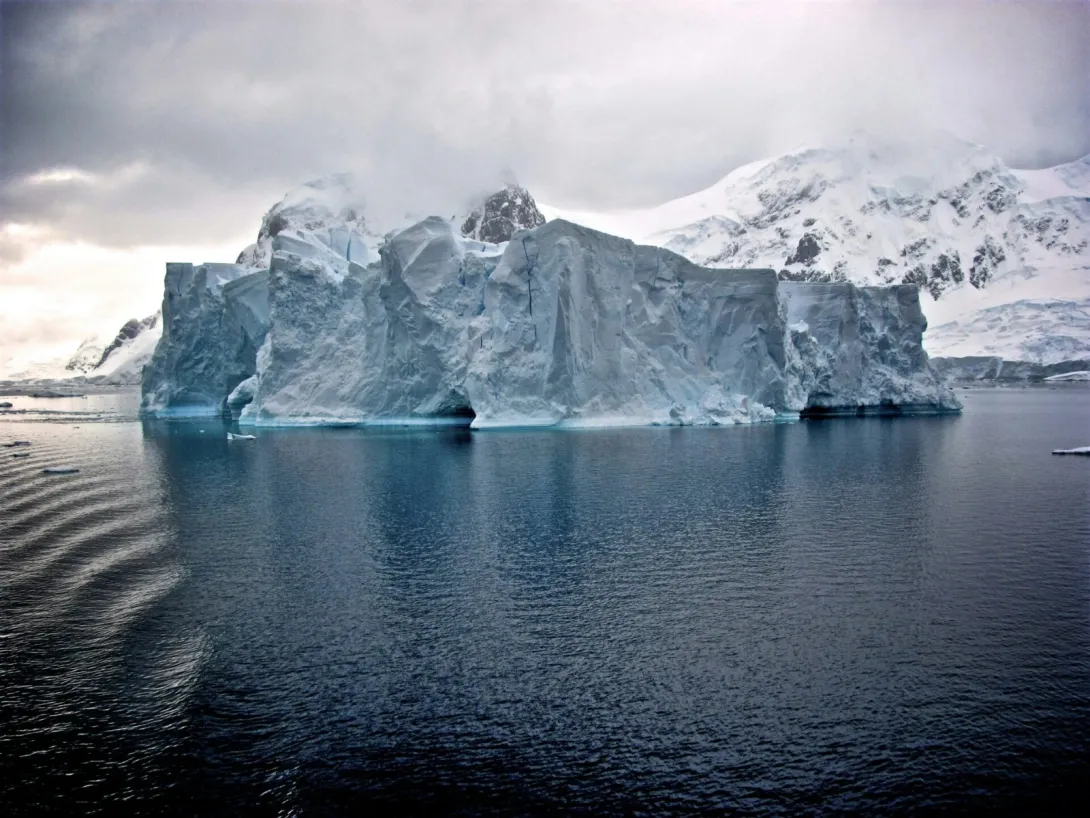
Antarctica, Earth’s coldest and most remote continent, is rapidly emerging as both a climate barometer and a geopolitical focal point. While scientists warn of accelerating ice melt that could raise global sea levels, governments and corporations are weighing the long-term economic stakes—from fisheries and tourism to resource exploration. The continent’s governance, regulated by the Antarctic Treaty, restricts commercial exploitation, yet pressure is mounting as climate change reshapes its ecosystems and global demand for resources intensifies. Antarctica today is not only a story of environmental fragility but also a test of humanity’s capacity to balance science, commerce, and stewardship.
Climate Change and Global Consequences
Recent satellite data and field research reveal that Antarctic ice sheets are melting at unprecedented rates. The West Antarctic Ice Sheet alone contains enough ice to raise global sea levels by several meters if destabilized. For coastal economies across Asia, Africa, and the Americas, this translates into potential damages worth trillions of rupees over the coming century. Rising seas threaten ports, real estate, and agricultural lands, creating long-term risks for global supply chains and infrastructure investors. Antarctica, once viewed as isolated, is now a central player in the economic calculus of climate adaptation.
Governance and Strategic Interests
Since 1959, the Antarctic Treaty has preserved the continent for scientific research, banning military activity and commercial exploitation of mineral resources. However, geopolitical interest is rising as nations from China to India increase their presence through research stations and logistical networks. The financial stakes are significant: maintaining a permanent base can cost upwards of Rs. 1,000 crore annually, yet the returns are measured in scientific influence, soft power, and strategic access. As Arctic routes open and polar science grows more critical, Antarctica is becoming an arena where research budgets intersect with global diplomacy.
The Economics of Science and Tourism
Investment in Antarctic science is not merely altruistic. Breakthroughs in glaciology, marine biology, and atmospheric chemistry drive innovations in sectors ranging from pharmaceuticals to climate modeling. Moreover, Antarctica’s allure is fueling a niche tourism industry. Luxury cruise operators now offer expeditions costing between Rs. 10 lakh and Rs. 25 lakh per passenger, catering to high-net-worth travelers seeking exclusivity. Though tourism remains tightly regulated to limit environmental impact, its growth reflects how Antarctica has transformed from an inaccessible wasteland into a high-value experiential market.
Risks and Opportunities for Global Business
For multinational corporations, Antarctica represents both a risk indicator and a frontier of opportunity. Insurance companies, for instance, are recalibrating their models to account for sea-level rise linked to Antarctic melt. Renewable energy firms benefit from polar research into wind and solar technologies under extreme conditions. Meanwhile, the potential—though currently prohibited—for future resource extraction keeps the continent in long-term strategic conversations. The balance between preservation and profit will likely define policy debates for decades.
Looking Forward
Antarctica’s trajectory embodies the complexities of 21st-century global governance: ecological urgency, economic ambition, and political rivalry converge on the world’s last great wilderness. Whether humanity succeeds in preserving the continent’s fragile ecosystems while responsibly leveraging its scientific and economic potential will shape both environmental stability and international relations. For investors, policymakers, and scientists alike, Antarctica is more than an icy frontier—it is a mirror reflecting the choices and trade-offs of a warming, interconnected world.
Comments