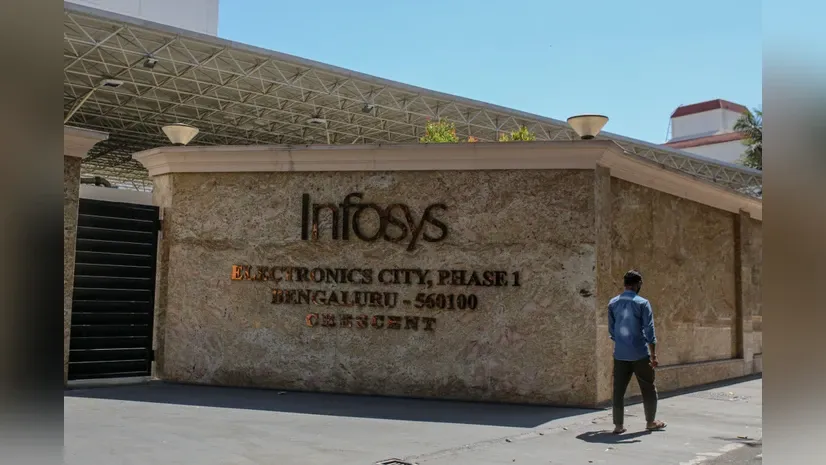
Infosys Ltd., one of India’s leading IT services companies, has announced a massive Rs. 18,000 crore share buyback plan, signaling its commitment to rewarding shareholders while maintaining balance sheet strength. The move reflects confidence in the company’s cash flows, long-term growth prospects, and ability to navigate an increasingly competitive global technology landscape. Market analysts believe the buyback could support share prices in the near term, particularly amid global macroeconomic uncertainties. The program also highlights Infosys’ strategy to return excess capital to investors while continuing to invest in digital transformation, cloud services, and artificial intelligence initiatives.
Details of the Buyback Plan
The Rs. 18,000 crore buyback will be executed through the open market route, offering the company flexibility in repurchasing shares at prevailing market prices. This approach contrasts with a tender offer method, where investors bid their shares at a fixed price. Infosys has structured the buyback in a way that allows gradual accumulation, thereby reducing volatility while supporting stock valuations over the coming months.
Strategic Rationale
For Infosys, the buyback is not merely a capital distribution exercise but also a strong signal of its confidence in business fundamentals. The company has consistently delivered resilient earnings despite currency fluctuations, margin pressures, and global demand uncertainties. Analysts note that by returning capital, Infosys underscores its robust financial health and ability to balance shareholder returns with investments in innovation.
Market Reaction and Investor Sentiment
The announcement is expected to boost investor confidence, with many anticipating positive momentum in Infosys’ stock. Share buybacks generally reduce the number of outstanding shares, enhancing earnings per share (EPS) and providing a cushion to valuations. However, experts also caution that the IT sector faces headwinds, including slower discretionary spending by global clients and pricing pressures in traditional outsourcing contracts. The buyback, therefore, could serve as a stabilizer during periods of volatility.
Broader Implications for the IT Sector
Infosys’ move aligns with a broader trend among Indian IT majors that are increasingly leveraging buybacks as a tool to optimize capital allocation. The decision may set a precedent for other large-cap technology firms to explore similar measures as they navigate industry shifts. With global enterprises accelerating digital adoption, firms like Infosys must balance aggressive reinvestment with prudent capital distribution to keep shareholders engaged.
Outlook
Market watchers believe that the buyback program will support Infosys’ stock in the short term while the company’s execution on digital transformation and artificial intelligence initiatives will define its longer-term trajectory. Investors will closely monitor the pace of share repurchases and the company’s performance in upcoming quarters to assess whether the buyback translates into tangible value creation.
Comments