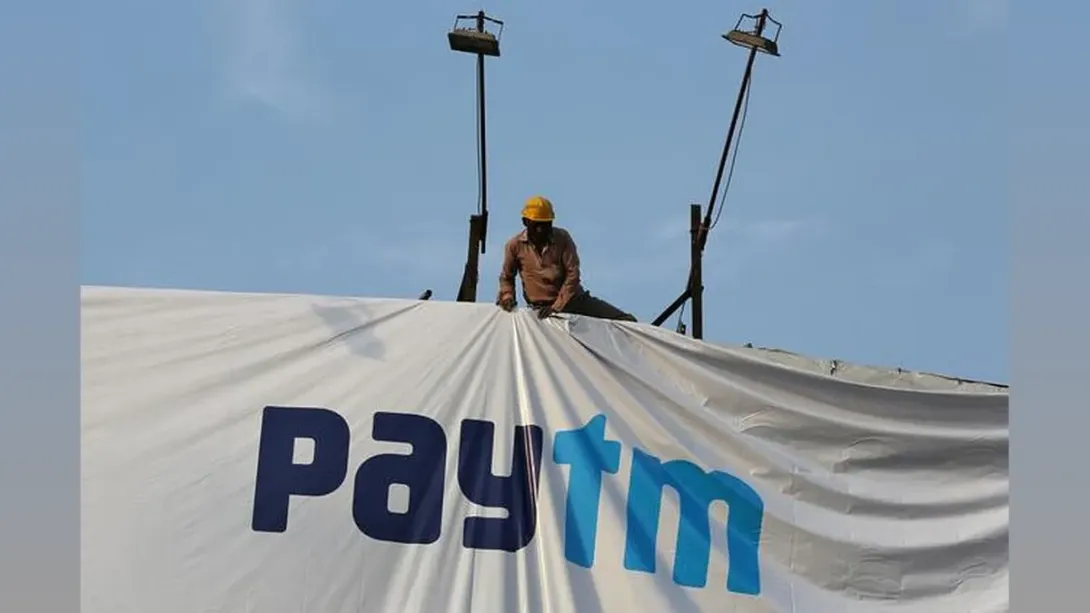
In a significant development for India’s fintech landscape, Paytm Payments Bank has received the Reserve Bank of India’s approval to function as a payment aggregator. This authorization allows the company to provide digital payment solutions to merchants nationwide, enabling seamless transactions through various channels. The move marks a pivotal step in Paytm’s strategy to strengthen its foothold in the rapidly evolving digital payments ecosystem. Industry observers see this as an opportunity for Paytm to diversify revenue streams, enhance merchant engagement, and compete more effectively against established rivals, especially as India accelerates toward a cashless economy.
Regulatory Milestone for Paytm
The Reserve Bank of India’s nod grants Paytm Payments Bank the legal and operational framework to act as a payment aggregator, allowing it to onboard merchants and process transactions without relying on third-party service providers. This will not only streamline the company’s operations but also provide greater control over transaction flows and customer experience.
Strategic Business Impact
With the payment aggregator license, Paytm can expand its merchant acquisition strategy by offering competitive transaction fees, faster settlement cycles, and value-added services such as analytics and credit facilitation. These capabilities position the company to strengthen its merchant network, which is a key revenue driver in India’s growing digital commerce sector.
Boost to Digital Payment Infrastructure
The approval also reinforces the broader national agenda of promoting a less-cash economy. Payment aggregators play a crucial role in facilitating secure, efficient, and interoperable payment systems. For Paytm, this regulatory green light comes at a time when UPI transactions and QR-based payments are witnessing record adoption across urban and semi-urban India.
Competitive Landscape
Paytm’s entry into the payment aggregator space intensifies competition with players such as Razorpay, PhonePe, and PayU. Success will depend on how effectively it integrates payment solutions with its existing ecosystem, which includes consumer wallets, UPI services, and financial products. If executed strategically, this could boost Paytm’s market share and revenue stability in a sector characterized by high customer acquisition costs and razor-thin margins.
Comments