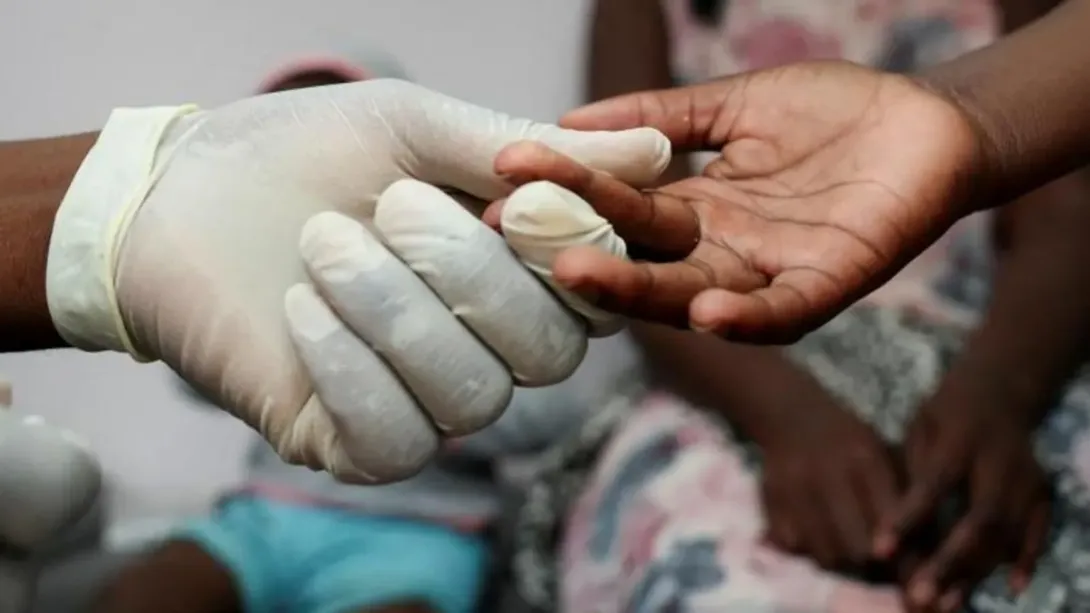
A looming health crisis threatens South Africa as substantial reductions in American financial assistance jeopardize the country’s long-running efforts to combat HIV. Washington’s decision to scale back aid directed at prevention and treatment programs could undermine years of progress, leaving vulnerable communities at heightened risk. With South Africa shouldering one of the world’s heaviest HIV burdens, the potential fallout extends beyond public health, carrying serious economic and social consequences. This development underscores the delicate balance between foreign support and domestic resilience, spotlighting the urgent need for sustainable strategies to protect hard-won gains.
Mounting Concerns as Lifelines Dwindle
South Africa’s healthcare framework has long relied on international partnerships to curb the spread of HIV, with the United States historically playing a pivotal role through substantial grants and technical expertise. Recent decisions to reduce these allocations—amounting to a notable cut from prior commitments—have sparked apprehension among healthcare providers and community activists alike.
Local organizations warn that the withdrawal of funds could disrupt critical services, including testing initiatives, counseling programs, and the supply of antiretroviral drugs. Such setbacks not only threaten to reverse a downward trend in new infections but could also fuel a silent resurgence of the epidemic.
The Economic Undercurrents of a Health Crisis
Beyond its devastating human toll, a spike in HIV cases poses significant economic risks. A weakened workforce, rising healthcare expenditures, and the strain on public systems can erode national productivity. For businesses operating in South Africa, this environment introduces uncertainties that could deter investment and hamper growth prospects.
Moreover, communities already grappling with high unemployment and poverty face the grim possibility of compounding hardships. As treatment programs falter, household incomes could be further destabilized by medical expenses and the loss of primary earners.
Calls for Stronger Domestic Commitment
While international funding remains a critical pillar of HIV intervention in South Africa, experts argue that bolstering internal mechanisms is equally essential. Strengthening local healthcare infrastructure, investing in education campaigns, and enhancing domestic financing could mitigate the shock of external cuts.
Leaders in the health sector advocate for a recalibrated strategy that combines ongoing foreign partnerships with robust national ownership. By embedding resilience into the healthcare system, South Africa may better safeguard its population against the vulnerabilities exposed by shifting global priorities.
A Test of Long-Term Preparedness
Ultimately, the situation serves as a stark reminder of how deeply intertwined public health and economic stability are—and how reliant many nations remain on external goodwill. As funding landscapes evolve, South Africa confronts a pivotal juncture: either adapt by cultivating more self-sufficient systems or risk seeing decades of progress slip away.
For now, the concern voiced by community groups and healthcare professionals underscores an urgent imperative—to act decisively before the threat of rising infections transforms into a broader humanitarian and economic emergency.
.
Comments