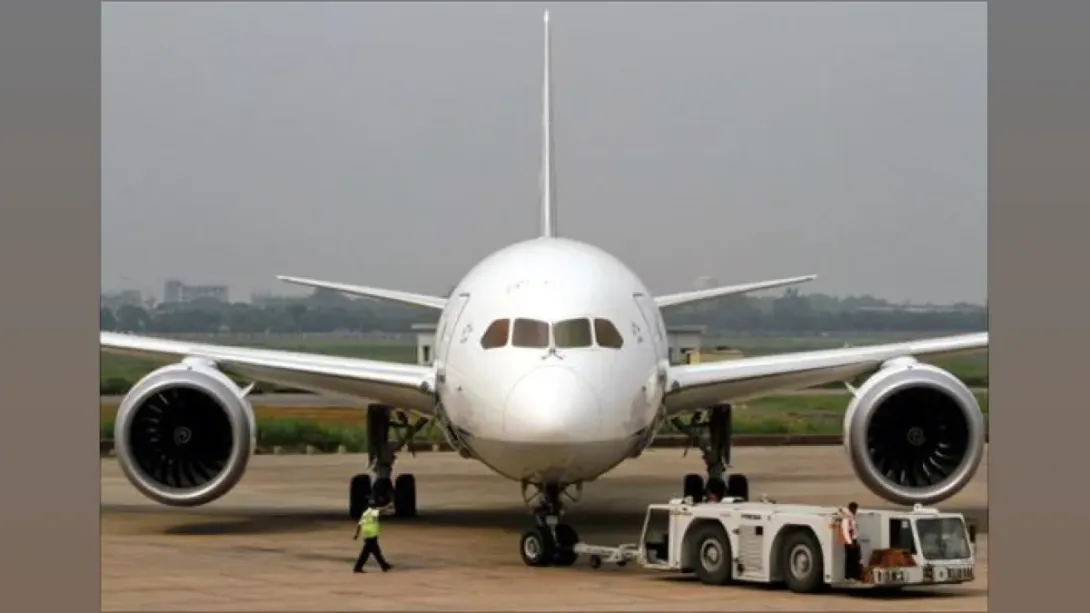
Shankh Air, Uttar Pradesh’s pioneering full-service carrier, is poised to reshape regional aviation with its planned launch in the next few months. The Lucknow-headquartered airline has applied for its DGCA permit and aims to deploy a fleet of Airbus A320s to establish six initial routes from Lucknow. By targeting underserved cities such as Varanasi, Gorakhpur, Ayodhya, Chitrakoot, Indore and Dehradun, the airline aligns with the UDAN initiative and state development goals. With strategic engagement— including meetings with the civil aviation minister—and a focus on customer-first service, Shankh Air seeks to catalyse tourism, industry growth and connectivity in UP and beyond.
From Concept to Clearance: Regulatory Milestones
Shankh Air has successfully secured its No-Objection Certificate from the Ministry of Civil Aviation and is now awaiting the final Air Operator Certificate (AOC) from the Directorate General of Civil Aviation (DGCA) . The carrier’s leadership, led by Chairman Shravan Kumar Vishwakarma, recently met with Aviation Minister K Rammohan Naidu to ensure alignment with India’s regional connectivity initiative under UDAN .
Aircraft Strategy: Moving Beyond Turboprops
Distinguishing itself from many regional rivals, Shankh Air plans to operate Airbus A320 narrow-bodies rather than turboprops. This decision aims to elevate reliability, capacity and passenger comfort—catering to those seeking full-service quality on regional journeys .
Launch Routes: Linking Lucknow to Six Destinations
As part of its initial route network, Shankh Air intends to operate flights from Lucknow to:
Varanasi
Gorakhpur
Ayodhya
Chitrakoot
Indore
Dehradun
These routes combine high tourism potential (e.g., Ayodhya, Chitrakoot) with key cultural and economic hubs (Varanasi, Gorakhpur), filling current connectivity gaps.
Strategic Hubs: Anchoring in Lucknow with an Eye on Jewar
With its headquarters in Lucknow, Shankh Air is set to coordinate operations across UP. Furthermore, the airline has expressed interest in establishing a hub at the forthcoming Noida Jewar International Airport, providing strategic access to the Delhi NCR and signalling ambitions for a broader network hub system .
Fleet Vision and Growth Curve
Shankh Air is expected to begin operations with a modest fleet of Airbus A320s, scaling its presence quickly. Backed by chairman and parent company investments, industry forecasts anticipate an initial fleet of 5 aircraft in 2025, with expansion to 15 by 2026—followed by potential entry into international markets by 2027 .
Regional Impact: Economy, Tourism & Employment
By connecting underserved regions, Shankh Air is set to bolster local economies, create employment, and support UP’s tourism agenda. The airline’s modern fleet and service standards are expected to attract business travellers and tourists, enhancing the state’s development profile .
Competitive Advantage and Sectoral Context
In a market dominated by a few large carriers—IndiGo commands over 60% share—Shankh Air arrives with a differentiated full-service model focused on regional excellence. Its strategic position in UP and unique fleet strategy offer potential to disrupt the duopoly and introduce enhanced competition .
Conclusion: A Takeoff Poised for Growth
Shankh Air’s carefully constructed launch plan—from securing regulatory clearance to assembling a suitable fleet and forging key route connections—signals a new regional player prepared to uplift Uttar Pradesh’s mobility landscape. If execution aligns with strategy, the airline could not only transform intra-state connectivity but also chart a credible path toward national and international prominence—an impactful ascent for India’s aviation ecosystem.
Comments