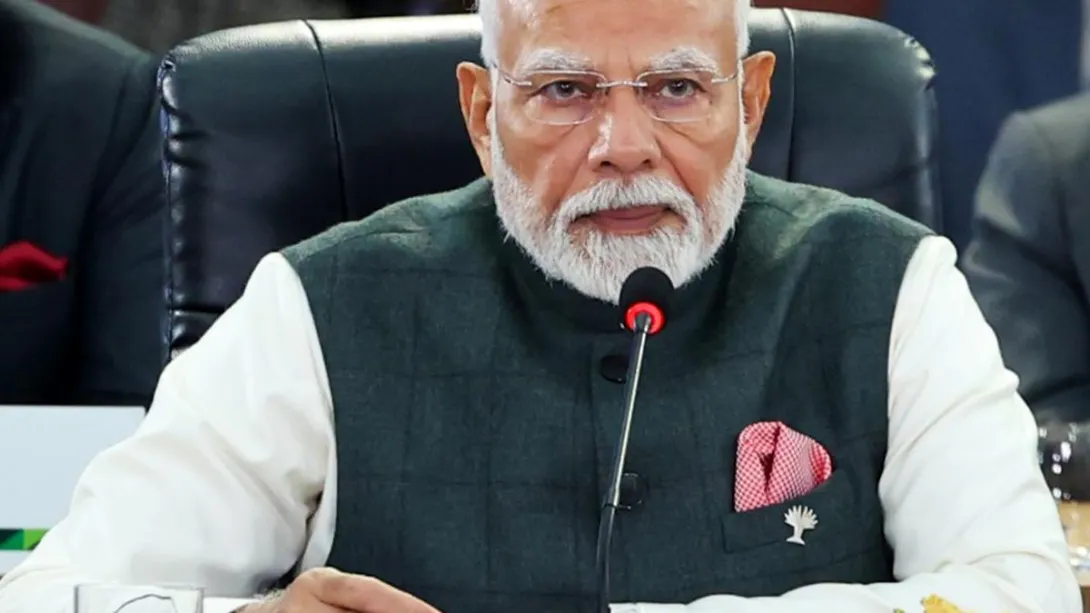
At the BRICS summit in Rio de Janeiro on July 7, 2025, Prime Minister Narendra Modi outlined India’s vision for the grouping’s future as it prepares to assume the BRICS presidency from Brazil. Emphasizing a reimagined BRICS framework centered on Building Resilience and Innovation for Cooperation and Sustainability, Modi signaled a shift towards a people-centric, inclusive approach that prioritizes the concerns of the Global South. His address also covered post-pandemic economic recovery, the ethical governance of artificial intelligence, and the need for collective global action to tackle shared challenges. Modi’s diplomatic engagements at the summit further underscored India’s growing role in shaping emerging multilateral alliances.
India’s Vision to Transform BRICS Leadership
Prime Minister Narendra Modi announced a strategic pivot for BRICS during his intervention at the 2025 summit in Rio de Janeiro, signaling India’s intent to redefine the coalition’s objectives. Assuming the BRICS presidency from Brazil, India proposes to recast the group’s identity with the acronym: Building Resilience and Innovation for Cooperation and Sustainability. This initiative aims to revitalize the bloc’s focus towards actionable solutions that emphasize human welfare and sustainable development, aligning with India’s broader global governance philosophy.
Modi highlighted that just as India’s G-20 presidency prioritized the Global South’s developmental challenges, the BRICS chairmanship would extend similar emphasis on inclusive growth and collaborative progress. The Indian approach prioritizes “people-centricity” and “humanity first,” underscoring a holistic framework to tackle pressing global concerns.
Addressing Post-Pandemic Recovery and Global Challenges
In his address, Modi stressed the imperative of multilateral cooperation to manage the aftermath of the COVID-19 pandemic, underscoring the virus’s indiscriminate impact beyond borders. He articulated that global crises require unified responses, reflecting that “viruses do not come taking visas” and solutions must transcend nationalistic frameworks.
This call to collective action resonates with the broader BRICS agenda, which increasingly seeks to balance economic recovery with health security, climate action, and equitable development. Modi’s message reinforced the necessity of cooperative resilience, recognizing shared vulnerabilities in an interconnected world.
Artificial Intelligence: Balancing Innovation with Governance
A significant portion of Modi’s discourse addressed the evolving role of Artificial Intelligence (AI) within BRICS economies. India’s stance, as outlined by the Prime Minister, embraces AI as an enabler to augment human capabilities while safeguarding ethical values.
Promoting the principle of “AI for All,” India advocates for a dual approach: fostering innovation across sectors while instituting robust governance mechanisms to mitigate associated risks. This balanced framework seeks to ensure that AI technologies remain accessible, equitable, and aligned with human-centric objectives. The emphasis on governance and innovation parity marks India’s thoughtful engagement with emerging technological paradigms.
Diplomatic Engagements and Multilateral Outreach
Beyond his keynote, Modi engaged in multiple bilateral dialogues with key regional leaders, reflecting India’s proactive diplomacy at the summit. Meetings with Cuba’s President Miguel Diaz-Canel Bermudez, Malaysia’s Prime Minister Anwar Ibrahim, Uruguay’s President Yamandu Orsi, and Bolivia’s President Luis Alberto Arce Catacora underscored India’s expanding geopolitical footprint across diverse emerging economies.
These interactions signify India’s commitment to strengthening partnerships beyond BRICS, fostering deeper economic, technological, and strategic collaborations in the Global South.
Conclusion: Charting a New Course for BRICS under Indian Stewardship
India’s impending BRICS presidency marks a pivotal moment for the coalition, with Modi’s vision signaling a transformative agenda that embraces resilience, innovation, and sustainability at its core. By advocating for inclusive development and ethical technological advancement, India seeks to align BRICS with the evolving demands of a multipolar world.
This redefined framework presents opportunities for the bloc to address systemic global challenges collectively, positioning BRICS as a critical player in shaping equitable and sustainable growth for the decades ahead.
Comments