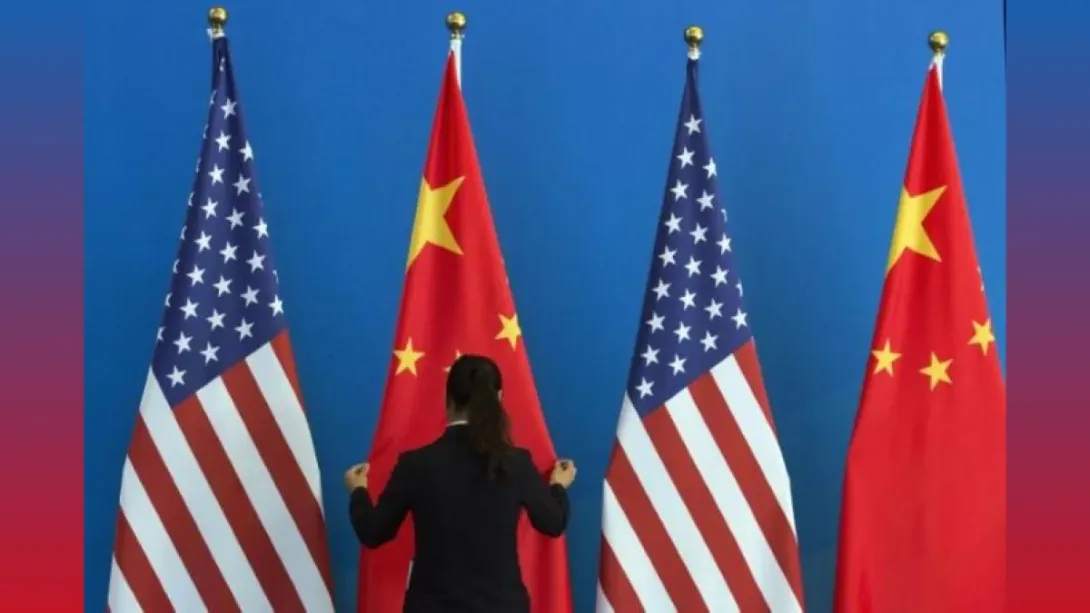
China has responded resolutely to U.S. President Donald Trump’s threat of an extra 10% tariff on nations aligning with “anti‑American” BRICS policies. Chinese Foreign Ministry spokesperson Mao Ning emphasized that BRICS is premised on cooperation and inclusivity, not confrontation or targeting any single country. The statements coincide with Trump’s trade escalations ahead of the August 1 deadline, following a 90‑day tariff pause. Amid this, BRICS leaders condemned unilateral protectionist measures, deepening geopolitical and trade tensions. China’s calibrated remarks reflect a strategic balance—pushing back against coercion while maintaining diplomatic tone on the global stage.
Trump Threatens BRICS Members with Additional Tariffs
President Trump, in a Truth Social post, announced that any country aligning its policies with what he labelled as “anti‑American” BRICS initiatives would face an extra 10% tariff, with “no exceptions.” Trade ministers are set to receive official tariff letters this week, and the higher duties are expected to take effect August 1, the end of a temporary 90‑day suspension. This development follows BRICS’ strong public rebuke of unilateral tariffs during their summit in Rio de Janeiro, where leaders warned such policies distort global trade and disrupt supply chains
China Reasserts BRICS' Cooperative Principles
At a Beijing press briefing, spokesperson Mao Ning responded diplomatically yet staunchly. She affirmed that “BRICS is not a bloc for confrontation nor does it target any country,” characterizing the bloc as “an important platform for cooperation among emerging markets and developing countries” that champions openness, inclusiveness, and win-win collaboration. On Trump's tariff remarks, Mao reiterated that “trade and tariffs have no winners and protectionism leaves nowhere,” and emphasized that using tariffs as coercion serves no one.
BRICS Intensifies Critique of Protectionism
BRICS nations collectively voiced their disapproval of escalating tariffs, citing concerns over global economic instability. Their Rio declaration highlighted the dangers of protectionism, its threat to multilateral systems, and damage to global supply continuity .
Despite absence of top leaders like Xi Jinping and Vladimir Putin, Brazil’s President Lula presided over unity, reinforcing BRICS’ commitment to a multipolar world order.
Geopolitical Stakes and Economic Consequences
Trump’s move illustrates mounting geopolitical friction between the U.S. and the emerging-market coalition. By threatening a tariff increase, the White House seeks to deter BRICS from pursuing alternatives to the U.S. dollar in trade and global finance—a strategic priority for the bloc. Markets reacted sharply: Asian equities eased and industrial metal prices lost momentum amid the rising trade uncertainty. Meanwhile, negotiations with other trade partners—including the EU, UK, and Vietnam—are underway to avert broad tariffs before the August 1 implementation.
Conclusion: Diplomatic Tensions Meet Multilateral Resistance
China’s measured pushback juxtaposes sharply against Trump’s aggressive tariff posture, underscoring the friction at play in today’s global economic order. BRICS stands firm as a cooperative bloc opposing unilateralism and economic coercion. As trade deadlines approach, the United States faces mounting resistance from key global players invoking WTO rules and collective economic interests. The unfolding situation sets the stage for a pivotal chapter in global trade diplomacy.
Comments