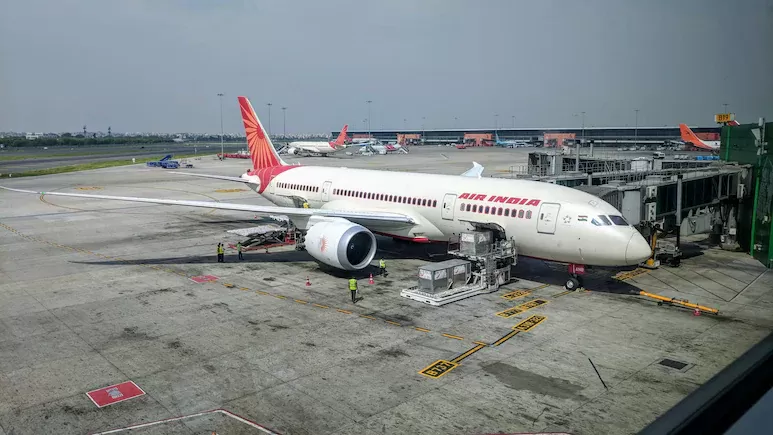
A volcanic eruption near Indonesia’s Bali Island disrupted international air travel on Wednesday, prompting Air India to recall its Delhi–Bali flight mid-air due to safety concerns. The airline confirmed that the aircraft returned safely to Delhi, ensuring all 175 passengers and crew onboard were unharmed. The incident highlights the ongoing vulnerability of global aviation to natural disasters, especially in geologically active zones such as Southeast Asia. Authorities are monitoring the airspace near Bali’s Ngurah Rai International Airport, while airlines reevaluate safety protocols. The eruption, though not immediately life-threatening, has reignited debate over route risk management and aviation contingency planning.
Air India Flight Diverted Mid-Route Due to Volcanic Activity
In a significant disruption to international travel, Air India was compelled to recall one of its international flights on Wednesday following a volcanic eruption in the vicinity of Indonesia’s Bali Island. Flight AI 144, which had departed from Indira Gandhi International Airport in Delhi en route to Bali, was forced to turn back mid-journey due to the ash cloud and aviation risk posed by the volcanic event.
The flight, carrying 175 passengers and crew members, landed safely back in Delhi without any onboard injuries or technical distress, according to an official statement from Air India.
Operational Impact and Passenger Safety
Air India confirmed that the decision to divert the flight was made purely out of precaution, citing the eruption's potential impact on visibility and aircraft engine performance. Volcanic ash clouds are particularly hazardous to aviation, as they can damage turbine engines and interfere with avionics, even when located hundreds of kilometers from the eruption site.
All passengers were promptly deboarded upon return, and the airline stated it is working to accommodate affected travelers on alternate schedules once the airspace near Bali's Ngurah Rai International Airport is deemed safe.
Volcanic Activity and Airspace Risk in Southeast Asia
Indonesia is part of the Pacific Ring of Fire, a region known for intense seismic and volcanic activity. The volcano in question, located near Bali, emitted significant ash plumes into the upper atmosphere, compelling Indonesian aviation authorities to issue immediate alerts to airlines operating in the region.
The eruption, while not catastrophic on the ground, triggered enough concern to temporarily disrupt aviation routes and initiate standard International Civil Aviation Organization (ICAO) hazard protocols.
According to meteorological sources, prevailing wind patterns carried ash clouds across standard flight corridors, further complicating navigation and prompting caution among carriers operating in the vicinity.
Airline Response and Contingency Planning
Air India’s handling of the situation, including the mid-air U-turn and swift communication with passengers, drew praise for prioritizing safety over scheduling. However, the disruption has raised broader questions about contingency planning in long-haul international routes, especially in regions known for sudden environmental volatility.
Aviation experts suggest that carriers operating in geologically active zones need more robust flight path alternates and real-time monitoring systems to avoid such last-minute operational halts.
In a statement, Air India emphasized its commitment to passenger safety and pledged to resume services once authorities in Indonesia clear the affected airspace. The airline also said it would provide full support, including rebooking and accommodation, for affected passengers.
Implications for Tourism and Regional Travel
The incident also comes at a time when Southeast Asia, particularly Bali, is witnessing a surge in tourism following the post-pandemic travel rebound. Such disruptions can have a cascading impact on hospitality revenues, event planning, and traveler sentiment—especially when last-minute cancellations affect international tourists.
While no long-term flight suspensions have been announced, airlines are closely watching seismic activity in the region. Other carriers flying to and from Bali have reportedly adjusted their flight schedules or rerouted aircraft to avoid the high-risk zone.
Conclusion: Navigating Natural Risks in Global Aviation
This latest incident underscores the persistent challenges airlines face in operating across natural disaster-prone regions. While the eruption did not lead to any direct harm, its ripple effects demonstrate the fragility of global connectivity when faced with nature’s unpredictability.
Air India’s swift and precautionary decision reflects the growing emphasis within the aviation industry on real-time risk assessment and passenger safety over operational deadlines. With weather and geological hazards unlikely to diminish in frequency, the industry must continue refining its crisis response frameworks to ensure that safety remains non-negotiable—even at 35,000 feet.
Comments