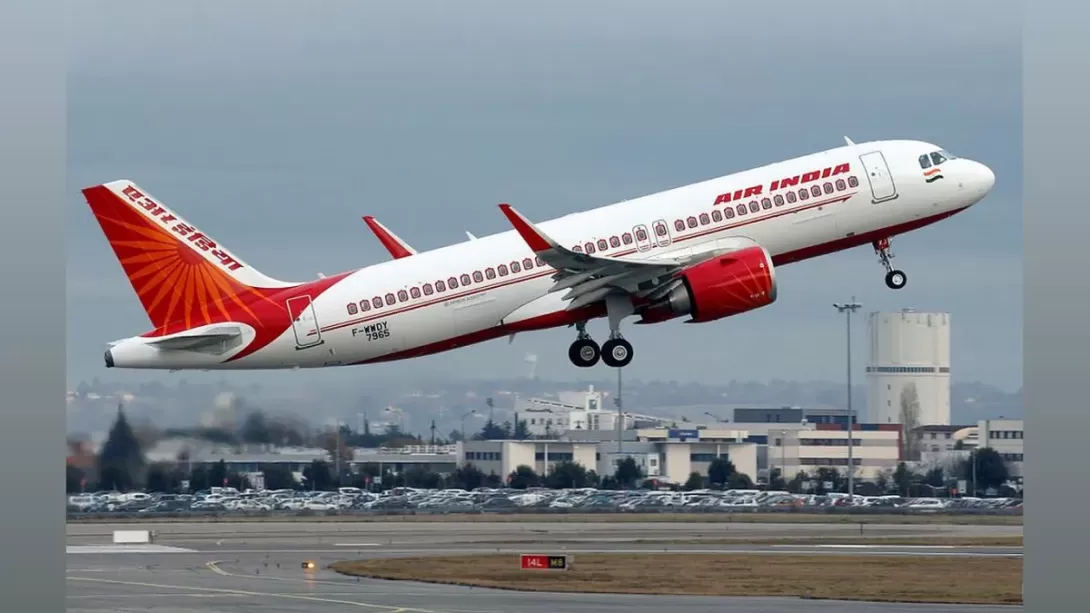
In the aftermath of the devastating crash of flight AI 171 near Ahmedabad, Air India and its parent company, the Tata Group, have pledged comprehensive support for victims and their families. With 241 lives lost, the airline has committed to providing Rs. 1 crore in compensation to each victim's family and covering medical expenses for survivors. Air India has mobilized over 100 caregivers and 40 technical staff to support rescue and recovery efforts, while establishing assistance centers across major cities. The leadership has promised full transparency in the ongoing investigations and has reassured employees of continued emotional and operational support during this crisis.
A National Tragedy and Corporate Responsibility
The crash of Air India flight AI 171 near Ahmedabad has marked one of the darkest chapters in India’s civil aviation history. With 241 of the 242 passengers and crew members confirmed dead, the incident has left a profound void for families, communities, and the nation at large.
In response, Air India’s managing director and CEO, Campbell Wilson, issued a deeply emotional statement, pledging comprehensive support for all those affected. “All of us at Air India are devastated by this loss and grieve for those affected near families and their loved ones,” he said in a public address. The airline has swiftly deployed personnel, initiated ground-level operations, and put in place systems of care for grieving families and traumatized survivors.
Financial Compensation and Medical Support
Demonstrating swift corporate responsibility, the Tata Group, which owns Air India, has announced a compensation package of Rs. 1 crore (approximately £85,000) to the next of kin of each deceased passenger. In addition, the conglomerate has committed to covering the full medical costs of those injured in the crash—many of whom include medical students whose well-being remains a top concern for the airline.
This direct monetary support is not merely symbolic—it reflects a structured, humane response by one of India’s most respected corporate houses. Such proactive compensation, without waiting for legal or bureaucratic processing, underscores the gravity with which Tata Group has approached the tragedy.
Emergency Assistance Centers and On-ground Support
Air India has established emergency response and assistance centers in Ahmedabad, Mumbai, Delhi, and London to provide logistical and emotional support to the families of victims. These centers are facilitating travel arrangements for relatives to reach Ahmedabad, ensuring accommodation, medical help, and grief counseling upon arrival.
Over 100 dedicated caregivers and 40 technical staff have been deployed to the crash site. According to Wilson, “The technical team is helping at the site, and caregivers are providing support to families.” More personnel are expected to arrive in the coming days, highlighting a sustained, rather than a short-lived, commitment to recovery and support operations.
Transparent Investigations and Institutional Cooperation
Campbell Wilson also reiterated Air India’s pledge to cooperate fully with the authorities. “We know that the investigations will take time, but we will be fully transparent and support the process for as long as it takes,” he stated after visiting the crash site. His meetings with government stakeholders further reinforce the airline’s readiness to uphold transparency, accountability, and institutional trust.
Such cooperative stances are crucial—not just for determining the root causes of the crash, but for restoring faith in public aviation safety at large.
Supporting the Air India Family
Beyond the public tragedy lies a deeply personal loss for the airline’s workforce. In a message directed to Air India employees, Wilson acknowledged the emotional toll of the incident, especially for those who lost colleagues and friends.
“This is a very sad time for the airline... We also mourn the loss of dear colleagues, who many of us have trained with, flown with, or crossed paths with,” he said. To help staff cope, Air India is offering counseling services, support groups, and access to leadership presence at key crew bases over the coming weeks.
A Delicate Balance: Grief and Operational Continuity
As Air India grapples with the tragedy, it must also shoulder the immense responsibility of ongoing operations. Wilson emphasized the need to continue serving passengers with professionalism and safety, stating, “We must do so professionally and above all safely, even as we grieve.”
This dual responsibility—of mourning and moving forward—demands resilience and integrity from the airline’s workforce. Wilson expressed confidence in the spirit and resolve of his team, calling on them to uphold the trust reposed in Air India by the flying public.
Conclusion: Leadership in Times of Loss
In an era where corporations are often scrutinized for tone-deaf or delayed crisis responses, Air India and the Tata Group have emerged as a model of empathy and efficiency. Their swift deployment of resources, transparent communication, and genuine care for both victims and employees reflect a culture of responsible leadership.
As investigations unfold and families begin to navigate life after loss, Air India’s response will likely serve as a benchmark for corporate behavior in times of crisis. While the pain of the Ahmedabad tragedy cannot be undone, the airline’s actions offer some measure of solace—and a path forward—for all those affected.
Comments