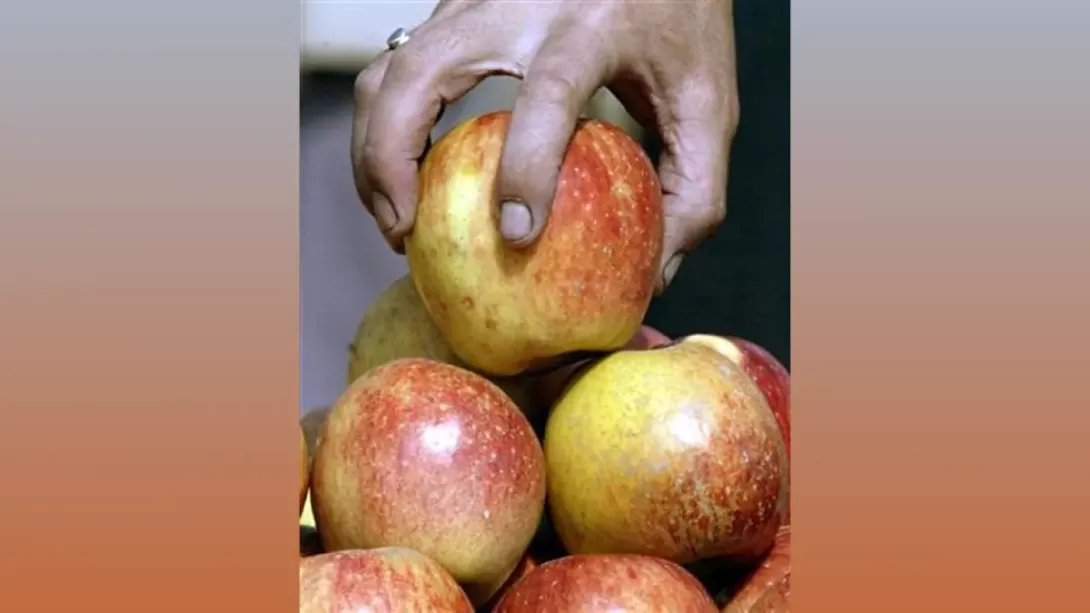
Amid escalating geopolitical frictions, an influential fruit growers’ association from Himachal Pradesh has called for a complete ban on apple imports from Turkiye, citing Ankara’s recent political alignment with Pakistan. The Himachal Fruit Growers Samyukt Manch submitted memoranda to India’s top leadership, urging swift action against what it describes as an economic and national security concern. The group has also demanded a steep hike in import duties on apples from all foreign countries, including the United States, arguing such protectionist measures would secure Indian growers’ livelihoods while reinforcing India’s stance on foreign policy and national interest.
Turkiye’s Political Position Sparks Agricultural Backlash
The Himachal Fruit Growers Samyukt Manch, a collective representing fruit producers across northern India, has made a strong appeal to the central government, seeking an immediate embargo on all apple imports from Turkiye. The appeal follows Turkiye’s vocal support for Pakistan and its condemnation of India’s recent military actions against cross-border terrorism.
In separate memoranda addressed to the President and the Prime Minister—delivered via Himachal Pradesh Governor Shiv Pratap Shukla—the growers framed their request as a matter of national dignity and economic strategy. Citing the adage "the friend of an enemy is also an enemy," the Manch called for a complete termination of trade ties with Turkiye, particularly in the agricultural sector.
Rs. 1,000 Crore Import Market Under Scrutiny
Turkiye is currently the largest exporter of apples to India, with annual imports valued between Rs. 800 crore and Rs. 1,000 crore. This trade volume has sparked concern among domestic producers, who argue that continued imports from a politically adversarial nation undermine both local industry and India’s strategic posture.
Harish Chauhan, president of the Samyukt Manch, highlighted that Turkish drones have allegedly been supplied to Pakistan, posing a direct threat to India’s national security. In this context, he called not only for a ban on agricultural imports but also a broader freeze on bilateral trade and tourism.
Call for Nationwide Economic Boycott
Chauhan urged Indian citizens to reject Turkish apples and encouraged businesses across sectors to reconsider their commercial engagement with Turkiye. He noted that marble traders in Rajasthan have already decided to halt imports from the country, and that travel agents are reporting a surge in cancellations of tourist bookings to Turkish destinations.
These actions, while symbolic, are aimed at reinforcing national solidarity and amplifying the message to policymakers that economic diplomacy must reflect national interests.
Demand for Protectionist Tariff Measures
In addition to advocating for a Turkish import ban, the growers’ body is seeking a substantial increase in import duties on apples from other countries. Currently, apples imported from the United States are subject to a 50% duty—a figure the Manch wants doubled to 100%.
Such measures, they argue, would shield India’s horticulture sector from external shocks, ensure price stability for domestic growers, and promote self-reliance in food production—especially in key apple-producing regions like Himachal Pradesh, Uttarakhand, and Jammu and Kashmir.
Political Undercurrents and Economic Nationalism
The growers' appeal comes at a time when geopolitical alliances are under close scrutiny, and economic nationalism is becoming an increasingly prominent theme in policy discussions. While the central government has not yet responded to the demand, the issue adds to the larger debate around how foreign policy intersects with trade decisions and local industry protection.
In today’s interconnected world, trade decisions are no longer purely economic—they carry strategic implications. Should the government heed the growers’ call, it may set a precedent for how India leverages its trade partnerships in response to international posturing.
Comments