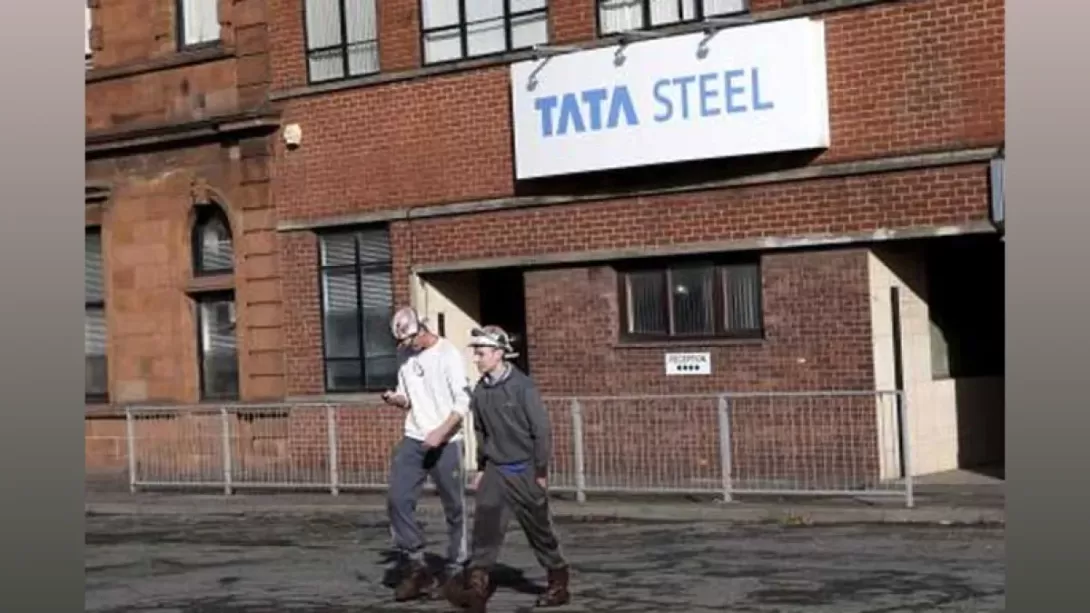
Tata Steel is embarking on a capital expenditure program of Rs. 15,000 crore for FY2025-26, signaling a bold commitment to both capacity expansion and sustainable steelmaking. The lion’s share of this investment—approximately 80 percent—is allocated for domestic operations, with the rest directed toward strategic projects in the United Kingdom and the Netherlands. From modernizing blast furnace infrastructure in India to pioneering low-emission electric arc furnace (EAF) technology in Europe, Tata Steel’s roadmap underlines its resolve to remain competitive, environmentally responsible, and financially resilient. Despite headwinds, the company delivered a substantial profit rebound in Q4, reinforcing confidence in its long-term strategy.
Capital Deployment Strategy: India Leads the Charge
At the core of Tata Steel’s financial commitment lies a robust Rs. 11,000 crore earmarked for India, where the company is intensifying efforts to strengthen production capabilities. Key among these projects is the expansion of a five-million-tonne-per-annum (MTPA) blast furnace at Kalinganagar, a site increasingly pivotal to Tata’s domestic manufacturing strength. Additionally, construction of a new electric arc furnace in Ludhiana aligns with global decarbonization trends and India’s growing focus on green steel production.
This heavy domestic investment underscores the company's confidence in India's steel demand trajectory and its strategic importance in Tata’s global footprint.
UK Transition: A New Era at Port Talbot
In the United Kingdom, Tata Steel has set aside Rs. 1,900 crore to pivot toward sustainable production at its Port Talbot facility in South Wales. The site, which currently hosts a 3 MTPA steelmaking plant, will see a transformation with the planned installation of an electric arc furnace—a move designed to slash emissions and increase the use of locally available scrap.
The company has secured planning permission and intends to break ground in July 2025. While this transition raises concerns among the local workforce, Tata’s leadership is reportedly in ongoing dialogue with employee representatives to manage the change in a collaborative and responsible manner.
Netherlands Operations: Efficiency Overhaul and Decarbonization Talks
At its IJmuiden facility in the Netherlands, which produced approximately 6.75 MTPA of liquid steel in FY2024-25, Tata Steel continues to execute a comprehensive operational transformation. Efforts are centered on enhancing production efficiency, reducing fixed costs, and fine-tuning product mixes to safeguard margins.
Crucially, the company remains engaged in complex, multi-stakeholder discussions with the Dutch government and local regulatory authorities over an ambitious environmental and decarbonization project. While negotiations remain ongoing, Tata has reiterated its intent to align the facility’s operations with Europe’s stringent climate directives.
Financial Snapshot: Profit Surge Despite Revenue Decline
Despite a modest 3.7 percent decline in consolidated income for the quarter ended March 2025, Tata Steel posted a more-than-twofold jump in net profit, reaching Rs. 1,200.88 crore. This resilience reflects improved cost management and operational efficiencies across key markets.
Breaking down regional performance:
- India: Revenues stood at Rs. 34,661 crore with EBITDA at Rs. 7,418 crore.
- United Kingdom: Revenues totaled £551 million, though operations recorded an EBITDA loss of £80 million.
- Netherlands: Generated €624 million in revenue and a positive EBITDA of €14 million.
These figures illustrate the relatively stronger performance of Indian operations while highlighting the financial pressures still affecting European sites amid their transitional phases.
Strategic Outlook: Balancing Growth with Green Goals
Tata Steel’s Rs. 15,000 crore capex plan marks a strategic balancing act—expanding capacity while decarbonizing legacy operations. The investments in electric arc furnaces in both the UK and India signal a deliberate shift toward cleaner steel production methods. Concurrently, the IJmuiden transformation reflects the company's alignment with evolving global regulatory and environmental expectations.
The company’s ability to generate profit even amid revenue headwinds suggests that its capital discipline, cost controls, and long-term planning are beginning to pay dividends. However, successful execution of its international transition plans will be crucial in determining Tata Steel’s future competitiveness on the global stage.
Conclusion: A Steel Giant in Transformation
Tata Steel stands at a critical inflection point—harnessing its financial strength and operational reach to recalibrate for a low-carbon future. Its substantial investments across three geographies signal not only ambition but also accountability in an era where environmental stewardship is no longer optional. With strong leadership, disciplined execution, and continued stakeholder engagement, Tata Steel is poised to shape the next chapter of global steelmaking—one that is cleaner, leaner, and more resilient than ever before.
Comments