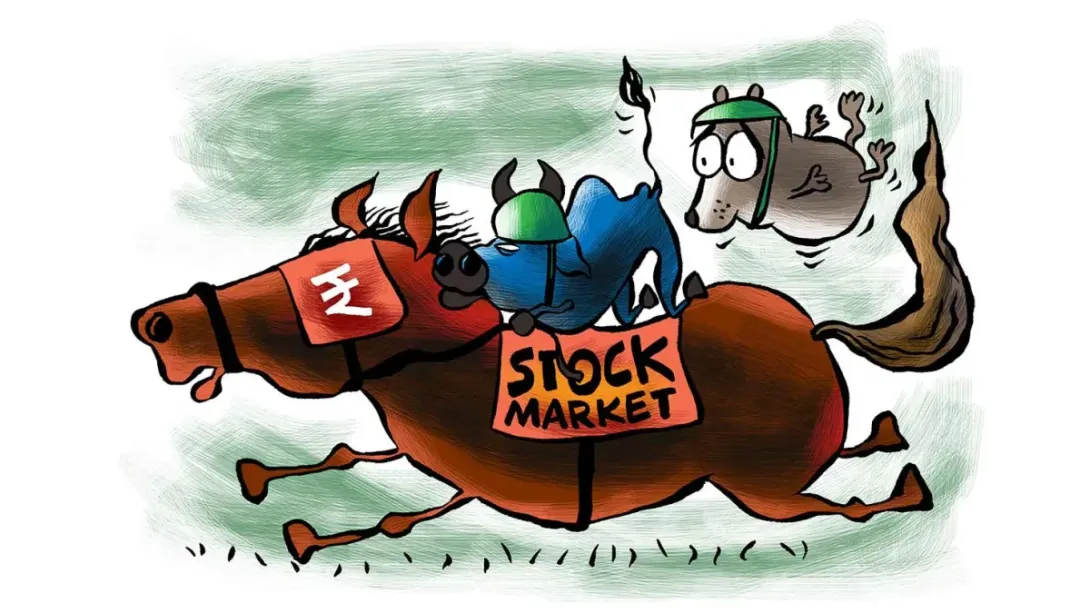
Equity markets are entering a phase where macroeconomic indicators and global developments are likely to exert a stronger influence on near-term direction than company-specific triggers. Investors are closely tracking inflation data, interest-rate expectations, currency movements, and geopolitical signals as they recalibrate risk appetite. Domestic economic releases, combined with cues from major global economies, are expected to shape sentiment across asset classes. Market participants say this environment favors disciplined positioning and selective stock picking, as volatility driven by data surprises and global policy signals becomes a defining feature of the trading landscape.
Macro Data Moves to the Forefront
After months of earnings-led momentum, attention is shifting decisively toward macroeconomic data. Inflation readings, growth indicators, and fiscal trends are increasingly dictating market tone. Any deviation from expectations—particularly on price stability or growth resilience—has the potential to trigger sharp market reactions.
Analysts note that investors are becoming less tolerant of ambiguity, placing greater weight on hard data to assess the sustainability of economic expansion.
Central Banks and the Interest-Rate Narrative
Monetary policy remains a critical variable. Signals from the Reserve Bank of India, alongside commentary from the Federal Reserve, are being parsed for clues on the future path of interest rates. Even subtle shifts in tone can influence capital flows, bond yields, and equity valuations.
Higher-for-longer rate expectations tend to compress valuations, while signs of policy easing often revive appetite for risk assets.
Global Cues and Cross-Border Sentiment
International developments are adding another layer of complexity. Movements in global commodity prices, fluctuations in the U.S. dollar, and geopolitical developments continue to spill over into domestic markets. Emerging markets, in particular, remain sensitive to changes in global liquidity conditions and risk perception.
Market strategists say global alignment—or divergence—among major economies could determine whether volatility remains contained or intensifies.
Sectoral Rotation and Investor Strategy
In this environment, broad-based rallies may give way to sectoral rotation. Rate-sensitive segments, export-oriented industries, and defensive plays are likely to respond differently to evolving macro cues. Institutional investors are increasingly favoring balance-sheet strength and earnings visibility over speculative growth narratives.
This shift underscores a more cautious, data-driven approach to portfolio construction.
A Data-Dependent Road Ahead
Looking ahead, market direction is expected to remain fluid, shaped by a steady flow of economic releases and global policy signals. For investors, patience and selectivity may prove more valuable than aggressive positioning.
As macro data and global cues take the driver’s seat, markets appear set for a phase where informed interpretation—rather than momentum alone—will define investment outcomes.
Comments