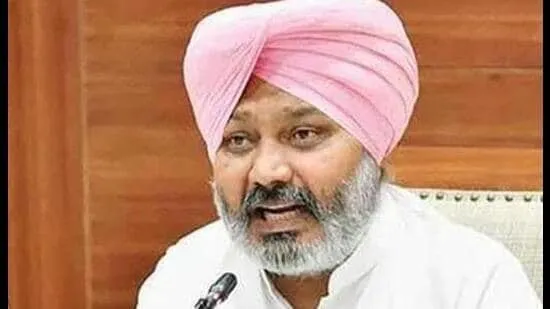
Punjab has reported a remarkable 16% increase in Goods and Services Tax (GST) collections, according to Finance Minister Harpal Singh Cheema. The rise, attributed to strengthened compliance, digitalization of tax processes, and expanding business activity across sectors, underscores the state’s improving economic environment. Minister Cheema emphasized that higher collections will enhance fiscal capacity, enabling greater investment in infrastructure, social welfare, and public services. Experts view this growth as an indicator of a resilient business ecosystem in Punjab, reflecting robust consumption, industrial output, and entrepreneurial momentum, positioning the state for sustainable economic development and improved governance in revenue mobilization.
Strong Revenue Performance
The 16% uptick in GST revenue reflects a combination of proactive policy measures and operational efficiency within Punjab’s tax administration. By streamlining filing processes, improving taxpayer engagement, and leveraging technology, the state has successfully widened its compliance base.
Analysts note that this growth demonstrates not only increased business activity but also a more transparent and accountable revenue collection framework. Higher GST inflows enhance the state government’s fiscal space, allowing for more ambitious developmental initiatives while maintaining macroeconomic stability.
Driving Economic Growth
Finance Minister Harpal Singh Cheema highlighted that the surge in GST collections signals robust economic momentum across key sectors, including manufacturing, retail, and services. This growth suggests rising consumer demand and investment activity, reflecting the confidence of both businesses and households in Punjab’s economic trajectory.
Moreover, the increase in tax revenues provides critical resources for the state to fund infrastructure projects, social programs, and initiatives aimed at improving the ease of doing business, thereby fostering a conducive environment for further economic expansion.
Implications for Fiscal Planning
The boost in GST collections has strategic implications for fiscal planning and governance. With enhanced revenue inflows, Punjab can reduce reliance on external borrowing, invest in capital projects, and strengthen social welfare schemes. This fiscal robustness also positions the state to respond effectively to future economic challenges, including inflationary pressures and global market volatility.
Experts suggest that sustained growth in tax collections, coupled with prudent fiscal management, can transform Punjab into a model for revenue mobilization, ensuring long-term economic resilience and inclusive development.
Conclusion
Punjab’s 16% rise in GST collections is a clear signal of the state’s strengthening economic fundamentals and administrative efficiency. By translating higher revenue into strategic investments and citizen-focused programs, the government is poised to reinforce both fiscal stability and economic growth, reinforcing confidence among businesses, investors, and the public alike.
Comments