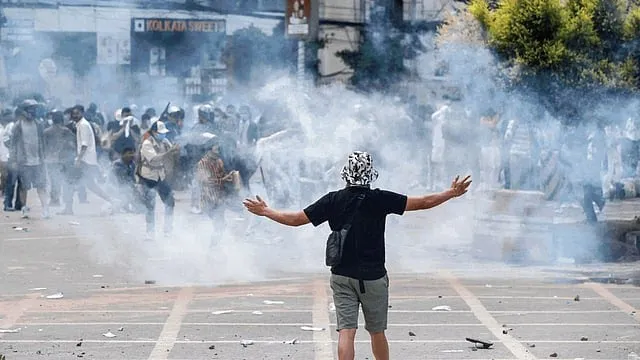
Nepal is grappling with a major political and social crisis following violent clashes between police and protesters opposing a government-imposed social media ban. At least 17 youths were killed in the unrest, sparking nationwide outrage and prompting the resignation of the Home Minister. The ban, intended to curb misinformation, has instead ignited widespread dissent among the country’s youth and digital communities. The incident underscores the fragile balance between governance, freedom of expression, and civil liberties in Nepal, highlighting the risks associated with abrupt restrictions on digital platforms in a hyper-connected society.
The Incident and Casualties
The protests erupted in response to the government’s sudden decision to restrict access to major social media platforms. Demonstrators, primarily young citizens, took to the streets demanding the immediate lifting of the ban. Security forces responded with live ammunition, resulting in the deaths of 17 individuals and injuries to dozens more. The scale of casualties has intensified public outrage and drawn attention from international human rights organizations.
Political Fallout
In the aftermath, Nepal’s Home Minister tendered resignation, acknowledging the escalation of violence under his tenure. The move reflects the political pressure on government officials to account for security lapses and the handling of civil unrest. Opposition parties and civil society groups have criticized the administration for overreach and lack of dialogue with citizens prior to implementing the ban.
Social Media Ban and Public Reaction
The government justified the ban as a measure to curb misinformation, hate speech, and social unrest. However, the abrupt nature of the restriction and its broad scope triggered widespread protests, highlighting citizens’ dependence on social media for communication, news, and social engagement. The incident demonstrates the challenges governments face in regulating digital platforms while respecting fundamental freedoms in democratic societies.
Implications for Governance and Civil Liberties
The deadly crackdown raises questions about proportionality in law enforcement and the protection of civil liberties. It also underscores the tension between national security measures and the right to free expression. The Nepalese government now faces the dual challenge of restoring public trust while implementing policies that balance digital governance with citizen rights.
Outlook
As Nepal navigates this crisis, the resignation of the Home Minister may signal a willingness to address accountability. However, long-term solutions will require dialogue with citizens, careful regulation of digital platforms, and reforms in law enforcement strategies to prevent similar tragedies. The events mark a critical juncture for Nepalese governance, civil liberties, and the nation’s digital future.
Comments