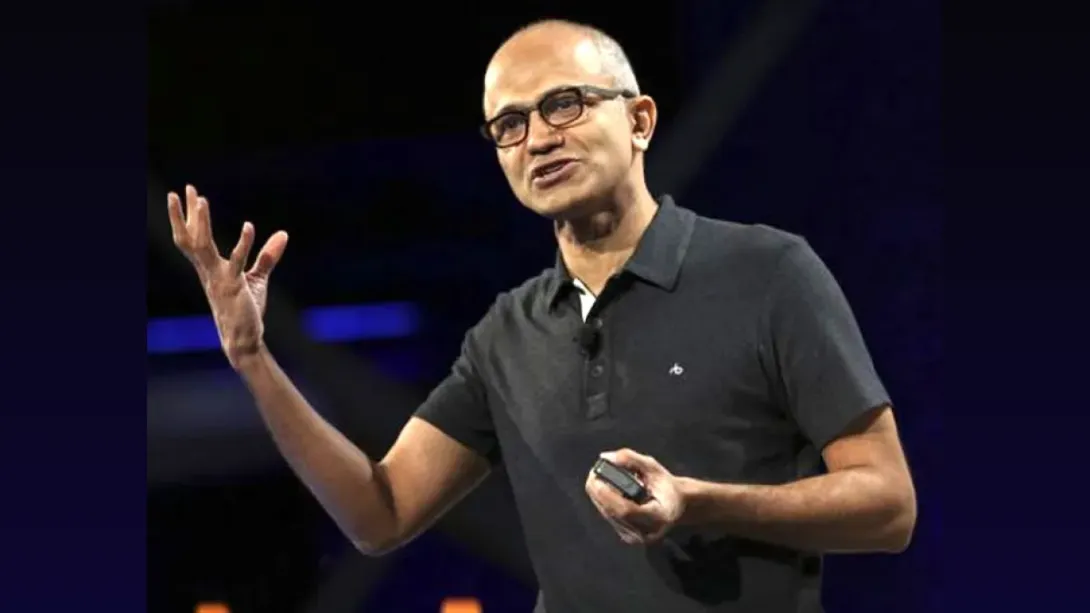
Microsoft India’s executive, Chandok, has reiterated that artificial intelligence is poised to augment human productivity rather than eliminate employment opportunities. Speaking at a technology forum, Chandok emphasized that AI applications are designed to handle repetitive and time-intensive tasks, enabling employees to focus on higher-value activities requiring creativity and strategic thinking. The announcement comes amid growing public and industry concern about AI-driven automation disrupting traditional work structures. Analysts note that Microsoft’s approach aligns with a broader corporate trend toward responsible AI adoption, aiming to balance technological innovation with workforce stability while fostering upskilling and reskilling initiatives.
AI as a Productivity Enhancer
Chandok stressed that AI technologies are primarily intended to complement human labor. “Our goal is to empower employees to achieve more by automating mundane tasks, not to replace them,” Chandok said. He cited examples across Microsoft’s suite of tools where AI assists in data analysis, document drafting, and workflow optimization, streamlining operations without reducing headcount.
Addressing Workforce Concerns
Amid widespread debate on AI-induced job displacement, Microsoft India is investing in employee reskilling and professional development programs. Chandok highlighted initiatives aimed at equipping the workforce with skills needed to thrive in an AI-integrated environment, including cloud computing, AI ethics, and data analytics.
Industry observers note that proactive workforce adaptation is becoming crucial as companies integrate AI into core business processes.
Corporate Perspective and Strategic Vision
Microsoft views AI as a strategic lever to maintain competitive advantage while fostering sustainable employment. Chandok indicated that collaborative human-AI models can accelerate decision-making, enhance customer engagement, and drive innovation, particularly in sectors such as healthcare, finance, and education.
The executive’s comments reinforce Microsoft’s commitment to ethical AI adoption, prioritizing transparency, accountability, and equitable impact on employees.
Future Outlook
Experts suggest that Microsoft’s stance reflects a larger industry trend: embracing AI as a tool to augment rather than supplant human labor. Companies integrating AI responsibly are expected to see productivity gains, innovation acceleration, and long-term workforce stability.
Chandok concluded that careful implementation, combined with investment in employee upskilling, can ensure that AI becomes a catalyst for growth and professional development, rather than a source of anxiety.
Comments