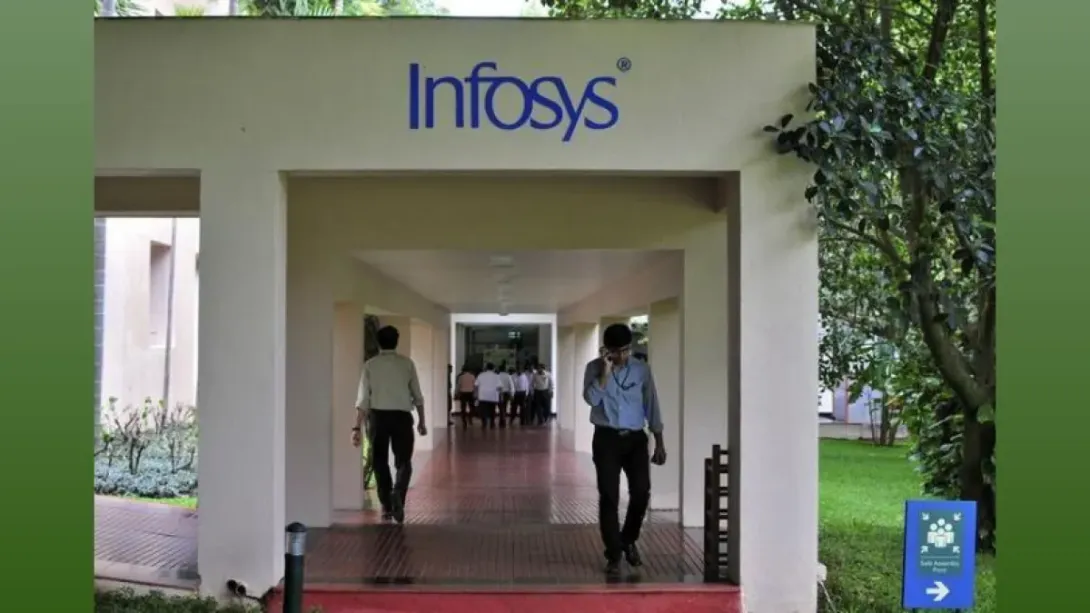
Infosys, one of India’s largest IT services firms, is set to deliberate a share buyback proposal during its board meeting scheduled for September 11. The move, if approved, would represent the company’s continued focus on rewarding shareholders while optimizing its capital structure. Share buybacks have become a preferred route for large corporations to return surplus cash to investors, particularly in the technology sector where robust cash flows and strong balance sheets provide such flexibility. The development is expected to attract considerable attention from analysts, investors, and market participants anticipating its potential impact on shareholder value.
Shareholder Value and Market Dynamics
Infosys has a track record of returning capital to shareholders through dividends and periodic buybacks. The upcoming proposal signals the management’s confidence in the company’s financial health and long-term growth prospects. Buybacks typically enhance earnings per share (EPS) by reducing the number of outstanding shares, thereby creating potential for stronger stock performance. For investors, such corporate actions not only provide immediate value but also indicate the company’s commitment to capital discipline.
Financial Context Behind the Proposal
With a strong balance sheet and consistent cash generation from its global operations, Infosys is well-positioned to execute a buyback without straining its liquidity. The IT giant has historically maintained a conservative financial strategy, ensuring adequate reserves for business expansion and innovation while simultaneously rewarding shareholders. A potential buyback could also be strategically timed to bolster investor confidence amid global macroeconomic uncertainties affecting technology demand.
Broader Industry Trends
The move aligns with a broader trend within India’s IT services sector, where major players have increasingly relied on buybacks to distribute cash. Given the sector’s robust profit margins and steady contract pipelines, buybacks are viewed as both a shareholder-friendly measure and a tool to manage excess liquidity. Infosys’s decision, therefore, reflects not just company-specific strength but also an industry-wide practice of balancing reinvestment with shareholder returns.
Potential Market Implications
The announcement of a buyback proposal often has a psychological impact on stock markets, as it is interpreted as a sign of management’s optimism about the company’s intrinsic value. For Infosys, approval of the plan could trigger short-term positive sentiment in its share price, even as analysts debate the long-term benefits compared to alternative uses of capital such as acquisitions or R&D investments.
Outlook
As Infosys prepares for its September 11 board meeting, all eyes will be on the specifics of the proposed buyback, including the size, pricing strategy, and execution timeline. Regardless of the outcome, the discussion underscores the firm’s resilience, prudent capital allocation, and continued alignment with shareholder interests. In an evolving global IT landscape, such moves are not just financial strategies but also signals of confidence in sustainable growth.
Comments