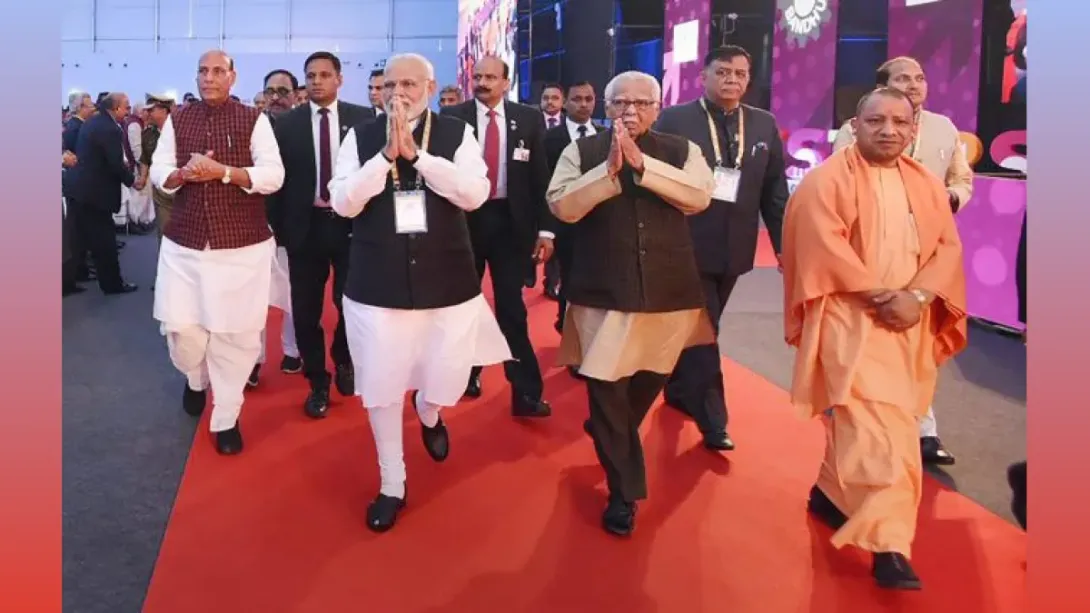
Union Defence Minister Rajnath Singh recently emphasized the ongoing industrial transformation in Uttar Pradesh, describing it as a pivotal “Industrial Revolution” for the state. With enhanced infrastructure, policy reforms, and investment-friendly initiatives, UP aims to attract domestic and foreign investors while creating employment opportunities. Singh highlighted sectors such as manufacturing, electronics, and renewable energy as key growth drivers, aligning with India’s broader industrialization objectives. Analysts note that the focus on industrial clusters, streamlined approvals, and skill development will accelerate economic growth, strengthen supply chains, and boost competitiveness. The state’s strategy reflects a comprehensive vision for sustainable industrial expansion and socio-economic development.
Policy Reforms Driving Industrial Growth
Rajnath Singh underscored the pro-business reforms implemented by the UP government, including simplified regulatory procedures, single-window clearances, and tax incentives for manufacturing units. These measures aim to reduce bureaucratic hurdles, attract investment, and enhance the ease of doing business in the state.
Sector-specific incentives for electronics manufacturing, renewable energy projects, and MSMEs are expected to catalyze industrial expansion while fostering innovation and technology adoption.
Infrastructure Development and Industrial Clusters
Infrastructure development is central to UP’s industrial strategy. Investment in expressways, logistics hubs, power supply, and industrial corridors has improved connectivity and operational efficiency for manufacturing enterprises.
The state is actively developing industrial clusters and special economic zones (SEZs) to concentrate resources, facilitate skill development, and promote synergy among enterprises. These clusters provide shared infrastructure, streamline supply chains, and enhance competitiveness for both domestic and export markets.
Employment Generation and Skill Development
The industrial expansion strategy focuses on job creation and workforce upskilling. Training programs, technical education initiatives, and partnerships with private players aim to equip workers with industry-relevant skills.
Analysts observe that sustained employment growth in manufacturing, logistics, and allied sectors will stimulate rural and urban economies, increase household incomes, and reduce regional disparities.
Investment Opportunities and Sectoral Growth
UP’s industrial revolution emphasizes diversified investment opportunities, particularly in electronics, renewable energy, automotive components, and food processing. Policy support, land acquisition facilitation, and financial incentives make the state attractive for large-scale domestic and foreign investments.
The government’s proactive engagement with investors, including roadshows and promotional campaigns, reinforces confidence and accelerates project implementation timelines.
Strategic Outlook and Economic Implications
Experts highlight that Uttar Pradesh’s industrial expansion could significantly contribute to India’s manufacturing output, export growth, and employment generation. By fostering an investor-friendly environment, building infrastructure, and developing human capital, the state is positioning itself as a key industrial hub in northern India.
Long-term benefits include increased GDP contribution, enhanced competitiveness of regional industries, and integration into national and global value chains.
Conclusion: A Transformative Industrial Vision
Rajnath Singh’s remarks on the UP Industrial Revolution reflect a strategic vision for sustainable growth, industrial diversification, and socio-economic development. By combining policy reforms, infrastructure investment, and skill development, Uttar Pradesh is creating an ecosystem conducive to innovation, investment, and inclusive growth.
The state’s industrial trajectory not only strengthens its own economic base but also supports India’s broader objectives of manufacturing excellence, job creation, and global competitiveness.
Comments