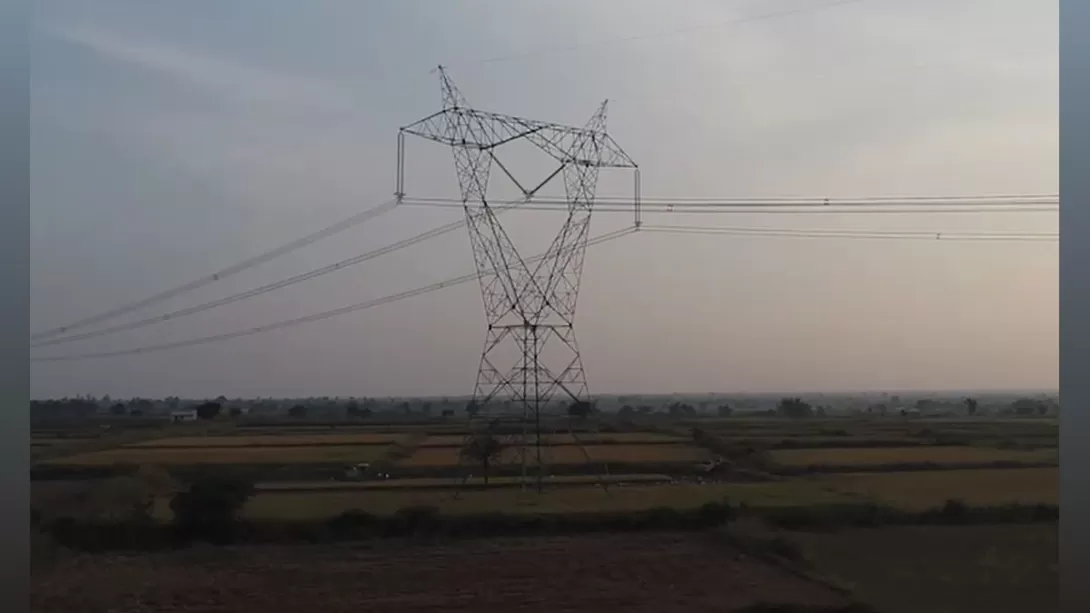
In a decisive stride toward long-term energy sustainability, India’s Central Electricity Authority (CEA) has fast-tracked approval for six hydro-pumped storage projects (PSPs), totaling approximately 7.5 GW of capacity, in the fiscal year 2024–25. This momentum is part of a broader plan to approve at least 13 projects totaling 22 GW in 2025–26. These developments signal a significant boost to India’s energy storage infrastructure, supporting grid stability and the country’s aggressive renewable energy ambitions. With private sector participation rising and 200 GW+ of PSP potential identified, India is poised to transform its power landscape while offering a lucrative opportunity for long-horizon infrastructure investors.
Accelerating Energy Security: CEA’s Strategic Push
The Central Electricity Authority, operating under India’s Ministry of Power, has cleared six hydro-pumped storage projects at unprecedented speed in FY2024–25. This aggressive clearance pace underscores the strategic importance of PSPs in stabilizing renewable-heavy grids. The approved projects span several states: Upper Indravati in Odisha (600 MW), Sharavathy in Karnataka (2,000 MW), Bhivpuri (1,000 MW) and Bhavali (1,500 MW) in Maharashtra, MP-30 in Madhya Pradesh (1,920 MW), and Chitravathi in Andhra Pradesh (500 MW).
This milestone stems from collaborative efforts between developers and regulatory bodies including the Central Water Commission (CWC), Geological Survey of India (GSI), and the Central Soil and Materials Research Station (CSMRS). The use of the Jalvi Store portal for digital DPR submissions has increased transparency and efficiency in the appraisal process, helping move India closer to its renewable energy targets.
Hydro PSPs: The Backbone of Renewable Grid Integration
Hydro-pumped storage systems serve as the grid’s most reliable energy buffers. These systems use surplus electricity during off-peak hours to pump water to elevated reservoirs. During peak demand or when renewable energy generation dips—especially after sunset—this stored water is released to generate electricity. Such systems offer scalable, flexible, and dispatchable power essential for maintaining grid stability amidst India’s expanding solar and wind energy installations. Unlike battery-based storage, PSPs offer operational lives exceeding 70 to 80 years, making them attractive long-term infrastructure assets. Their importance is magnified in India’s context, where peak load balancing and renewable integration remain critical challenges.
Stock Market & Sectoral Outlook
While the PSP sector does not yet have a directly listed pure-play company dominating headlines, several large infrastructure and energy players involved in hydro and storage-related development are likely to benefit from this policy tailwind. Public-sector undertakings (PSUs) such as NHPC, NTPC, and private players like JSW Energy have either existing hydro capacity or declared intent to develop PSPs. Investor interest in these stocks has steadily increased, with analysts citing PSP-linked capital expenditure as a key growth catalyst. Moreover, given the ambitious roadmap to commission ~50 GW of PSP capacity by 2032, and the current pipeline of 10 GW under construction and another 3 GW with approved DPRs, the sector is on the cusp of a massive buildout phase. The Ministry also disclosed that two PSPs with a combined capacity of 3,000 MW will go live in 2024–25, which will serve as the litmus test for the sector’s readiness and scalability.
Investment & Private Sector Participation Surge
India’s PSP market has now identified a potential of over 200 GW—an exponential increase from previous estimates. Much of this growth is driven by private developers who are actively conducting surveys and investigations across 49 proposed projects totaling 66 GW. The government anticipates that these DPRs will be finalized within two years, offering a goldmine of investment opportunities in high-yield, low-risk, long-duration energy assets. Encouragingly, private sector engagement is not just symbolic—it is structural. Off-stream, closed-loop PSPs, a relatively new innovation in India, are being increasingly favored for their lower environmental impact and flexibility in site selection. This shift enhances the viability of large-scale PSP deployment in land-constrained or ecologically sensitive regions.
Conclusion: A Mission Mode Transition to a Renewable-Ready Grid
India's hydro-pumped storage expansion is not merely an energy infrastructure story—it is a transformational strategy for sustainable growth. The transition from 3.5 GW of operational PSP capacity to a targeted 50 GW by 2032 represents a tectonic shift in how the country views and manages electricity reliability. As global investors seek green energy assets with long-term visibility and stable returns, India's PSP rollout offers a compelling proposition. The government’s accelerated clearances, digital project appraisal tools, and openness to private investment collectively point to a sector entering a golden era. With policy vision and execution aligning seamlessly, hydro-pumped storage may well become the linchpin of India’s clean energy future—and a strategic asset class for forward-looking investors.
Comments