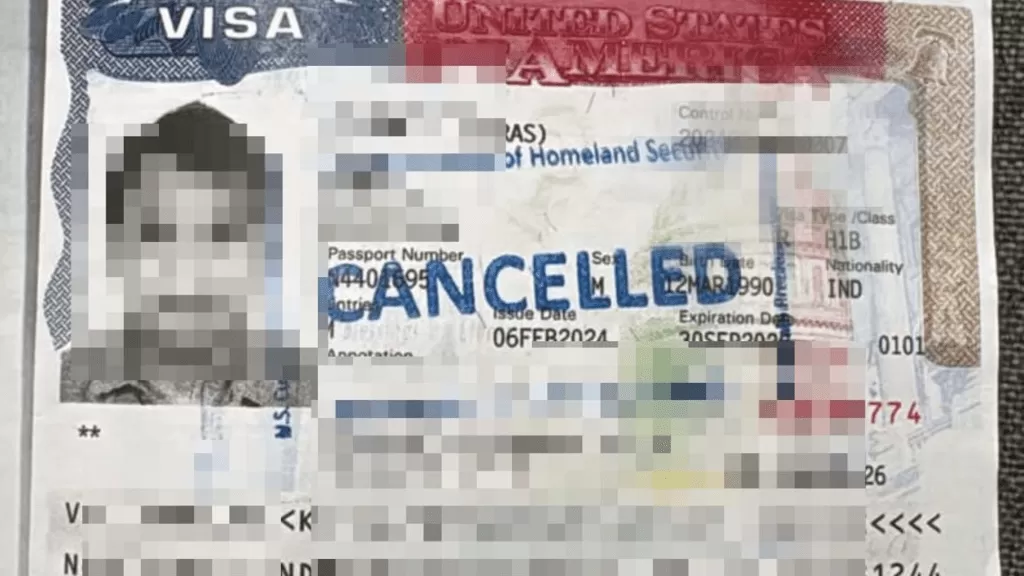
In a cautionary tale for Indian professionals holding H-1B visas, three individuals were recently denied entry into the United States and had their visas revoked at Abu Dhabi International Airport. Despite presenting employer support letters and evidence of emergency-related delays during their stay in India, U.S. Customs and Border Protection (CBP) officials cited visa policy violations. The individuals had remained outside the U.S. beyond the allowed grace period—some for over 90 days. The incident underscores the critical importance of strict compliance with visa regulations, even in cases involving legitimate personal or medical emergencies.
Incident Overview: Visa Revocations in Abu Dhabi
Three Indian H-1B visa holders faced unexpected immigration hurdles when attempting to re-enter the United States via Abu Dhabi International Airport. All three had exceeded the permitted duration of stay outside the U.S. According to accounts circulating on social media, one individual had been in India for nearly three months, and the others even longer. Despite submitting documentation supporting their cases—including employer-issued letters and proof of emergency circumstances—U.S. immigration officials at the preclearance facility in Abu Dhabi denied them entry.
Abu Dhabi International Airport houses a U.S. Customs and Border Protection (CBP) Preclearance facility, which allows U.S.-bound travelers to complete immigration and customs checks before departure. This facility holds the same authority as entry points within the U.S., giving immigration officials the discretion to revoke visas or deny boarding.
Legal Framework and CBP Action
The revocation notices reportedly referenced Section 41.122(h)(3) of the U.S. immigration code, which permits consular officers or border agents to cancel visas when violations of visa conditions are suspected or identified. The CBP also stamped the passports of the affected individuals, effectively rendering their H-1B visas invalid and instructing them to return to India on the next available flight.
Even though the individuals presented letters from their employers explaining the nature of their emergency and verifying continued employment, the CBP determined that the duration of their absence constituted non-compliance with visa conditions.
Understanding H-1B Visa Restrictions
H-1B visa holders are temporary non-immigrant workers, typically in specialty occupations, who must adhere to specific timelines for travel outside the U.S. While there is no formal statutory limit on how long an H-1B holder can remain abroad, extended stays often trigger scrutiny upon reentry. A general rule of thumb in the professional immigration community is that stays beyond 60 days may be flagged unless carefully documented and pre-approved by legal counsel or immigration authorities.
The affected individuals’ message circulating online advises H-1B holders to limit travel abroad to 30–40 days even in cases of emergency, unless they receive formal guidance from immigration attorneys to avoid complications upon return.
Implications for Indian Professionals and Employers
This development has generated concern among H-1B visa holders, especially those working remotely from their home countries post-pandemic. For Indian professionals and sponsoring U.S. employers, the incident highlights the need for proactive visa compliance and travel planning. Legal experts recommend maintaining constant communication with immigration attorneys, HR departments, and monitoring any travel beyond 60 days outside the United States.
Employers must also be aware that, despite providing support documentation, the final decision rests with U.S. immigration authorities. A letter of continued employment or emergency proof may not always mitigate a violation, especially when discretionary powers are exercised at ports of entry or preclearance facilities.
Conclusion: Vigilance is Crucial for Global Talent Mobility
As global mobility becomes increasingly complex in the post-pandemic landscape, visa holders must operate with diligent awareness of legal and procedural frameworks. The revocation of H-1B visas in Abu Dhabi serves as a timely reminder that even unintentional overstays or travel-related emergencies can carry significant professional and personal consequences.
In an era where cross-border employment is both essential and fraught with regulatory nuance, compliance with immigration norms is no longer optional—it is strategic risk management.
Comments