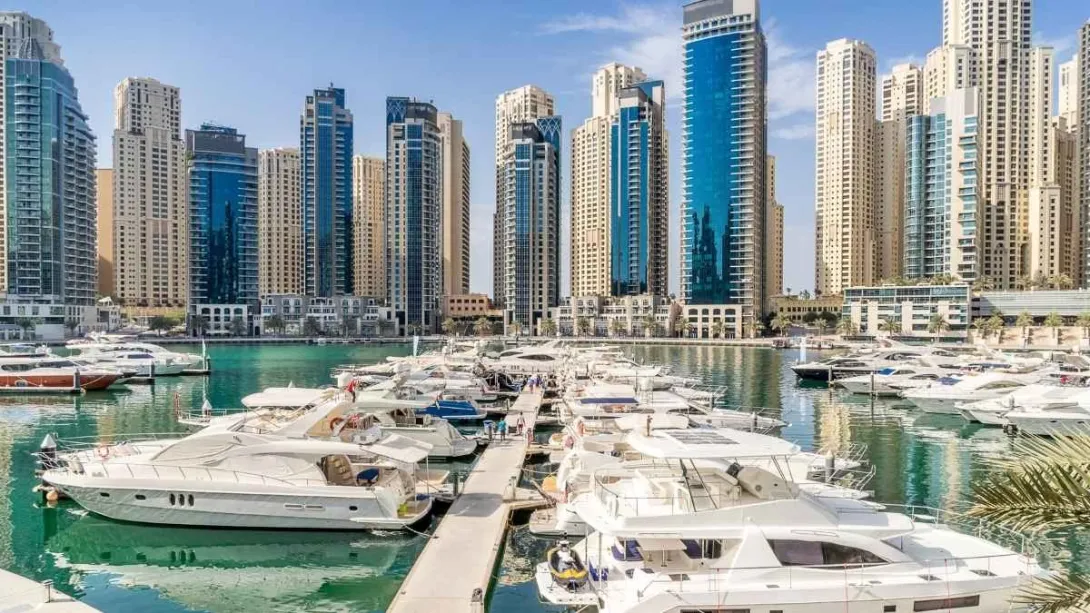
In a striking shift in global wealth migration trends, the United Arab Emirates has outpaced traditional destinations like the United Kingdom, the United States, and Italy to become the top choice for high-net-worth individuals (HNWIs) seeking residency. According to the latest global migration data for 2024, the UAE welcomed 9,800 new millionaires this year alone—a testament to its strategic positioning, investor-friendly policies, and lifestyle appeal. The influx underscores the nation’s successful transformation into a global wealth hub, backed by low taxes, economic diversification, and political stability. This trend also signals evolving geopolitical dynamics influencing capital movement worldwide.
---
UAE's Strategic Rise as a Wealth Magnet
The UAE’s meteoric rise as the foremost destination for millionaire migration in 2024 did not occur in a vacuum. Years of policy refinement, aggressive economic diversification, and infrastructure modernization have elevated the country from a regional trade center to a global financial powerhouse. The country’s zero-income tax policy, streamlined visa regulations, and luxury-centric urban ecosystems—particularly in Dubai and Abu Dhabi—have turned the Gulf nation into a preferred enclave for affluent global citizens.
In contrast to Western countries grappling with higher taxes and increased regulatory scrutiny, the UAE offers a business-friendly climate without compromising on lifestyle or security. This winning combination has made it particularly attractive to wealth managers, entrepreneurs, and family offices.
---
Who’s Moving—and Why?
The profile of new millionaire residents in the UAE is remarkably diverse, spanning sectors such as technology, finance, manufacturing, and real estate. A large portion of the new entrants hail from Asia, Russia, and parts of Africa—regions experiencing either economic volatility or tightening political environments. Additionally, a growing number of European and North American citizens are also relocating, often motivated by the UAE's advantageous tax regime and quality of life.
Experts attribute this surge to a confluence of global factors: economic instability in traditional safe-haven markets, increased inheritance and wealth taxes in developed countries, and shifting geopolitical alliances. The UAE, by contrast, offers both capital preservation and a sense of continuity amid a rapidly changing global order.
---
Comparing Global Wealth Destinations
While the UAE added 9,800 millionaires this year, the United States and the United Kingdom—longstanding centers for global wealth—saw net outflows. Countries like Australia and Singapore, though still attractive, have witnessed more measured inflows due to rising living costs and increasingly complex immigration requirements.
Notably, Italy, despite its Golden Visa and real estate incentives, failed to match the UAE’s momentum. The contrast highlights how non-Western destinations, when coupled with favorable regulatory frameworks, can increasingly compete with traditional financial capitals. The narrative of wealth migration is no longer West-centric; it's global and fluid.
---
Policy Reforms Driving the Influx
Central to the UAE's success has been its proactive approach to policymaking. Long-term residency visas, such as the 10-year Golden Visa, allow foreign investors, professionals, and even skilled workers to settle with stability. Regulatory updates, including 100% foreign ownership of businesses in certain sectors and reduced compliance burdens, have lowered entry barriers.
Furthermore, initiatives like the Dubai Economic Agenda 2033 and Abu Dhabi Vision 2030 offer clear blueprints for sustainable growth. These programs aim to position the UAE not just as a transient base for wealth, but as a permanent destination for innovation, investment, and global citizenship.
---
Economic and Societal Implications
The dramatic influx of wealthy residents has cascading effects across the UAE economy. Sectors such as luxury real estate, private banking, education, healthcare, and hospitality are experiencing robust growth. High-end property prices have surged in key areas, driven by demand from expatriate millionaires seeking permanent homes or investment properties.
At the same time, the demographic shift is reshaping the country's cultural and economic fabric. While critics warn of potential wealth concentration, the government has responded with inclusive policies aimed at fostering social cohesion and economic balance.
---
Outlook: Sustaining the Momentum
While the UAE currently leads the global millionaire migration race, the long-term challenge lies in maintaining the momentum. Sustaining infrastructure capacity, managing inflation in luxury markets, and ensuring regulatory transparency will be key to retaining investor confidence.
With an eye on sustainability and innovation, the UAE appears well-positioned to solidify its status as a sanctuary for the global elite. Its rise reflects not only the nation's strategic foresight but also the changing tides in how and where global wealth chooses to reside in the 21st century.
---
Conclusion:
The United Arab Emirates' ascent as the top destination for millionaire migration marks a turning point in global wealth flows. As affluent individuals recalibrate their priorities—seeking security, efficiency, and economic freedom—the UAE stands out as a model of modern statecraft and economic vision. Its continued success will likely serve as a benchmark for other aspiring wealth hubs around the world.
Comments