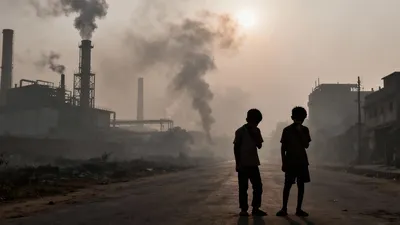
A rural community in Rajasthan faced a sudden health emergency after toxic fumes spread through a residential cluster, leaving 24 people—most of them children—hospitalised. The incident, which sparked immediate panic among local families, has raised concerns about environmental safety, hazardous waste handling, and the vulnerability of densely populated settlements to industrial or chemical exposure. Preliminary reports indicate that the fumes originated from a nearby area where unidentified materials were being burnt. This article examines the sequence of events, the medical response, and the wider implications for public health governance, particularly in regions where regulatory oversight remains inconsistent.
Sudden Outbreak of Illness
A quiet locality in Rajasthan was thrown into chaos when several residents, including young children, suddenly began experiencing severe respiratory distress. Within minutes, symptoms such as breathlessness, dizziness, nausea, and throat irritation spread across households. Local authorities reported that 24 individuals required urgent medical attention and were transported to nearby hospitals for stabilisation.
Doctors treating the patients confirmed that most affected individuals were minors, heightening public anxiety and prompting immediate intervention from health officials. While all patients were reported to be in stable condition after receiving treatment, the scale of the incident triggered broader conversations about environmental safety in the region.
Source of Fumes Under Investigation
According to initial accounts from the community, the toxic fumes are believed to have emanated from burning materials near the residential area. The exact nature of the substances involved is still under investigation, though residents claim a pungent odour lingered in the air long before the health crisis became evident.
Authorities have begun a detailed assessment to determine whether industrial waste, chemical residues, or agricultural byproducts were being illegally burned. Such practices, while prohibited, continue in pockets of rural India due to lax monitoring and limited public awareness.
Medical Response and Stabilisation Efforts
Healthcare teams acted swiftly, administering oxygen support, antihistamines, and other stabilising treatments to those affected. Physicians noted that children are far more susceptible to airborne toxins due to their lower lung capacity and faster respiratory rate, which may explain why they formed the majority of hospital admissions.
Hospital staff have been instructed to monitor the patients for delayed effects, as exposure to chemical fumes can sometimes lead to secondary complications, especially in young or elderly individuals.
Environmental Oversight and Regulatory Gaps
The incident has reignited the long-standing debate on enforcement of environmental and waste management regulations, particularly in semi-urban and rural districts. Illegal waste burning remains a persistent challenge, often driven by a lack of proper disposal facilities and inadequate supervision.
Public health experts argue that repeated episodes of toxic exposure reflect systemic shortcomings. They highlight the need for stronger surveillance mechanisms, community education, and penalties for violations to prevent similar occurrences.
Community Concerns and Path Forward
Residents remain anxious, demanding clarity on the source of the fumes and assurances that such an event will not recur. Local bodies have also been urged to enhance waste-disposal infrastructure and ensure that regulatory standards are followed without exception.
As authorities continue to investigate, the incident serves as a reminder of the fragile balance between human habitation and environmental risk. Strengthening public health preparedness, improving environmental governance, and fostering awareness are essential steps to shielding vulnerable populations—especially children—from hazardous exposure in the future.
Comments