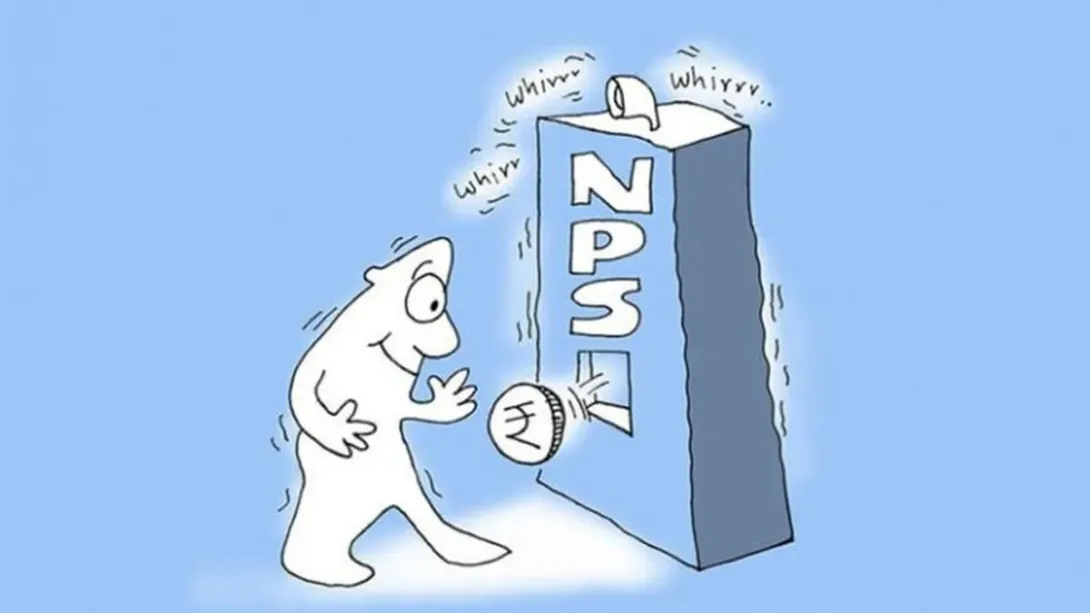
Finance Minister Nirmala Sitharaman has firmly stated that the central government will not revert to the Old Pension Scheme (OPS), despite increasing demands from certain states and employee unions. Instead, she reiterated the Centre’s commitment to strengthening the National Pension System (NPS), citing fiscal prudence and long-term sustainability as key reasons. The decision underscores the government’s focus on balancing social security needs with responsible financial management. Economists believe that retaining the NPS will help preserve macroeconomic stability, prevent future budgetary strain, and ensure predictable pension payouts without creating an unsustainable burden on taxpayers.
Government Stance on Pension Policy
Addressing the growing debate over pension structures, Sitharaman emphasized that the OPS, which guarantees fixed pension benefits based on the last drawn salary, is fiscally unsustainable in the long run. She noted that the NPS—introduced in 2004—offers a market-linked, contributory framework designed to share financial responsibility between employees and the government. This structure, she argued, allows for greater transparency, portability, and adaptability to changing economic conditions.
Fiscal Prudence and Long-Term Stability
Economists have repeatedly warned that reinstating OPS would significantly increase unfunded liabilities, limiting the government’s ability to invest in infrastructure, healthcare, and education. By maintaining the NPS, the Centre aims to safeguard fiscal stability while ensuring that pension obligations remain manageable over decades. Sitharaman stressed that responsible governance requires balancing current welfare measures with the interests of future generations.
State-Level Divergence and Political Pressure
Several states have announced their decision to restore OPS, citing employee welfare and political commitments. However, the Centre’s position suggests that any such shift at the federal level is unlikely. This divergence could lead to administrative complexities, particularly for employees who move between states or between state and central services. The debate has also gained political momentum, with unions pressing for uniformity in pension benefits across the country.
Economic Outlook and Investor Confidence
Market analysts believe that the Centre’s stance will be viewed positively by credit rating agencies and investors, as it signals a commitment to fiscal discipline. A shift back to OPS could have raised concerns over deficit financing and debt sustainability. By reinforcing the NPS framework, the government is aligning its pension policy with global best practices while ensuring long-term economic resilience.
Comments