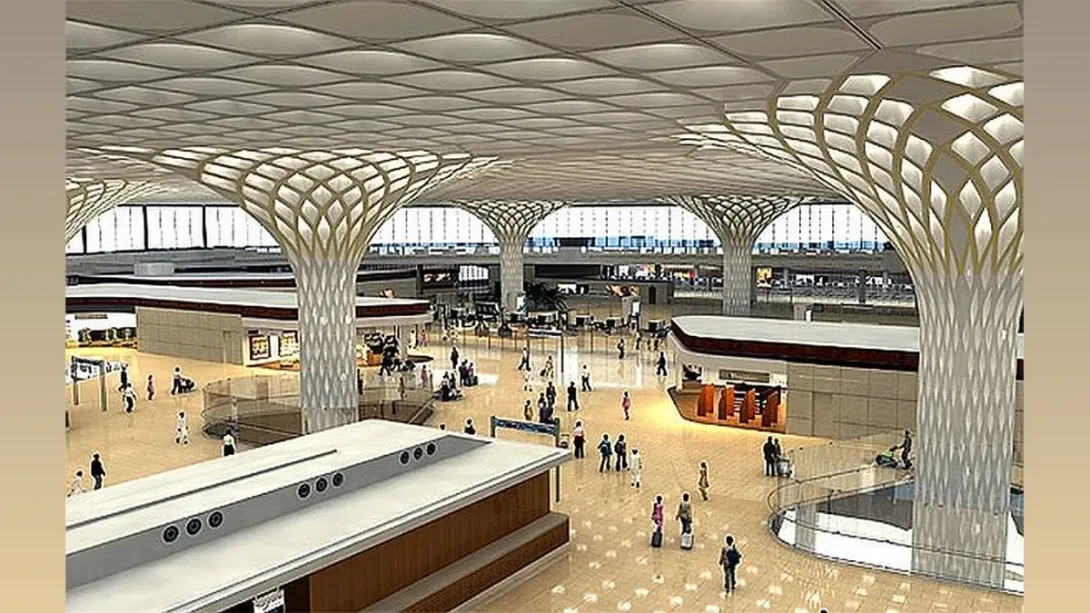
India’s hub airports are implementing advanced seamless immigration systems to streamline passenger processing and reduce wait times, significantly enhancing travel convenience. Leveraging biometric technology, automated e-gates, and digital verification processes, these initiatives aim to accelerate arrivals and departures while maintaining high security standards. Airports such as Delhi, Mumbai, and Bengaluru are leading the adoption of these technologies, catering to rising passenger traffic and improving operational efficiency. The move aligns with global best practices in aviation management, positioning India’s airports as modern, technologically advanced gateways capable of handling increasing international and domestic travel demands efficiently.
Introduction to Seamless Immigration
Seamless immigration refers to the integration of technology-driven processes that expedite passenger movement through border control checkpoints. At India’s major hub airports, this includes facial recognition, e-gates, and biometric verification systems designed to automate identity checks while enhancing security.
The initiative supports faster processing, reducing congestion at immigration counters and improving overall passenger satisfaction. By minimizing manual intervention, airport authorities can optimize staffing and operational efficiency.
Key Airports Leading Implementation
Airports Authority of India (AAI) reports that Delhi, Mumbai, Bengaluru, and Hyderabad airports have adopted or are piloting seamless immigration systems. These airports are equipped with automated e-gates capable of processing both Indian and international travelers efficiently.
For instance, biometric-enabled e-gates at Delhi’s Terminal 3 can process up to 60 passengers per hour per gate, significantly reducing waiting times during peak hours. Mumbai Airport has also integrated digital verification with immigration data to expedite entry for frequent flyers and e-visa holders.
Technological Integration and Benefits
The seamless immigration systems combine multiple technologies:
- Biometric Authentication: Facial recognition and fingerprint scanning ensure accurate identity verification.
- E-Gates: Automated gates allow passengers to self-process using passports and biometric data.
- Data Integration: Real-time access to immigration databases enhances security checks while reducing manual workload.
These innovations minimize human errors, reduce bottlenecks, and enhance the travel experience for millions of passengers annually.
Impact on Passenger Experience
The adoption of seamless immigration systems has significantly improved passenger flow, especially at peak travel periods. Travelers report shorter waiting times, faster baggage clearance, and overall reduced travel stress.
Airlines also benefit, as faster immigration processing contributes to on-time departures and more efficient gate management. Additionally, these systems improve airport capacity management, enabling smoother handling of increasing passenger volumes.
Alignment with Global Best Practices
India’s move toward seamless immigration aligns with international aviation standards observed in airports across Singapore, Dubai, and Europe. By leveraging cutting-edge technology, Indian hub airports aim to meet global passenger expectations and attract more international travelers.
Experts note that adopting such systems is crucial for India’s ambitions to become a leading global aviation hub, as efficient immigration processes are a key factor in travel competitiveness and airport rankings.
Future Outlook
Airports Authority of India plans to expand seamless immigration across additional terminals and regional airports, including Chennai, Kochi, and Kolkata. With continuous upgrades to biometric and digital infrastructure, the vision is to make seamless immigration the norm rather than the exception.
These initiatives will not only enhance passenger satisfaction but also strengthen security, optimize operational efficiency, and support India’s broader goal of modernizing its aviation sector.
Conclusion: Towards Efficient, Passenger-Centric Airports
Seamless immigration at India’s hub airports represents a transformative step in airport operations. By integrating technology, enhancing security, and improving passenger throughput, India is positioning itself as a modern, world-class aviation destination.
As these systems scale across the country, travelers can expect faster, safer, and more convenient airport experiences, reflecting the nation’s commitment to operational excellence and global best practices in aviation management.
Comments