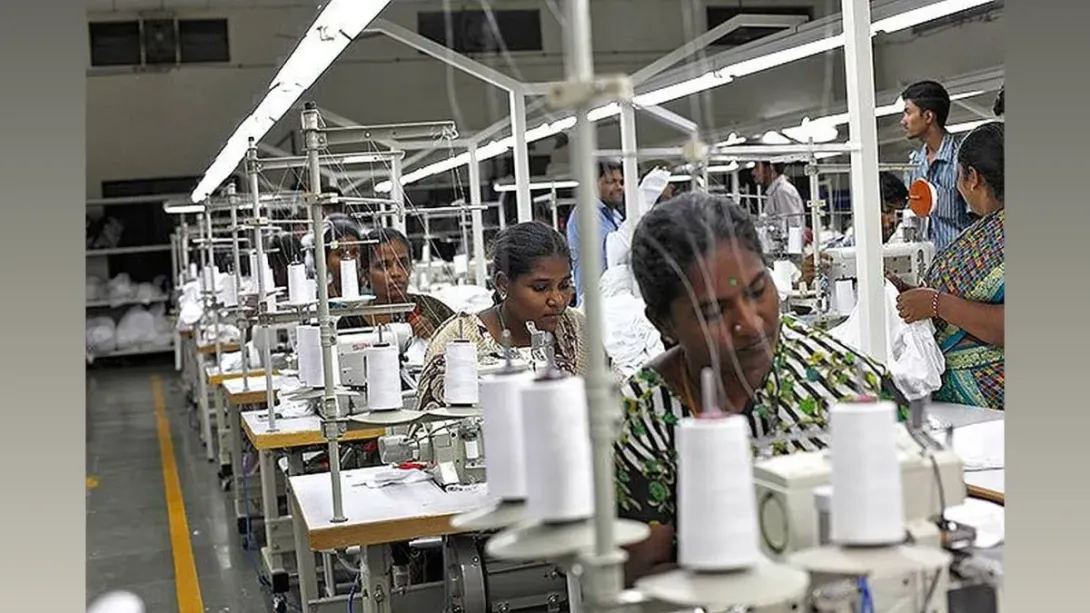
The Indian government’s decision to revoke the Quality Control Order (QCO) on polyester products has been met with widespread approval across the textile sector. The move is expected to ease raw material imports, reduce production bottlenecks, and enhance global competitiveness for domestic manufacturers. Industry stakeholders believe that lifting the QCO will lower input costs and help revive export momentum in a sector that contributes significantly to India’s GDP and employment. The decision aligns with the government’s broader strategy to balance regulatory oversight with industrial flexibility, ensuring that Indian textile producers remain globally competitive and cost-efficient.
Understanding the QCO and Its Impact
The Quality Control Order (QCO) was initially implemented to ensure consistency, safety, and quality standards in polyester production. While well-intentioned, the regulation created operational challenges for textile producers, particularly small and medium enterprises (SMEs) that relied on imported polyester inputs.
Under the QCO framework, importers were required to source materials certified by the Bureau of Indian Standards (BIS), a process that often caused delays and supply shortages. Manufacturers argued that these bureaucratic hurdles increased costs and hampered their ability to fulfill export orders efficiently.
By revoking the order, the government has effectively restored supply chain flexibility, enabling manufacturers to source raw materials from a wider range of global suppliers without additional certification constraints. This move is expected to boost productivity, improve export competitiveness, and stabilize input prices.
Industry Reaction: A Welcome Relief
The revocation has been widely lauded by industry bodies and business leaders as a progressive and pragmatic decision. According to textile associations, the withdrawal of the QCO will particularly benefit polyester-based product segments such as fabrics, yarns, and blended textiles, which form the backbone of India’s apparel exports.
The Confederation of Indian Textile Industry (CITI) and the Federation of Indian Chambers of Commerce and Industry (FICCI) have both commended the government for its responsiveness to industry concerns. They noted that the move would enable smoother trade operations and reduce the compliance burden for exporters, helping India capitalize on emerging opportunities in global textile markets.
With global demand for synthetic and blended fabrics rising sharply, Indian manufacturers now see an opportunity to expand their footprint in markets such as Europe, the United States, and Africa, where cost-competitive and high-quality polyester products are in strong demand.
Economic Significance for the Textile Sector
India’s textile and apparel industry accounts for nearly 2% of the national GDP and contributes around 12% to total export earnings. Polyester, as one of the most versatile synthetic fibers, plays a pivotal role in the sector’s value chain—particularly in the production of sportswear, furnishings, and technical textiles.
The revocation of the QCO is projected to enhance cost efficiency across the manufacturing process, reduce dependence on domestic intermediaries, and attract greater foreign investment. Industry experts estimate that the change could improve export margins by 5–7%, depending on global price trends for polyester feedstock.
Moreover, by removing artificial supply restrictions, the policy shift supports Make in India and Atmanirbhar Bharat initiatives in a practical way—fostering competitiveness without overregulation.
Strengthening Global Competitiveness
India faces stiff competition from countries such as China, Vietnam, Bangladesh, and Indonesia, all of which have advanced polyester production capabilities. The revocation of the QCO gives Indian manufacturers the breathing room needed to modernize operations, negotiate better sourcing deals, and pursue value-added exports.
With more flexibility in raw material procurement, textile units can now explore innovative polyester blends that cater to global fashion trends and sustainability requirements. This adaptability will enable India to move up the value chain, from basic textile exports to high-performance and eco-friendly fabrics—a growing demand area among global retailers and fashion houses.
Additionally, experts believe that the decision will encourage foreign players to re-engage with India’s textile ecosystem, potentially leading to joint ventures and technology transfers in synthetic fiber manufacturing.
Policy Rationale and Strategic Timing
The government’s decision to revoke the polyester QCO comes at a strategically important time for the sector. Global textile demand is rebounding post-pandemic, but inflationary pressures and geopolitical disruptions have strained supply chains.
By reducing regulatory frictions, the Indian government aims to help domestic producers leverage these global shifts and capture a larger share of export demand. Officials have emphasized that quality assurance will continue through voluntary standards and industry self-regulation, ensuring that Indian exports remain competitive without compromising product reliability.
This policy adjustment also aligns with India’s recent efforts to rationalize import regulations, ensuring smoother trade flows across key industrial segments such as chemicals, plastics, and textiles.
Sustainability and Innovation Outlook
While the revocation addresses immediate supply-side constraints, the industry’s long-term competitiveness will depend on continued investments in innovation, circular economy models, and sustainable production.
Leading textile manufacturers are increasingly adopting recycled polyester fibers (rPET), made from post-consumer plastic waste, to meet the growing global demand for eco-conscious apparel. The flexibility created by the QCO’s withdrawal allows greater access to advanced polyester materials and technologies that support sustainability goals.
If combined with stronger domestic R&D and government incentives for green manufacturing, India’s textile sector could transition from being a cost-efficient exporter to a sustainability-driven leader in the global textile supply chain.
Future Outlook: A Step Toward Textile Transformation
The revocation of the polyester QCO marks an important shift in India’s industrial policy—one that prioritizes competitiveness, flexibility, and global integration over regulatory rigidity. It demonstrates the government’s willingness to listen to industry feedback and adapt policies in real-time to support export-oriented growth.
With smoother access to high-quality inputs, Indian textile companies are poised to strengthen their global presence, expand capacity, and tap into emerging markets for polyester-based products. The move could also catalyze a new wave of investments across technical textiles, fashion innovation, and high-performance fabric manufacturing.
Conclusion: Policy Flexibility Fuels Industrial Growth
In revoking the Quality Control Order on polyester, India has taken a decisive step toward reinforcing its position as a global textile powerhouse. The decision not only alleviates supply constraints but also enhances the sector’s ability to innovate and compete internationally.
As manufacturers regain momentum and exports continue to rise, the textile sector stands at the threshold of a transformative decade—one defined by technological modernization, sustainability adoption, and global expansion. This policy recalibration signals a maturing industrial ecosystem, where strategic flexibility and quality excellence coexist to drive long-term growth.
Comments