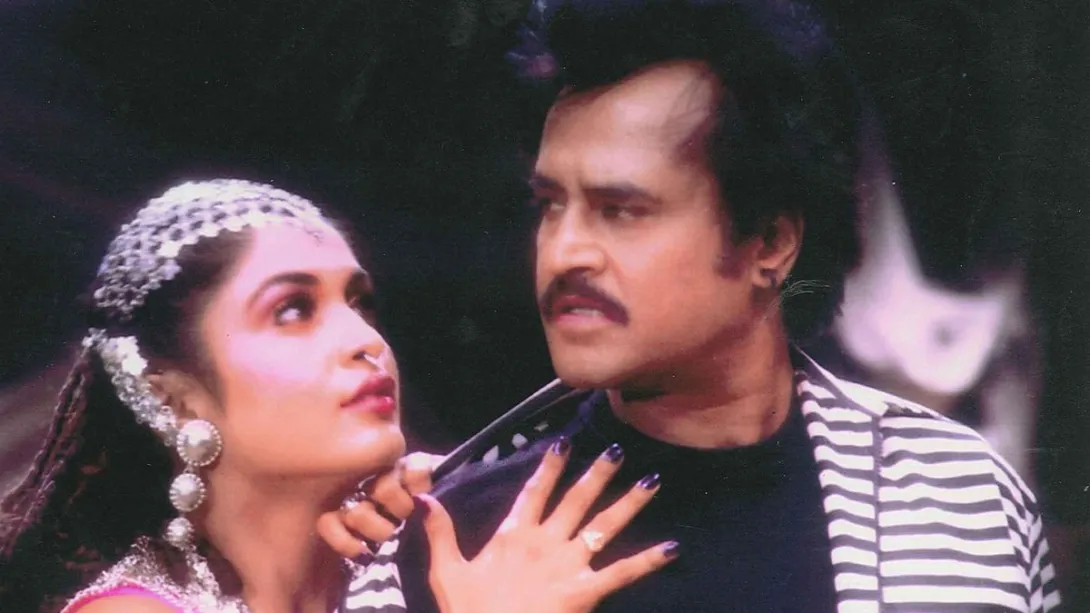
Tamil cinema icon Rajinikanth has officially confirmed the sequel to his blockbuster 1999 film Padayappa, revealing the title Neelambari. The announcement has ignited excitement among fans and industry stakeholders, signaling a high-profile cinematic venture poised for both cultural impact and substantial commercial returns. Analysts suggest that the sequel, leveraging the enduring popularity of the original, could significantly influence pre-release revenue streams, merchandising, and brand partnerships. With Rajinikanth at the helm, Neelambari is expected to combine narrative legacy with contemporary cinematic technology, reflecting a strategic balance of nostalgia and market-driven entertainment in India’s thriving film industry.
A Sequel That Bridges Legacy and Modern Cinema
Rajinikanth’s confirmation of Neelambari marks a strategic continuation of the Padayappa franchise, one of Tamil cinema’s most celebrated films. The original’s massive box office success and cultural resonance provide a strong foundation for the sequel’s market potential. Industry observers note that sequels of iconic films carry built-in brand equity, offering both creative leverage and financial upside.
Market Anticipation and Fan Engagement
Social media platforms and fan forums reacted immediately to the announcement, with trending hashtags and viral posts amplifying audience engagement. Analysts emphasize that pre-release hype can directly influence ticket pre-sales, regional distribution agreements, and promotional tie-ins. In markets such as Tamil Nadu, Karnataka, and Kerala, where Rajinikanth commands substantial fan loyalty, early buzz could translate into strong opening-day occupancy, potentially exceeding Rs. 50–70 crore domestically for a high-profile release.
Commercial and Strategic Implications
From a financial perspective, Neelambari presents multiple revenue opportunities. Beyond theatrical collections, the film is likely to generate earnings through satellite rights, streaming licensing, merchandise, and international distribution, particularly in Southeast Asian and Middle Eastern markets with significant Tamil-speaking populations. Production companies are expected to invest heavily in cutting-edge VFX, large-scale sets, and high-quality music scores to enhance both artistic merit and box office viability.
Leveraging Nostalgia with Contemporary Appeal
The Padayappa brand carries immense nostalgic value, and Neelambari is anticipated to blend this legacy with modern cinematic techniques. Analysts suggest that leveraging a veteran star while updating the narrative and visual aesthetics creates a dual appeal — satisfying long-time fans while attracting younger demographics. This approach aligns with broader industry trends, where heritage franchises are revived to maximize both cultural relevance and profitability.
Conclusion
Rajinikanth’s announcement of Neelambari underscores the strategic interplay between star power, legacy content, and market-driven filmmaking. By marrying nostalgia with contemporary production values, the sequel has the potential to achieve both critical acclaim and significant commercial success, reinforcing the enduring influence of Rajinikanth and the Padayappa franchise in Indian cinema.
Comments