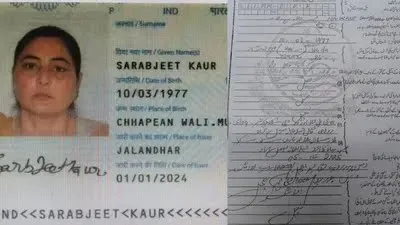
A Sikh pilgrim named Sarabjit Kaur vanished during a journey in Pakistan, only to reappear later having embraced Islam and assumed a new identity, Noor Hussain. According to reports, she married a local man, prompting complex questions about her disappearance, consent, and cross-border legal jurisdiction. Her case has sparked debate in both religious and diplomatic spheres, raising concerns about individual rights, community reactions, and bilateral accountability. Analysts suggest this episode underscores deeper tensions between freedom of movement, religious conversion, and the responsibilities of states to protect their citizens abroad.
The Disappearance: A Pilgrim’s Vanishing Act
Sarabjit Kaur, part of a Sikh pilgrims’ jatha traveling in Pakistan, went missing under unclear circumstances. Her disappearance shocked both her community and officials, triggering a frantic search and prompting appeals from her family for immediate intervention. The jatha’s tour, typically devotional and peaceful, turned into a crisis with cross-border implications. Subsequent inquiries revealed contradictory testimonies about her last known whereabouts, fueling speculation and anxiety among Sikh leaders and policymakers.
Conversion and a New Life
Months after her disappearance, Sarabjit resurfaced, asserting that she had converted to Islam and taken the name Noor Hussain. She reportedly married a local Pakistani man. The transformation of her identity—from Sarabjit Kaur to Noor Hussain—adds layers of complexity: was her conversion consensual, voluntary, and informed, or was it coerced under duress? Those close to her family express deep concern, while others defend her right to choose her faith.
Legal and Diplomatic Dimensions
The case has immediate legal ramifications. For one, it raises the question of jurisdiction: which nation’s laws govern her status, marriage, and conversion? Moreover, it challenges the diplomatic framework between India and Pakistan. Did Indian consular authorities have a role in ensuring her welfare? Could local governance in Pakistan be held accountable for ensuring her rights as a foreign national? These debates are now central to dialogues among diplomats, rights advocates, and government officials.
Social and Community Reactions
In the Sikh community, reactions have ranged from sorrow to outrage. For many, Sarabjit’s disappearance feels like a betrayal—or worse, a failure of protection by religious and political institutions. At the same time, some voices emphasize respect for her individual agency, warning against presuming victimhood without concrete facts. Pakistani civil society too is divided: some see her conversion and marriage as an example of personal freedom, while others fear the optics may be manipulated for propaganda.
Analysis and Broader Implications
This episode is more than a personal tragedy—it spotlights broader structural concerns. From a human rights perspective, it raises questions about how cross-border pilgrimages should be managed, how countries guarantee the safety of foreign visitors, and how conversions are monitored without infringing on freedom of religion. For political analysts, the incident may strain bilateral trust and complicate diplomatic relations. For civil society, it becomes a case study in agency: when an individual’s choices intersect with communal identity and state sovereignty.
Comments