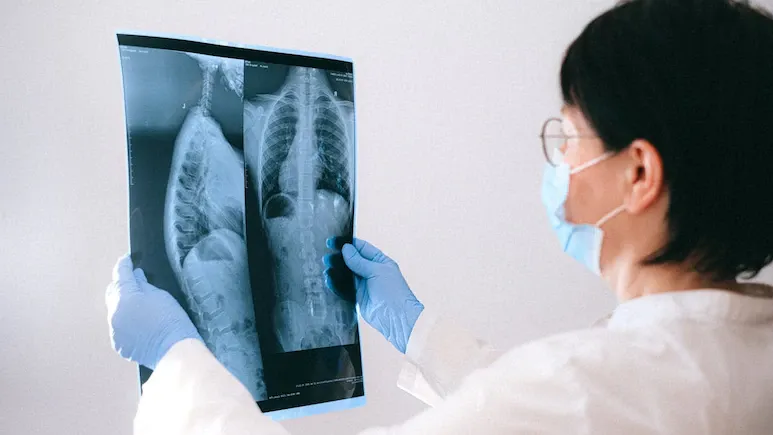
The World Health Organization (WHO) has released updated guidelines for tuberculosis (TB) management, reflecting advances in diagnostics, treatment protocols, and strategies to address drug-resistant strains. The revisions emphasize early detection, shorter treatment regimens, and integrated care models to reduce transmission and improve patient outcomes. Rising rates of multidrug-resistant TB (MDR-TB) and extensive drug-resistant TB (XDR-TB) pose significant health and economic risks, with potential costs exceeding Rs. 15,000 crore annually in high-burden countries if unaddressed. Experts stress that adoption of these evidence-based guidelines, combined with investment in public health infrastructure, is critical to controlling TB globally.
Key Updates in TB Management
WHO’s new guidelines reflect the latest evidence on rapid diagnostics, drug regimens, and patient-centered care. Highlights include:
- Shorter treatment courses: For drug-sensitive TB, treatment duration has been optimized to six months, improving patient adherence and reducing healthcare costs.
- Advanced diagnostic tools: Expansion of molecular tests, including GeneXpert MTB/RIF Ultra, allows rapid detection of TB and drug resistance within hours, facilitating timely intervention.
- Treatment for drug-resistant TB: WHO recommends all-oral regimens, reducing reliance on injectable drugs that have severe side effects and require hospitalization.
Dr. Anil Kumar, a TB program specialist, noted, “These guidelines are designed to modernize TB care, ensuring rapid, effective treatment while minimizing patient dropouts and adverse outcomes.”
Public Health and Societal Impact
TB continues to be a leading infectious disease, with over 10 million new cases annually. Delays in diagnosis and treatment adherence contribute to sustained transmission, particularly in densely populated regions. Multidrug-resistant TB strains exacerbate the crisis, increasing mortality risk and treatment complexity.
From a public health perspective, implementing WHO guidelines could:
- Reduce TB incidence by 20–30% over the next five years.
- Shorten hospital stays, lowering costs per patient from Rs. 1.5 lakh to Rs. 90,000 in optimized treatment settings.
- Strengthen community-based care models, empowering local health workers to monitor therapy adherence.
Economic Implications
Beyond the health toll, TB imposes substantial economic burdens. Productivity losses due to illness, coupled with high treatment costs for MDR-TB and XDR-TB, threaten workforce stability. Analysts estimate that failure to curb drug-resistant TB could cost high-burden countries Rs. 15,000 crore annually, factoring in healthcare expenditure and lost economic output.
Investments in rapid diagnostics, drug procurement, and patient adherence programs represent a cost-effective strategy. Shortened, outpatient-based regimens reduce hospitalization costs and improve workforce participation, generating measurable economic benefits.
Global Implementation and Policy Recommendations
WHO emphasizes national adaptation and integration of these guidelines into existing TB control programs. Priority measures include:
- Expanding access to rapid molecular diagnostics in remote areas.
- Ensuring uninterrupted supply chains for first- and second-line TB drugs.
- Training healthcare professionals in patient-centered approaches.
- Implementing digital adherence technologies to monitor therapy in real time.
International collaboration and funding, including public-private partnerships, are critical to scaling these measures. Countries investing in guideline adoption can expect long-term cost savings, improved health outcomes, and reduced TB transmission, contributing to broader Sustainable Development Goals.
Technological and Research Opportunities
The updated guidelines also encourage leveraging AI-driven diagnostic platforms, telemedicine, and mobile health monitoring to enhance treatment adherence and early detection. Pharmaceutical research continues to focus on shorter, safer, and more effective drug combinations, with potential market opportunities estimated at Rs. 3,000–5,000 crore for novel TB therapeutics over the next decade.
Moreover, predictive analytics can identify high-risk populations, enabling targeted interventions that maximize resource efficiency and clinical impact.
Conclusion
The WHO’s revised TB guidelines represent a strategic, evidence-based roadmap to combat one of the world’s most persistent infectious diseases. Their adoption promises improved patient outcomes, reduced mortality, and significant economic savings.
For governments, healthcare systems, and investors, this represents both a public health imperative and an opportunity to optimize healthcare spending, accelerate technological adoption, and strengthen societal resilience. Coordinated action, guided by science and innovation, remains essential to ending the TB epidemic while safeguarding economic stability.
Comments