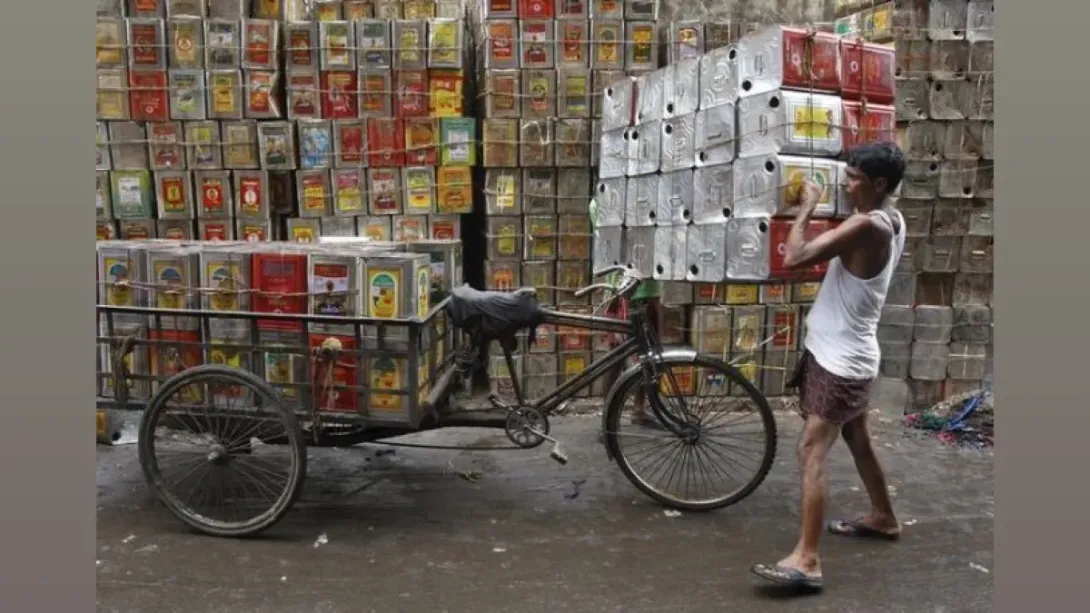
India, one of the world’s largest consumers of pulses and edible oils, continues to face production gaps that compel heavy reliance on imports. Recent government data reveals that despite steady gains in agricultural output, domestic production of pulses and oilseeds remains insufficient to meet the growing demand from households and industries. This imbalance has raised concerns over food security, foreign exchange outflows, and price volatility. Policymakers are now re-evaluating strategies to boost productivity, strengthen supply chains, and reduce vulnerability to global market fluctuations.
---
Pulse Production: Growth with Persistent Gaps
Government statistics indicate that while India has recorded incremental increases in pulse production, the pace of growth has not kept up with consumption trends. Pulses remain an essential protein source for millions of Indian families, yet local output often falls short, necessitating imports from countries such as Canada, Myanmar, and Australia.
Analysts caution that the mismatch between demand and supply exposes consumers to inflationary pressures, especially during periods of erratic monsoon rainfall. In addition, fluctuations in global availability often translate into unpredictable domestic price spikes, underscoring the urgency of strengthening self-sufficiency.
---
Oilseeds: The Larger Import Burden
The challenge is even more acute in the edible oil sector. India imports nearly two-thirds of its total edible oil requirement, making it one of the largest buyers on the global stage. Despite substantial oilseed cultivation across states like Madhya Pradesh, Rajasthan, and Gujarat, production remains constrained by low yields, limited mechanization, and insufficient adoption of high-quality seed varieties.
The dependency on imports, particularly palm oil from Indonesia and Malaysia, has significant implications for the country’s trade balance. Rising international prices directly impact Indian consumers, creating inflationary pressure and widening the current account deficit.
---
Government Measures and Policy Focus
In response, the government has rolled out a series of initiatives to encourage oilseed and pulse cultivation. These include minimum support price (MSP) hikes, subsidies on certified seeds, and promotion of crop diversification to reduce over-dependence on cereals. Furthermore, the National Food Security Mission and dedicated oilseed programs aim to boost productivity through technological interventions and farmer training.
Experts argue, however, that while these measures are well-intentioned, structural challenges such as fragmented landholdings, inadequate irrigation, and limited storage infrastructure continue to undermine progress. To achieve lasting results, policies must focus on long-term productivity gains rather than short-term procurement.
---
Economic and Strategic Implications
India’s dependence on global markets for essential food commodities poses both economic and strategic risks. A sudden surge in global prices or supply disruptions can severely strain domestic markets. In a country where food inflation is politically sensitive, such risks demand urgent attention.
Economists suggest that scaling up research in crop science, improving irrigation efficiency, and incentivizing private-sector investment in processing and storage could create a more resilient ecosystem. Additionally, promoting oil palm cultivation in suitable agro-climatic regions may help reduce the edible oil deficit over the next decade.
---
Looking Ahead
The government’s efforts to balance domestic production with import management will define the trajectory of India’s food economy in the coming years. Achieving self-sufficiency in pulses and oilseeds is not only an agricultural challenge but also a question of economic sovereignty. Unless structural bottlenecks are addressed, India’s consumers and policymakers alike will remain at the mercy of global commodity markets.
Comments