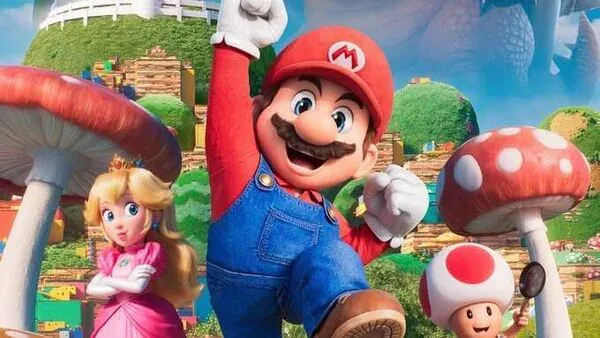
Nintendo has announced the next chapter in the Super Mario franchise, unveiling a new Super Mario Galaxy game alongside plans for a feature-length animated movie. The dual announcement underscores Nintendo’s strategy of leveraging its iconic intellectual property across multiple platforms to drive engagement and revenue. The game promises fresh interstellar adventures, innovative gameplay mechanics, and visually stunning worlds, while the movie adaptation aims to capture both long-time fans and new audiences. Analysts suggest these moves could boost Nintendo’s market share in gaming, enhance merchandising opportunities, and solidify Super Mario’s cultural relevance for years to come.
A New Chapter for Super Mario Galaxy
The upcoming Super Mario Galaxy title continues Nintendo’s tradition of expansive 3D platforming, now enhanced with next-generation graphics, innovative gravity-based mechanics, and enriched storytelling. Early previews indicate larger, more dynamic galaxies, interactive environments, and improved multiplayer capabilities, offering both nostalgia for veteran players and fresh challenges for newcomers. Nintendo appears focused on blending classic gameplay elements with modern innovations to maintain franchise vitality.
Super Mario Movie: Expanding the Brand
Alongside the game, Nintendo confirmed a cinematic adaptation of the Super Mario universe. Produced in partnership with leading animation studios, the film aims to translate the franchise’s whimsical charm and interstellar adventures to the big screen. By combining narrative depth with visual spectacle, the movie targets broad audiences, from children to long-time fans, while creating cross-promotional synergies with the new game release and associated merchandise.
Strategic Implications
Nintendo’s dual announcement illustrates the company’s strategy to maximize its intellectual property across multiple revenue streams. Beyond direct game sales, the movie adaptation and potential merchandising tie-ins—ranging from toys to apparel—could generate significant ancillary income. Analysts note that this approach mirrors broader industry trends, where media franchises leverage both digital and cinematic platforms to strengthen brand loyalty and drive ecosystem engagement.
Market and Competitive Context
With the gaming industry increasingly crowded, Nintendo’s ability to blend nostalgia with innovation is a key differentiator. Competitors such as Sony, Microsoft, and Activision Blizzard continue to invest in franchise expansion and cinematic adaptations. By synchronizing game releases with high-profile media, Nintendo positions Super Mario as not only a cultural icon but also a commercially strategic asset capable of attracting multi-generational audiences.
Outlook: Cross-Platform Storytelling as a Growth Driver
The new Super Mario Galaxy game and movie demonstrate Nintendo’s commitment to expanding its franchise ecosystem. If executed effectively, these initiatives could boost game sales, enhance merchandise revenue, and reinforce Nintendo’s position as a leader in both gaming and entertainment. As audiences anticipate interstellar adventures and cinematic magic, Super Mario continues to exemplify the convergence of innovation, nostalgia, and cross-platform storytelling in modern entertainment.
Comments