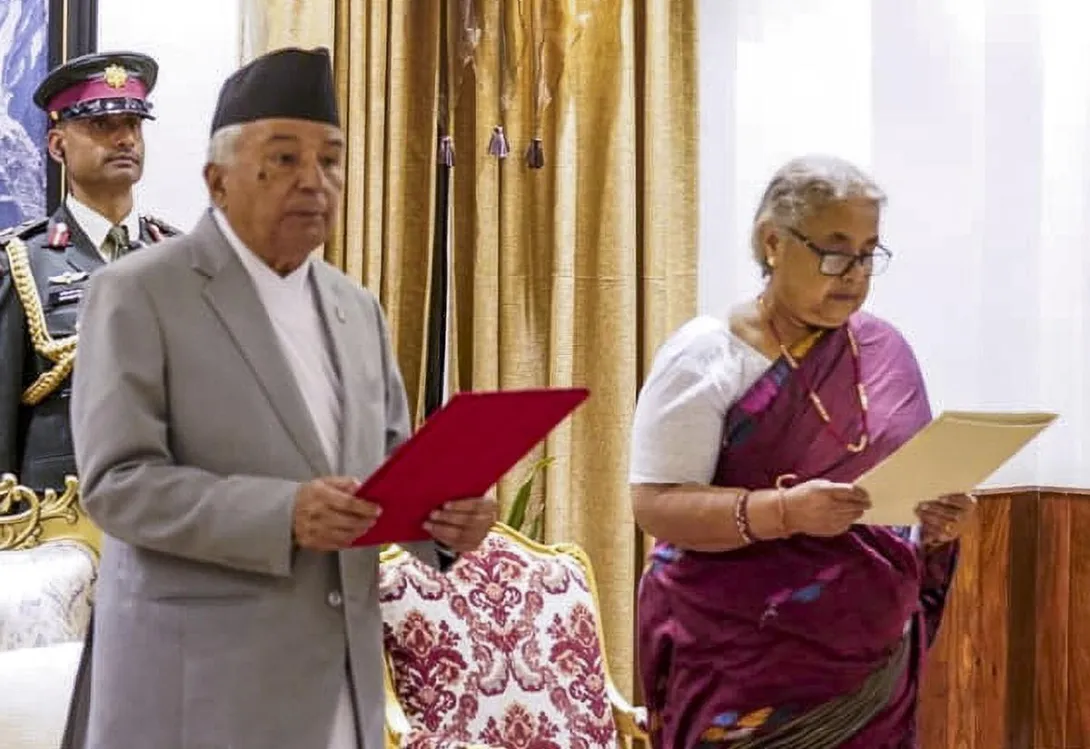
Nepal has entered a transformative chapter in its democratic journey with the appointment of former Chief Justice Sushila Karki as the country’s first woman prime minister. Known for her integrity and uncompromising stance on judicial independence, Karki’s rise to the highest executive office signals a historic moment in South Asian politics. Her leadership is expected to bring judicial acumen into governance, with a focus on transparency, accountability, and institutional reform. This landmark development carries profound political and economic implications, positioning Nepal as a nation willing to challenge convention and embrace inclusive leadership.
A Trailblazing Career in Law
Sushila Karki’s career has been defined by pioneering achievements. As Nepal’s first female Chief Justice, she carved a reputation for fairness, courage, and resilience in a traditionally male-dominated system. Her landmark rulings on corruption, governance, and human rights earned both respect and controversy, reflecting her refusal to compromise on principles. Transitioning from judiciary to executive leadership, Karki’s elevation underscores Nepal’s recognition of her legal expertise and the trust she commands as a reformist figure.
Breaking Political Barriers
The appointment of a woman to the premiership is a profound moment in Nepal’s political evolution. Historically, South Asian politics has been marked by patriarchal dominance, with leadership often concentrated in the hands of male elites. Karki’s selection breaks this cycle, representing a symbolic victory for gender equality and democratic inclusivity. For Nepalese women, her ascent provides a tangible role model, reaffirming the possibility of female leadership at the highest level of governance.
Governance Through Judicial Insight
Observers expect Karki to leverage her judicial experience to strengthen governance institutions. Her tenure on the bench demonstrated a deep commitment to accountability and anti-corruption measures—qualities urgently needed in Nepal’s political landscape. Analysts suggest that her premiership could prioritize structural reforms in public administration, rule-of-law initiatives, and a culture of transparency in policymaking. Such an approach could help restore public trust, particularly in a political system often criticized for inefficiency and corruption.
Economic and Social Implications
Karki assumes office at a time when Nepal faces pressing economic challenges: high youth unemployment, dependence on remittances, and the need for infrastructure modernization. Her leadership style, rooted in discipline and accountability, may attract greater international confidence in Nepal’s governance. If her government demonstrates policy stability and reform-driven economic management, it could pave the way for increased foreign investment and donor support. On the social front, her appointment is likely to catalyze broader conversations on women’s participation in leadership across Nepalese society.
Regional and Global Significance
Karki’s appointment also resonates beyond Nepal’s borders. In a region where politics remains largely patriarchal, her elevation reflects a shift toward inclusivity that could inspire similar reforms across South Asia. Internationally, her leadership is likely to be viewed as a progressive step, bolstering Nepal’s democratic credentials and reinforcing its image as a nation striving for equity and modernization.
Conclusion
Sushila Karki’s rise to the premiership represents more than a political reshuffle—it is a transformative moment in Nepal’s democratic journey. As the nation’s first woman prime minister, her leadership bridges the judiciary’s integrity with executive responsibility. The challenges ahead are formidable, but her appointment marks a decisive step toward inclusive governance, institutional accountability, and renewed public trust. For Nepal, the Karki era may well prove to be a turning point in shaping a more transparent and progressive state.
Comments