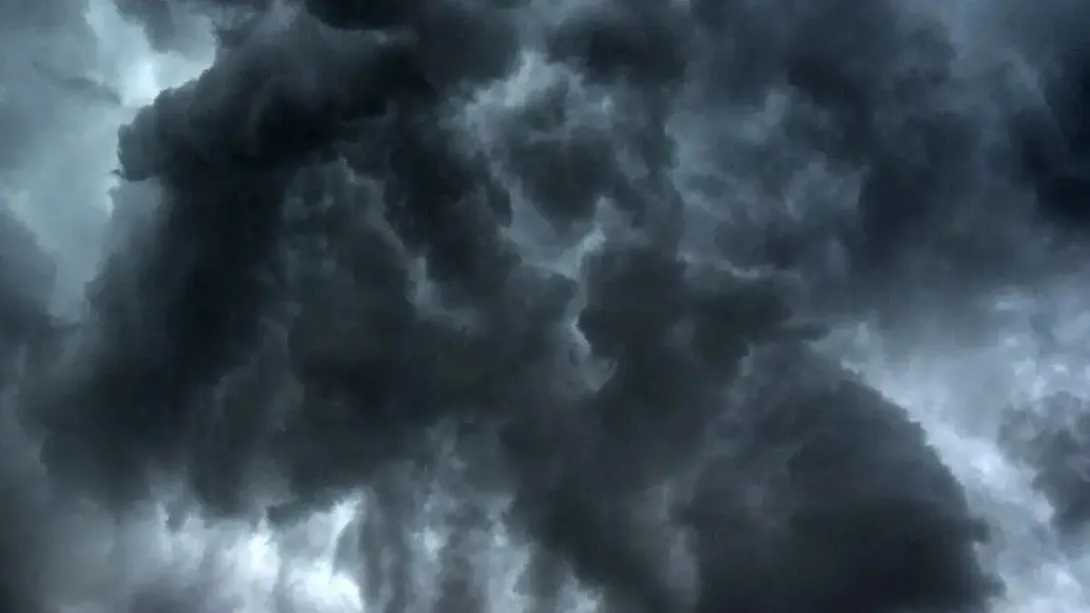
Telangana is on high alert as the India Meteorological Department (IMD) forecasts sustained heavy rainfall and thunderstorms across most districts through mid-September. A yellow warning has been issued, covering Hyderabad and surrounding regions, with a heightened risk of lightning strikes, localized flooding, and gusty winds. Emergency agencies, including the Hyderabad Disaster Response and Asset Protection Agency (HYDRAA), have been mobilized to mitigate the impact of severe weather. With already waterlogged urban centers and a recent record of excess rainfall, the state is navigating a challenging balance between agricultural gains and urban infrastructure stress during this critical monsoon phase.
I. Monsoon Surge: Forecast and Key Warnings
The IMD has predicted intense rainfall activity across Telangana from September 10 to September 14, driven by a low-pressure system over central India and moisture-laden southwesterly winds. Most districts are under a yellow alert, while certain areas, including Jogulamba Gadwal, Wanaparthy, and Nagarkurnool, are expected to see lighter precipitation.
Hyderabad, the state capital, is bracing for significant thunderstorms, particularly on September 12 and 13, with wind speeds projected to reach 30–40 kmph. The forecast also warns of potential lightning strikes and heavy downpours, prompting calls for heightened public awareness and caution.
The IMD emphasized that citizens should avoid outdoor activities during storms, remain clear of open areas, and monitor official updates for timely advisories.
II. Immediate Impact on Urban Life
The persistent rainfall has already begun to disrupt daily life across Telangana. Low-lying areas of Hyderabad have reported severe waterlogging, with stormwater drains overwhelmed by sudden downpours. Traffic congestion has worsened, particularly along arterial roads like the Outer Ring Road (ORR) and city center hubs.
Municipal authorities have issued advisories urging residents to plan their commutes carefully and avoid flood-prone stretches. In addition, motorists are cautioned against parking near open drains or under weakened trees, as the risk of accidents remains high during gusty conditions.
Schools and colleges in certain districts have been temporarily closed, and local markets are witnessing reduced foot traffic as residents stay indoors during peak rain hours.
III. Government Response and Disaster Preparedness
The Telangana government has activated comprehensive emergency response protocols to address the evolving situation. District collectors and municipal commissioners have been tasked with round-the-clock monitoring of vulnerable areas, while disaster management teams have been deployed to clear blockages and ensure uninterrupted drainage.
The Hyderabad Disaster Response and Asset Protection Agency (HYDRAA) is coordinating rescue and relief operations, with special emphasis on:
Real-time flood mapping and traffic monitoring,
Swift clearance of stormwater drains,
Deployment of rescue boats and emergency shelters in affected zones,
Public advisories through SMS and social media platforms.
Chief Minister Revanth Reddy has instructed officials to remain on high alert, emphasizing the need for quick intervention to prevent casualties and property damage.
IV. Historical Context: Telangana’s Rainfall Trends
Telangana has experienced erratic monsoon behavior in recent years. The 2024–25 monsoon season recorded a 32% surplus, with rainfall reaching 1,215.9 mm, compared to the long-term average of 918.9 mm. While this excess rainfall has boosted agricultural yields and groundwater reserves, it has also exacerbated urban flooding and placed immense strain on infrastructure.
The recurring pattern of short, intense cloudbursts is indicative of shifting climate trends, compelling policymakers to rethink urban planning and drainage system designs. Hyderabad, in particular, has been flagged for inadequate stormwater management and rapid, unregulated urbanization, both of which heighten flood risks.
V. Financial and Economic Implications
Prolonged rainfall, while beneficial for agriculture, carries significant economic implications. Rural areas may benefit from improved soil moisture and higher crop productivity, especially for paddy and cotton. However, urban centers face rising costs associated with flood management, infrastructure repair, and emergency services.
The state has already sought Rs. 16,731 crore in flood relief assistance from the central government to offset damages from previous extreme weather events. Proactive fiscal planning will be critical to balance short-term recovery needs with long-term infrastructure investments.
Insurance claims for property and vehicle damage are also expected to rise, adding further strain to both government resources and private insurers.
VI. Safety Measures for Citizens
Authorities are urging citizens to prioritize personal safety during the period of heightened risk. Key advisories include:
Avoiding non-essential travel during heavy rain alerts,
Staying indoors during lightning activity,
Keeping emergency supplies and essential documents ready,
Monitoring official government updates for real-time instructions,
Exercising caution near water bodies and open drains.
Public cooperation remains vital to reducing casualties and minimizing damage during severe weather events.
VII. Looking Ahead: Building Climate Resilience
As Telangana faces another bout of extreme weather, the state’s long-term challenge lies in climate resilience and sustainable urban planning. Strengthening stormwater systems, enforcing zoning laws, and investing in disaster response infrastructure will be essential to mitigating future risks.
By combining technological innovation with community engagement, Telangana can transition from reactive crisis management to proactive climate adaptation, safeguarding both lives and livelihoods.
Conclusion
The current spell of heavy rains is a stark reminder of the twin realities facing Telangana: the life-sustaining benefits of monsoon rains and the dangers of unprepared urban environments. Effective governance, informed citizens, and strategic planning will determine whether this natural event remains a manageable seasonal challenge or evolves into a recurrent disaster.
Comments