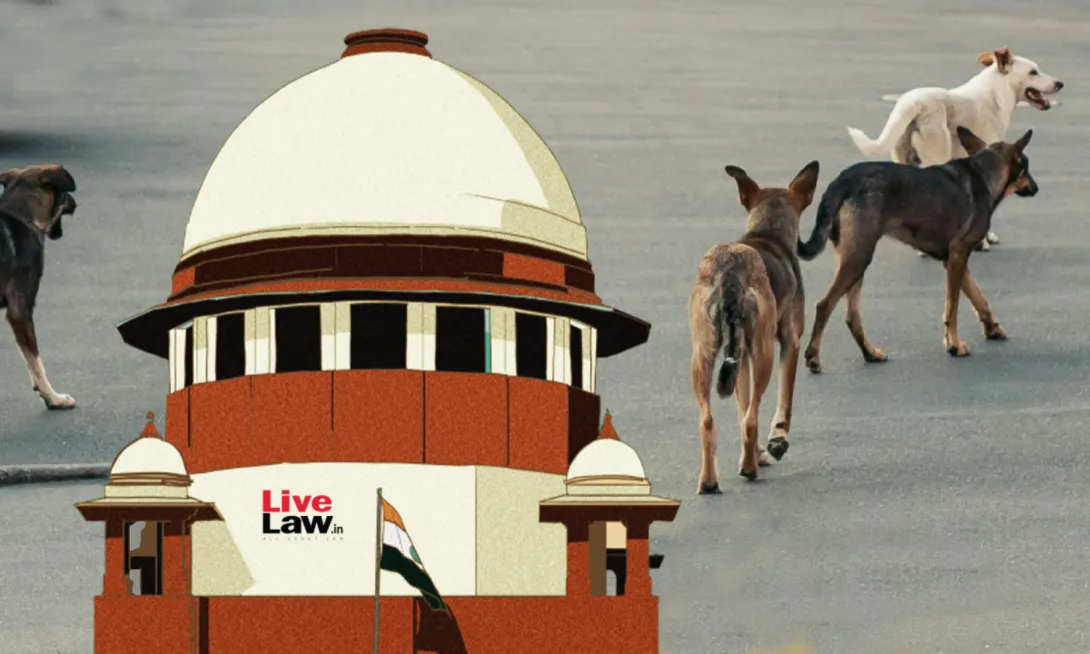
The Supreme Court has reserved its judgment on a plea challenging directives to remove stray dogs from Delhi’s streets, citing concerns over alleged inaction by municipal authorities in managing the city’s stray population. The petitioners argue that abrupt removal orders could lead to cruelty and violate established animal welfare laws, while highlighting the need for sustainable measures such as sterilisation and vaccination. The matter underscores the long-standing tension between public safety, animal rights, and administrative accountability. The court’s upcoming verdict is expected to set a precedent for how Indian cities balance humane treatment of strays with residents’ safety concerns.
Background of the Case
The plea before the Supreme Court stems from a recent directive ordering the removal of stray dogs from parts of the national capital. Petitioners contend that the order contradicts the Animal Birth Control (ABC) Rules, which mandate humane treatment, sterilisation, and relocation only within the animals’ original territories. They accuse civic authorities of neglecting sterilisation drives, vaccination campaigns, and public awareness initiatives — measures that could have prevented the present crisis.
Public Safety Versus Animal Welfare
Supporters of the removal order argue that rising stray dog attacks have endangered public safety, especially for children and the elderly. They assert that municipal bodies have a responsibility to safeguard citizens from such threats. However, animal rights advocates maintain that mass removals are both illegal and ineffective, potentially leading to displacement-related aggression and the resurgence of stray populations in other areas.
Role of Civic Authorities
The case has brought renewed scrutiny to the performance of Delhi’s municipal corporations. Critics point to underfunded sterilisation programmes, irregular vaccination schedules, and inadequate shelter facilities as evidence of systemic inaction. According to animal welfare experts, an effective solution requires a combination of policy enforcement, inter-agency coordination, and public participation in feeding and monitoring street animals.
Implications of the Verdict
The Supreme Court’s decision could influence how urban administrations across India approach stray animal management. A ruling in favour of the petitioners may reinforce the primacy of humane treatment under the law, compelling authorities to adopt long-term, ethical strategies. Conversely, upholding removal orders might prioritise public safety concerns, potentially triggering similar measures in other cities.
Comments