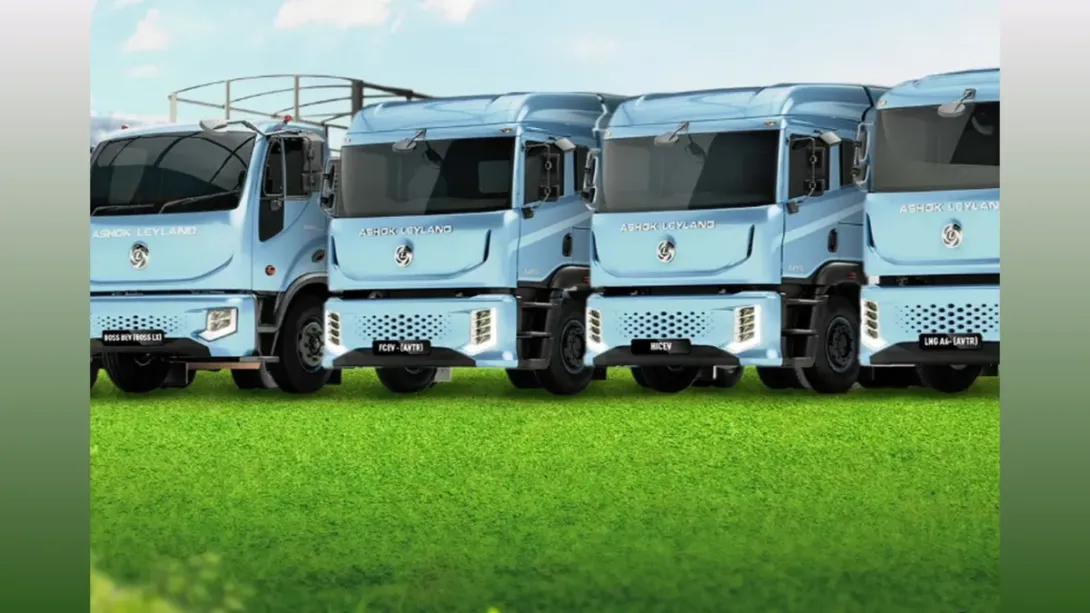
Ashok Leyland, a key player in India’s commercial vehicle industry, posted an 8% year-on-year growth in total sales for July 2025, with volumes rising to 16,088 units from 14,732 in July 2024. The uptick was largely driven by strong demand in the medium and heavy commercial vehicle (MHCV) segment, supported by ongoing infrastructure development and fleet replacement activity. Light commercial vehicle (LCV) sales also contributed to the gains, reflecting stable consumption trends in last-mile logistics. Despite macroeconomic headwinds, the company’s broad product portfolio, domestic market presence, and strategic focus on innovation have helped sustain positive momentum.
---
Medium and Heavy Vehicles Anchor Growth
Ashok Leyland’s MHCV segment recorded robust year-on-year growth, with sales climbing to 9,179 units in July from 8,284 units a year earlier. This marks a healthy 11% increase, driven by rising freight movement, infrastructure projects, and an uptick in government-led capital expenditure.
Demand for long-haul trucks and tippers has remained steady amid road construction, mining activity, and increased private logistics spending. As one of India’s leading manufacturers in the heavy vehicle space, Ashok Leyland continues to benefit from strong market acceptance of its reliable and fuel-efficient platforms.
---
Steady Performance in the LCV Segment
The LCV segment also showed resilience, with sales rising to 6,909 units in July 2025, compared to 6,448 units in the same month last year. This 7% increase was supported by continued demand in intra-city logistics and small business transportation.
Urban logistics, e-commerce deliveries, and supply chain diversification have created consistent tailwinds for light-duty vehicles. Ashok Leyland’s Dost and Bada Dost range, known for their durability and performance in tight operating conditions, have maintained a strong presence in the segment.
---
Domestic Market Drives Momentum
The domestic market remained the backbone of Ashok Leyland’s performance. As India’s economic recovery continues, supported by strong GST collections and industrial output, demand for commercial vehicles has maintained an upward trajectory.
Government policies aimed at improving road infrastructure, logistics parks, and smart city projects are directly influencing freight vehicle sales. In this environment, Ashok Leyland’s nationwide dealer network and robust service infrastructure provide a key advantage in maintaining market reach and customer satisfaction.
---
Strategic Focus on Innovation and Future Readiness
Beyond volume growth, Ashok Leyland is advancing its long-term strategy focused on sustainable mobility and digital solutions. The company is actively expanding its offerings in electric and alternate fuel commercial vehicles, anticipating regulatory shifts and evolving fleet requirements.
Recent investments in telematics, digital fleet management tools, and modular platforms demonstrate a commitment to future-proofing its product lines. These innovations aim to enhance operational efficiency for fleet owners, reduce total cost of ownership, and create new revenue streams across the logistics value chain.
---
Conclusion:
Ashok Leyland’s 8% sales growth in July reflects not only a recovering commercial vehicle market but also the company’s ability to execute a forward-looking strategy amid competitive and regulatory changes. With strong domestic tailwinds, a balanced product mix, and an eye on future technologies, the company is well-positioned to sustain its growth trajectory and capitalize on India’s evolving logistics and infrastructure landscape.
Comments