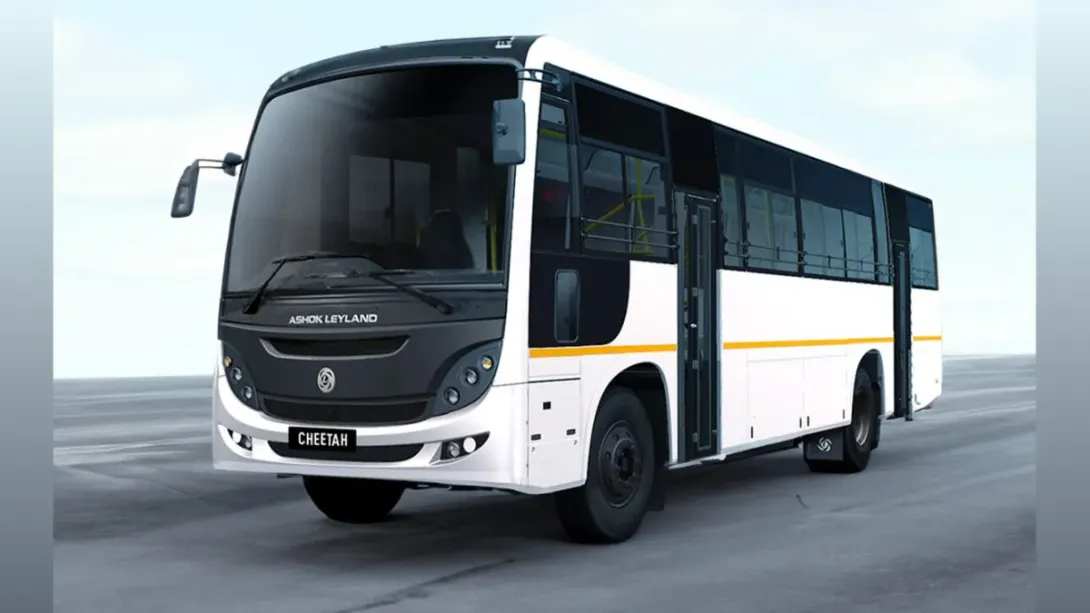
Ashok Leyland, India’s second-largest commercial vehicle manufacturer, is steering ahead with a future-ready roadmap that blends sustainability, technology, and strategic foresight. The company is intensifying its focus on alternate fuel technologies, electrification, and market diversification as the auto industry adapts to stringent emission norms and evolving mobility needs. By proactively aligning with regulatory trends and anticipating customer demand, Ashok Leyland aims to not only maintain its competitive edge but also lead the transition toward greener and smarter transport solutions across India and key export markets.
Navigating Change: Adapting to Emissions Norms and Market Realities
As global and domestic regulatory frameworks tighten their grip on vehicular emissions, Ashok Leyland has begun pivoting toward cleaner propulsion technologies. The company has made notable strides in developing electric buses, hydrogen fuel cell vehicles, and LNG-based trucks—all aimed at reducing carbon emissions without compromising performance.
India’s increasing push toward sustainability through the implementation of BS-VI Phase 2 norms and anticipated net-zero goals by 2070 has accelerated the company’s commitment to alternative fuels. Ashok Leyland’s management has emphasized that such regulatory tailwinds are not just compliance hurdles but also opportunities to reimagine mobility.
Embracing Alternative Fuels and Electric Mobility
To future-proof its product lineup, Ashok Leyland has ramped up R&D in electric and hybrid commercial vehicles. Through its electric mobility arm, Switch Mobility, the company has launched several electric buses across urban networks and is actively working on expanding its electric LCV portfolio.
Hydrogen-powered internal combustion engines and LNG-based trucks are also under development, aligning with the company’s view that India’s energy transition will be multi-fuel rather than purely electric. This diversified energy approach allows Ashok Leyland to cater to varied use-cases—urban transit, long-haul trucking, and intercity logistics—with technology that suits infrastructure readiness and cost-efficiency.
Operational Efficiency and Strategic Investments
The company's recent strategic investments focus on increasing manufacturing efficiency, integrating digital technologies, and enhancing after-sales services. Lean manufacturing practices, digitized production lines, and predictive maintenance systems are being implemented across facilities to lower costs while improving turnaround times.
Furthermore, Ashok Leyland has been enhancing its digital ecosystem, offering fleet management solutions that optimize route planning, fuel efficiency, and driver productivity. This integration of hardware and software strengthens its value proposition in the B2B space and aligns with the global shift toward data-driven transport management.
Strong Domestic Base, Growing Global Aspirations
With a robust domestic network and a growing international presence, Ashok Leyland is expanding its export footprint across Africa, the Middle East, and Latin America. The company views these regions as pivotal for its next phase of growth, especially with their increasing demand for durable and affordable mobility solutions.
Domestically, Ashok Leyland continues to play a key role in government tenders, state-run transport undertakings, and last-mile connectivity initiatives. Its product mix now caters to a broader spectrum of commercial users, from small fleet operators to large logistics chains.
Future Outlook: Leading the Sustainable Transition
Ashok Leyland’s proactive response to industry trends underscores its commitment to being more than just a legacy automaker—it aims to be a driving force in India's clean mobility revolution. By simultaneously investing in product innovation, sustainable practices, and operational efficiency, the company is setting a precedent for how traditional manufacturers can reinvent themselves without losing scale or profitability.
As the commercial vehicle sector braces for the next wave of disruption, Ashok Leyland appears poised not just to adapt, but to lead—equipped with foresight, financial discipline, and an unwavering focus on the future of mobility.
Comments