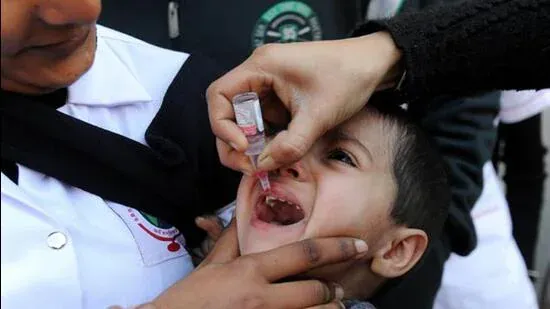
India has recorded a significant 43% reduction in the number of zero-dose children—those who have not received a single vaccine—according to the latest joint assessment by the World Health Organization and UNICEF. This notable progress reflects an enhanced national commitment to universal immunization and targeted outreach in underserved communities. The development signals India's improving healthcare infrastructure, even as global immunization rates recover unevenly from pandemic-era disruptions. The country’s efforts serve as a case study in the successful scaling of vaccination campaigns in densely populated and diverse regions.
A Landmark Achievement in Childhood Immunization
India's remarkable reduction in zero-dose children, from 2.7 million in 2021 to 1.5 million in 2023, marks one of the most substantial declines among low- and middle-income countries. The term “zero-dose” refers to children who have not received the first dose of the diphtheria, tetanus, and pertussis (DTP) vaccine—a key indicator of access to routine immunization services.
This 43% drop is more than a statistical triumph; it demonstrates the growing efficiency of India’s immunization infrastructure, bolstered by initiatives such as Mission Indradhanush and intensified grassroots engagement. These efforts targeted marginalized populations, often in rural or conflict-affected zones, where healthcare access has historically been limited.
Global Context: India’s Role in Reviving Vaccination Momentum
The global health landscape has been recovering slowly from the impact of COVID-19, which led to widespread disruptions in routine immunization services. In 2023, global immunization coverage for DTP3—the third dose in the DTP series—stood at 84%, still slightly below the pre-pandemic level of 86% in 2019.
India’s performance stands out amid these challenges. It is one of only a handful of countries that not only recovered but surpassed pre-pandemic momentum in identifying and vaccinating zero-dose children. Alongside nations like Nigeria, Indonesia, Ethiopia, and the Philippines, India contributed to over half of the global reduction in unvaccinated children in 2023.
State-Level Leadership and Strategic Interventions
A key driver of India's immunization success lies in its decentralized public health strategy. States and union territories have adopted tailored approaches to reach vulnerable groups, leveraging both governmental and non-governmental resources. Door-to-door campaigns, mobile vaccination units, and community health volunteers have all played critical roles in reducing immunization gaps.
Moreover, India’s use of real-time digital tracking systems and data analytics has allowed health authorities to identify immunization deserts and act swiftly to address coverage deficits. The convergence of political will, technological innovation, and civic engagement created a robust framework for success.
Challenges Ahead and Future Priorities
Despite this progress, over 1.5 million zero-dose children still remain—an urgent reminder that India's immunization campaign is far from complete. Many of these children belong to socioeconomically disadvantaged groups, including migrant families, urban slum dwellers, and communities in remote or conflict-prone areas.
Sustained investment in primary healthcare, health worker training, vaccine supply chains, and community sensitization is essential to close the remaining gaps. Experts stress the importance of integrating immunization efforts with broader maternal and child health services to ensure long-term success.
Additionally, vaccine confidence and misinformation continue to pose challenges in certain pockets of the country. Continued public awareness efforts and culturally sensitive communication are critical to overcoming these barriers.
A Blueprint for Other Emerging Economies
India’s immunization gains have broader implications beyond its borders. As the world grapples with restoring and enhancing global health systems, India’s model offers valuable lessons in scale, adaptability, and inclusive healthcare delivery.
The country’s success underscores that even in complex, resource-constrained environments, rapid improvements in public health outcomes are achievable through coordinated, data-driven, and people-centric strategies.
Conclusion
India’s sharp decline in zero-dose children is more than just a public health metric—it is a reflection of resilience, governance, and a renewed national focus on equitable healthcare. As global health organizations recalibrate their strategies post-COVID, India’s experience serves as both a milestone and a motivator for countries striving to deliver life-saving vaccines to every child, regardless of geography or socioeconomic status.
Comments