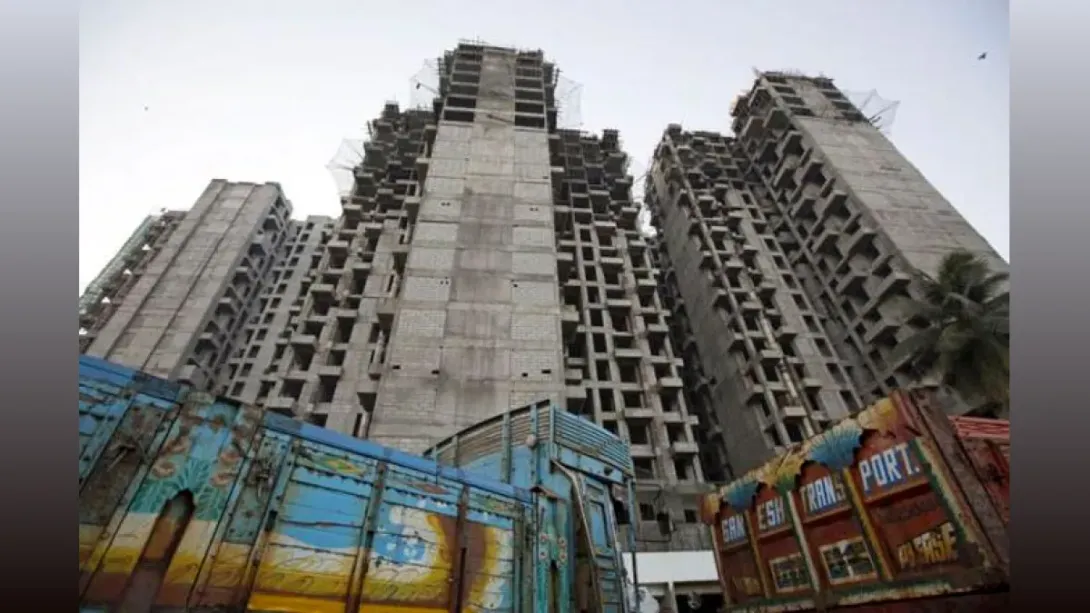
In a strategic bid to accelerate regional development, the Telangana government has urged the Centre to sanction financial support for transforming Zaheerabad into a full-fledged smart city. Positioned as a vital growth corridor with promising industrial and agro-processing potential, Zaheerabad’s proposed upgrade is expected to bolster infrastructure, improve quality of life, and catalyze job creation. By seeking Central funds, Telangana aims to integrate advanced urban planning, digital solutions, and sustainable practices into this emerging town, reinforcing its long-term economic prospects and solidifying its role as a key driver in the state’s ambitious growth narrative.
---
Telangana’s Ambitious Proposal for Zaheerabad
The Telangana government has formally appealed to the Union government for financial backing to convert Zaheerabad, a strategically located town in Sangareddy district, into a smart city. This push underscores the state’s broader objective of fostering balanced urbanization while tapping into underutilized regional hubs. The proposal envisions a substantial facelift for Zaheerabad’s infrastructure, encompassing better roads, improved waste management systems, integrated water supply, and robust digital connectivity.
The plan is anchored in the belief that targeted investments in emerging urban centers can decentralize growth from Hyderabad, reduce migration pressure on the capital, and unlock latent economic potential in peripheral towns. Telangana officials argue that Zaheerabad’s location along National Highway-65 and its connectivity to Karnataka and Maharashtra give it a logistical edge ripe for development.
---
Catalyst for Industrial and Agricultural Integration
Zaheerabad is already recognized for its agro-based industries and manufacturing clusters, notably housing facilities for prominent automotive players. The smart city proposal seeks to leverage these strengths by introducing cutting-edge logistics frameworks, special industrial zones, and technology-enabled market linkages.
By integrating digital platforms for agricultural supply chains and automating municipal services, Telangana aims to not only streamline governance but also enhance competitiveness for local producers. Officials believe this ecosystem will attract fresh investments, especially from mid-sized enterprises looking to operate outside congested metros but still benefit from modern urban amenities.
---
Focus on Sustainable Urban Solutions
Central to the smart city blueprint is a strong emphasis on sustainability. Telangana’s plan outlines initiatives such as solar-powered street lighting, rainwater harvesting systems, and smart grids to optimize energy use. The government also intends to implement intelligent traffic management systems and real-time monitoring of utilities, ensuring Zaheerabad’s growth is environmentally responsible.
This forward-looking approach is designed to make Zaheerabad a model for mid-tier cities aspiring to blend industrial growth with livability. Authorities are keen to avoid pitfalls of haphazard urban expansion, instead favoring a well-planned roadmap that balances economic ambition with ecological stewardship.
---
Economic and Social Implications
If approved, the project is anticipated to trigger a wave of employment opportunities, spanning construction, technology services, retail, and small-scale manufacturing. Additionally, improved civic infrastructure is expected to raise living standards, attracting skilled professionals and encouraging reverse migration from larger cities.
Beyond economics, the transformation could foster a more inclusive urban fabric. With plans to incorporate smart classrooms, telemedicine centers, and e-governance kiosks, the initiative aims to bridge digital divides and deliver essential services more efficiently to residents.
---
Looking Ahead
Telangana’s determined push for Zaheerabad’s smart city status reflects a pragmatic vision for balanced regional development. By seeking Central funding, the state underscores its commitment to collaborative federalism in advancing infrastructure goals. Should the Centre approve the allocation, Zaheerabad could emerge as a compelling case study of how targeted interventions can propel smaller towns onto a path of modern, sustainable growth.
In the broader context, this move signals an evolving approach in India’s urban strategy — one that doesn’t just concentrate on mega-cities but nurtures tier-2 and tier-3 towns as engines of future economic expansion.
Comments