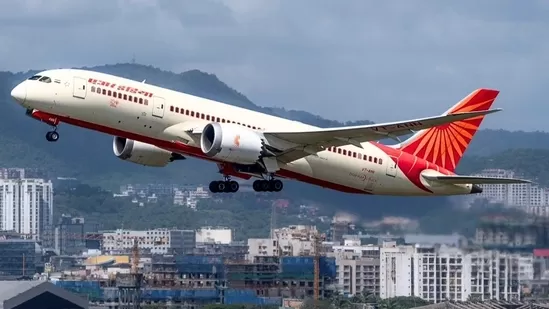
India’s civil aviation regulator, the Directorate General of Civil Aviation (DGCA), has issued a stern warning to Air India, threatening to suspend or revoke the airline’s operational license over persistent violations of pilot duty scheduling and oversight. The action follows systemic lapses in crew management, culminating in the removal of three senior officials. While not directly linked, the regulatory crackdown comes days after a catastrophic crash involving a London-bound Dreamliner that killed over 270 people. The DGCA’s latest move signals heightened scrutiny on Air India’s operational integrity, placing the airline under intense regulatory and public pressure.
DGCA Signals Zero Tolerance as Safety Lapses Mount
India’s aviation regulator has put Air India on notice following what it termed “repeated and serious violations” in crew scheduling procedures. The DGCA’s June 20 enforcement order mandated the immediate removal of three senior officials involved in operations and planning from all duties related to crew rostering. The officials named in the directive include Choorah Singh, Divisional Vice President of the Integrated Operations Control Centre (IOCC); Pinky Mittal, Chief Manager for Crew Scheduling; and Payal Arora, responsible for scheduling planning.
The regulator cited “systemic failures in crew scheduling, compliance monitoring, and internal accountability,” noting that such lapses undermine aviation safety and violate India’s civil aviation standards. Of particular concern was the absence of disciplinary action against key decision-makers responsible for these violations, the DGCA stated.
Air India’s Dreamliner Crash Deepens Scrutiny
The regulatory crackdown follows an unprecedented tragedy on June 12, when a Boeing 787 Dreamliner en route from Ahmedabad to London crashed shortly after takeoff. The incident claimed 241 lives on board and at least 30 more on the ground, making it one of the deadliest aviation disasters in India’s recent history. Though the DGCA did not explicitly connect the crash to its enforcement order, the timing and language of the directive suggest heightened oversight is now underway.
The Aircraft Accident Investigation Bureau (AAIB) has launched a full-scale probe into the crash. Sources familiar with the investigation indicate that crew fatigue and scheduling irregularities are among the areas being examined.
Separately, earlier in the day of the DGCA's enforcement order, a Delhi-bound Dreamliner was forced to return to Hong Kong due to a suspected technical fault — further amplifying concerns about operational integrity.
Regulator Issues Final Warning to Airline
The DGCA has left little room for interpretation in its latest order. It has warned that any further breach of norms governing crew duty hours, licensing, or operational audits will lead to stringent actions. These could range from hefty penalties to the complete suspension or withdrawal of Air India’s operator license — a move that would be unprecedented for a carrier of its scale and national importance.
“In any future post-audit or inspection, violations will invite strict enforcement action,” the DGCA said in its statement, underlining its commitment to restoring accountability and public trust in Indian aviation.
Air India’s Response: Compliance and Interim Oversight
In response, Air India confirmed its compliance with the regulator’s order and said the three officials named have been relieved of their scheduling responsibilities. The airline added that its Chief Operations Officer will now directly oversee the IOCC to ensure adherence to safety protocols.
“Air India is committed to total compliance with safety norms and standard practices,” the carrier said in an official statement. “We are reviewing internal processes and implementing stronger accountability measures.”
Industry Implications and the Road Ahead
The unfolding situation at Air India serves as a cautionary tale for the entire Indian aviation industry, where rapid growth often challenges regulatory compliance and operational discipline. As the national carrier navigates its post-privatization future under the Tata Group’s stewardship, systemic reforms in its operational and safety culture appear non-negotiable.
For the DGCA, this is a moment to reassert its authority and rebuild confidence in India’s civil aviation ecosystem — one audit, one enforcement order at a time. For passengers, it’s a reminder that in aviation, safety is not a slogan — it is the bottom line.
Comments