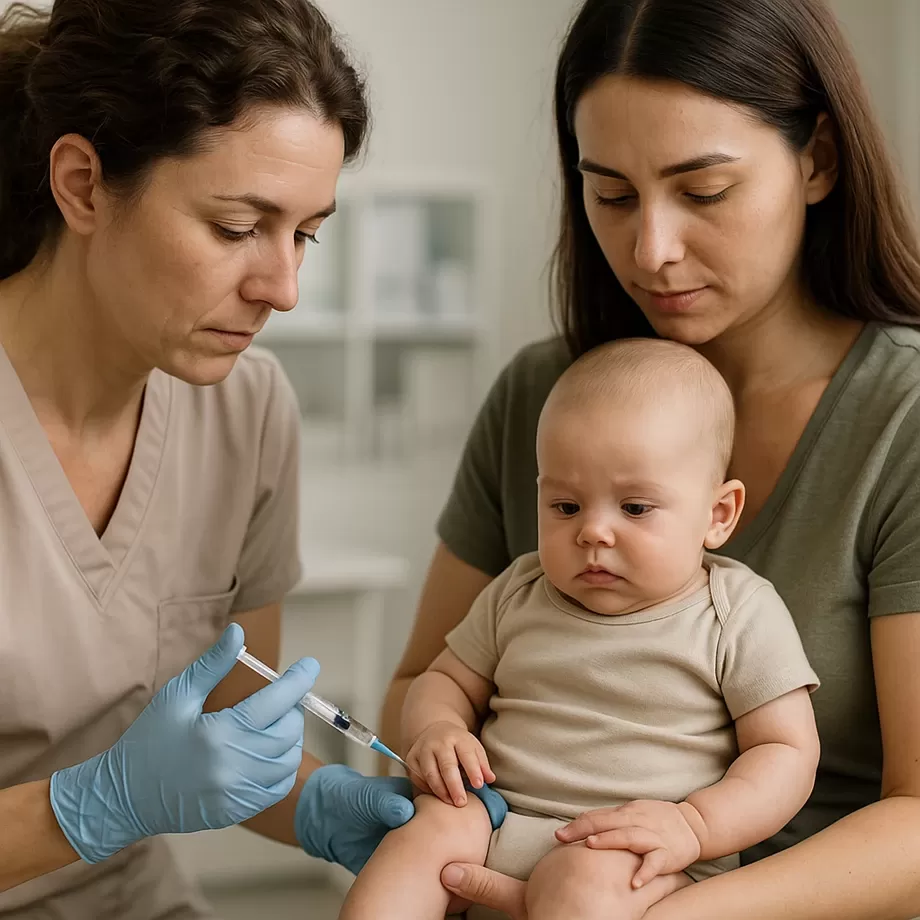
The World Health Organization (WHO) has released its first-ever position paper on immunization strategies against Respiratory Syncytial Virus (RSV), a leading cause of infant mortality. The paper introduces two key immunization approaches: a maternal vaccine designed to transfer antibodies to unborn infants, and a long-acting monoclonal antibody offering protection to infants for up to five months. The recommendations aim to reduce RSV-related deaths, particularly in low- and middle-income countries, where the virus has its most severe impact. WHO's new strategy represents a significant step toward achieving global health equity.
RSV: A Silent Threat to Infant Health
Respiratory Syncytial Virus (RSV) is a common yet highly contagious virus that causes respiratory infections such as pneumonia and bronchiolitis in infants and young children. While it typically presents as a mild cold in adults, RSV can be fatal for infants, particularly those under six months old. Globally, RSV is responsible for approximately 100,000 deaths and 3.6 million hospitalizations annually among children under five, with the highest burden falling on low- and middle-income nations.
Infants born prematurely or with underlying health conditions, such as congenital heart or lung disorders, face even greater risks. In these regions, where healthcare infrastructure often lacks the resources to offer intensive care, the virus poses a dire threat. Dr. Kate O’Brien, Director of WHO’s Immunization, Vaccines, and Biologicals department, described RSV as "incredibly infectious" and emphasized the importance of immunization to prevent severe disease and save infant lives worldwide.
WHO's Dual Approach to RSV Immunization
To address the global health crisis posed by RSV, the WHO has unveiled a two-pronged approach, focusing on both preventive maternal vaccination and postnatal protection for infants. These strategies aim to significantly reduce the RSV-related mortality rate and improve child health outcomes worldwide.
1. Maternal Vaccine (RSVpreF)
The maternal vaccine, RSVpreF, is designed to protect infants by administering the vaccine to pregnant women in their third trimester (from 28 weeks of gestation onward). The goal is to transfer protective antibodies to the unborn child, ensuring the infant is shielded from RSV in the critical first months of life, when the risk of severe disease is highest.
RSVpreF received WHO prequalification in March 2025, allowing it to be procured by global partners such as the United Nations. This move marks a significant milestone in global efforts to fight RSV, especially in low-resource settings where RSV-related fatalities are disproportionately high. The maternal vaccine can be integrated into routine antenatal care, making it accessible to a broad population of pregnant women.
2. Monoclonal Antibody (Nirsevimab)
The second immunization strategy involves a long-acting monoclonal antibody called Nirsevimab, which is administered to infants as a single injection. Nirsevimab offers protection against RSV for up to five months, typically covering an entire RSV season. WHO recommends its administration shortly after birth, or before an infant is discharged from a healthcare facility, ensuring that infants are protected from RSV in their vulnerable early months.
The antibody has been shown to provide significant benefits for infants under six months of age but can still offer protection to infants up to 12 months, particularly those experiencing their first exposure to the virus. Nirsevimab’s long-lasting protection makes it a critical tool for combating RSV, especially in areas with limited access to healthcare facilities and resources.
Tailored Implementation: A Flexible Approach for Diverse Healthcare Systems
The WHO’s position paper encourages countries to adopt the most suitable immunization strategy based on their unique healthcare capacities, cost-effectiveness, and population needs. This flexibility allows governments to tailor their RSV immunization programs to local contexts. The inclusion of both a maternal vaccine and a monoclonal antibody provides countries with the tools to design comprehensive programs that can maximize coverage and minimize RSV-related mortality.
The Strategic Advisory Group of Experts on Immunization (SAGE) approved both RSVpreF and Nirsevimab for global implementation in September 2024, a crucial step toward universal access to these life-saving interventions. With this endorsement, WHO aims to ensure that immunization programs can be scaled and adapted to suit different levels of health system infrastructure.
RSV's Global Burden: The Need for Immediate Action
RSV is often misunderstood as a mild illness, but its consequences are particularly severe in infants and other vulnerable populations. While RSV typically causes mild respiratory symptoms in healthy adults, it can lead to life-threatening conditions in young children, especially those under six months, premature infants, and those with weakened immune systems. The virus remains a significant cause of hospitalization and death among children globally.
The WHO’s immunization recommendations represent a major step toward reducing the health burden of RSV, particularly in regions with the highest mortality rates. The maternal vaccine and monoclonal antibody strategies offer viable solutions to protect the most vulnerable, easing the strain on overwhelmed healthcare systems and improving long-term child health outcomes.
Global Health and Future Directions
The introduction of these immunization strategies is part of WHO’s broader initiative to reduce child mortality, aligned with Sustainable Development Goal 3 (SDG 3). The successful implementation of these guidelines would not only prevent millions of hospitalizations but also alleviate the financial and emotional burden on families affected by severe RSV infections.
The WHO position paper aims to provide guidance for national policymakers, health program managers, and funding agencies, urging them to prioritize RSV immunization in their public health agendas. International support from funding bodies and governments will be critical for rolling out these vaccines and antibodies, especially in high-burden regions where RSV causes the most deaths.
As WHO continues to monitor the real-world impact of these immunization products, it will update its recommendations based on new data and emerging evidence. The ongoing commitment to equitable access and global health security will ensure that these life-saving interventions reach the populations most in need.
Looking Toward a Healthier Future for Infants
The release of this position paper marks a historic moment in the global fight against RSV. With the WHO’s endorsement of two critical immunization products—RSVpreF and Nirsevimab—the world is poised to make substantial progress in reducing RSV-related mortality and morbidity. These vaccines are not just medical interventions; they represent a step toward achieving health equity and saving countless infant lives.
As nations around the world work to implement these strategies, the hope is that RSV will no longer be a leading cause of infant death. With concerted global action, we can ensure that future generations of children grow up protected from the deadly impacts of respiratory syncytial virus.
Comments