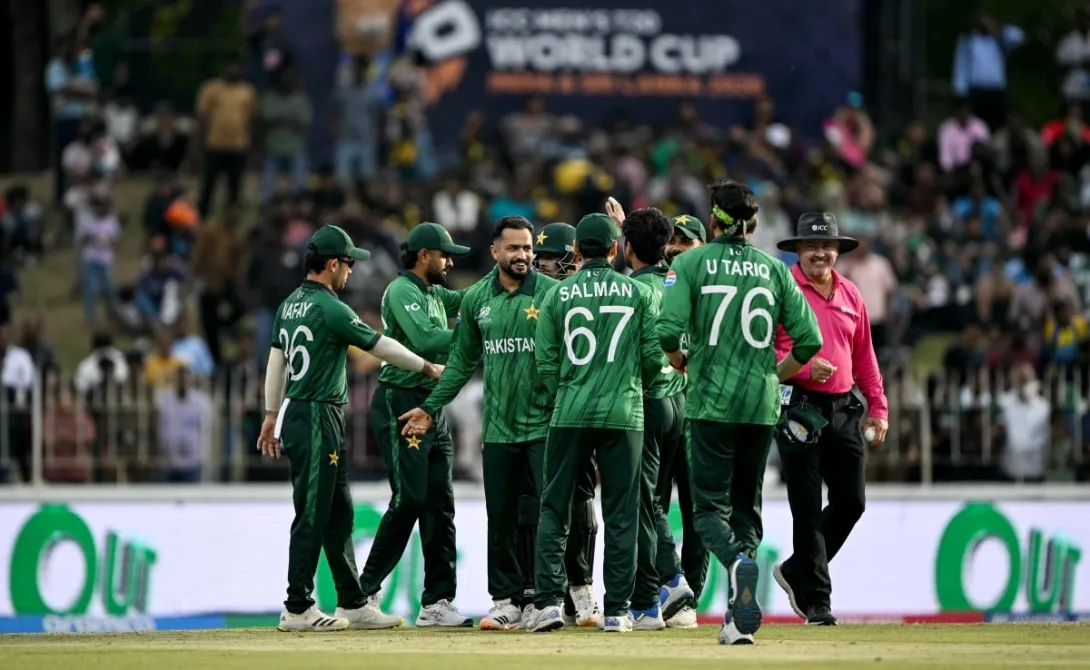
Former England all-rounder Moeen Ali has raised concerns over reports suggesting that Pakistan cricketers may be overlooked by Indian-owned franchises participating in The Hundred. Calling any potential exclusion “discriminatory,” Ali cautioned that players would not remain silent if they perceived bias in recruitment decisions. The controversy emerges against a backdrop of political tension between India and Pakistan, raising questions about the intersection of geopolitics and franchise cricket. The issue underscores broader governance challenges in global T20 leagues, where commercial interests, ownership structures, and sporting integrity increasingly collide.
Allegations Stir Debate in Franchise Cricket
Speculation surrounding player selection policies in The Hundred has sparked controversy after reports indicated that certain Indian-owned franchises might refrain from bidding for Pakistani players.
The franchises in question — Manchester Super Giants, MI London, Southern Brave and Sunrisers Leeds — are linked to ownership groups with roots in the Indian Premier League ecosystem.
While no formal policy has been publicly announced, the reports have triggered strong reactions from players and observers concerned about fairness in a league positioned as inclusive and merit-driven.
Moeen Ali’s Strong Rebuttal
Moeen Ali responded unequivocally, stating that any form of discrimination would be unacceptable within the United Kingdom’s sporting framework. He emphasized that if players believed selection decisions were influenced by nationality rather than performance, they would consider taking collective action.
Ali described the situation as potentially a “massive shame,” arguing that professional sport should transcend geopolitical tensions. His remarks reflect a broader ethos within English cricket, where diversity and inclusivity are core institutional values.
The former all-rounder’s intervention underscores the moral authority senior players often wield in shaping league culture.
Politics and the Global T20 Economy
Cricket’s franchise model has evolved into a multi-billion-rupee global enterprise, with ownership groups operating teams across continents. Indian Premier League franchises, in particular, have expanded their footprint into overseas tournaments, including England’s The Hundred.
This cross-border expansion has introduced complex governance questions. When ownership structures intersect with geopolitical sensitivities, leagues must carefully balance commercial autonomy with regulatory oversight.
Pakistan players have historically been absent from the Indian Premier League due to diplomatic strains between New Delhi and Islamabad. However, The Hundred operates under the jurisdiction of the England and Wales Cricket Board, which upholds distinct regulatory principles.
The current debate highlights how globalized franchise cricket increasingly mirrors the complexities of international relations.
Commercial Stakes and Competitive Integrity
From a financial perspective, exclusionary practices — whether real or perceived — could undermine investor confidence and brand credibility. The Hundred has positioned itself as a modern, inclusive tournament designed to attract diverse audiences and sponsors.
Commercial valuations in franchise cricket depend heavily on competitive balance, star power, and global engagement. Pakistani cricketers command substantial followings in international markets, contributing to broadcast viewership and merchandising potential.
Any perception of bias could therefore carry reputational risks, potentially affecting sponsorship deals, advertising revenue, and long-term franchise valuations.
Governance and Accountability
The controversy also places the onus on league administrators to ensure transparent auction processes. Clear communication and enforceable regulations are essential to maintaining trust among players and stakeholders.
Cricket boards worldwide have grappled with similar challenges as private capital assumes greater influence over team ownership. Ensuring that recruitment decisions remain performance-driven rather than politically influenced is critical to safeguarding sporting integrity.
Ali’s comments signal that players are prepared to defend these principles if necessary.
The Road Ahead
As auction preparations continue, attention will focus on whether Pakistani players feature in team selections. The outcome will likely serve as a litmus test for the league’s commitment to inclusivity.
Moeen Ali’s warning resonates beyond a single tournament. It speaks to a broader tension within modern sport: how to reconcile commercial expansion and geopolitical realities without compromising fairness.
In an era where franchise cricket commands billions of rupees in investment and global viewership, maintaining credibility is not merely ethical — it is economically imperative.
Comments