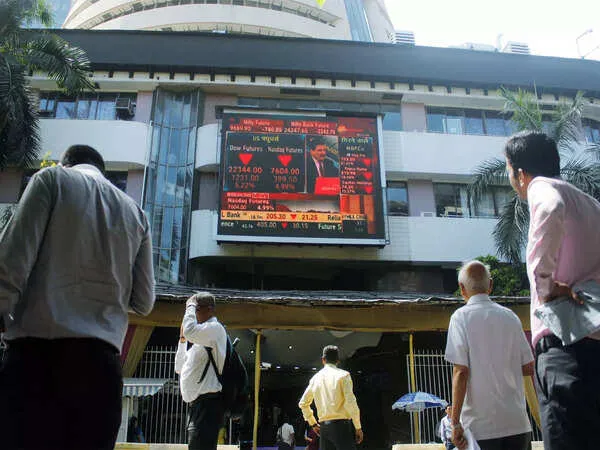
India’s benchmark indices, the BSE Sensex and Nifty 50, ended the week with losses exceeding 1 percent, pressured by a sharp correction in information technology stocks and shifting expectations around U.S. monetary policy. Concerns over artificial intelligence-led disruption triggered heavy selling in frontline IT names, erasing nearly Rs. 5.7 lakh crore in market capitalization within eight sessions. Meanwhile, softer U.S. inflation data revived hopes of rate cuts, though currency volatility and geopolitical tensions add uncertainty. The coming week presents a complex mix of domestic technical levels and global macroeconomic signals that could determine market direction.
IT Rout and Valuation Reset
The steep selloff in technology counters dominated trading sentiment. After American depositary receipts of major IT firms witnessed sharp declines earlier in the week, bargain buying emerged in the final session. Shares of industry bellwethers such as Infosys and Wipro recovered modestly, offering temporary relief.
Despite the rebound, the broader Nifty IT index has corrected nearly 19 percent in a short span, reflecting investor anxiety over artificial intelligence-driven disruption to traditional outsourcing models. Market capitalization losses in the sector have approached Rs. 5.7 lakh crore over eight trading sessions.
However, some global brokerage houses have adopted a contrarian stance, arguing that dividend yields in select IT majors have reached levels last observed during systemic crises, suggesting deep-value opportunities for long-term investors.
U.S. Inflation Data and Rate Cut Expectations
Global cues remain pivotal. The latest U.S. Consumer Price Index reading showed inflation at 2.4 percent year-on-year, marginally below consensus estimates of 2.5 percent. The softer print strengthened expectations that the Federal Reserve could implement at least two rate reductions this year.
For emerging markets like India, the prospect of lower U.S. interest rates is typically supportive, as it reduces pressure on capital flows and currency stability. Yet stronger labor market data in the U.S. has tempered aggressive easing bets, leaving markets sensitive to upcoming macroeconomic releases, including GDP figures and policy minutes.
Foreign Institutional Flows and AI Anxiety
Foreign institutional investors have remained cautious. Net outflows of approximately Rs. 1,374 crore so far this month underscore persistent risk aversion. A single session of heavy selling, amounting to over Rs. 7,000 crore, coincided with the steep IT correction, highlighting the sector’s outsized influence on headline indices.
Analysts suggest that once volatility in technology stocks stabilizes, foreign flows could gradually normalize. India’s diversified earnings base and improving corporate profit outlook for FY27 may serve as structural attractors for global capital.
Rupee Movement and Liquidity Dynamics
Currency trends add another dimension. The Indian rupee recently closed near 90.64 against the U.S. dollar, largely unchanged from prior levels. Meanwhile, the dollar index strengthened to around 96.95, marking its third consecutive gain.
A firm dollar can weigh on emerging market equities by incentivizing capital repatriation toward U.S. assets. Technically, the Rs. 90.00 level remains a key pivot for the rupee. Sustained depreciation beyond resistance zones could elevate imported inflation risks and pressure equity valuations.
Technical Indicators Signal Caution
From a chart perspective, the Nifty has slipped below its recent consolidation band, closing under 25,500 and testing support in the 25,400–25,300 region. This cluster aligns with the 200-day moving average and 200-day exponential moving average — levels closely tracked by institutional participants.
Immediate resistance lies near 25,600, while a decisive move above 25,800 would be required to restore bullish momentum. Options data indicate aggressive call writing at higher strikes, reflecting a cautious near-term outlook.
U.S. GDP and Policy Minutes
Investors will closely monitor the Federal Reserve’s latest meeting minutes alongside upcoming U.S. GDP data for the October–December quarter. These releases are expected to clarify the trajectory of interest rates and liquidity conditions.
Given the sensitivity of Indian markets to global capital flows, any indication of sustained U.S. economic resilience or delayed rate cuts could influence portfolio allocations.
Geopolitical Undercurrents
Geopolitical tensions remain a latent risk. Reports of heightened U.S. military preparedness in the Middle East have amplified uncertainty. Escalation could disrupt energy markets, elevate crude oil prices and rekindle inflationary pressures — factors that directly impact India’s macroeconomic stability.
Outlook: Volatility With Opportunity
The interplay between domestic technical thresholds and global macro signals positions the coming week as pivotal for Indian equities. While near-term volatility appears unavoidable, structural drivers — including earnings growth and policy stability — remain intact.
Markets often recalibrate sharply during phases of uncertainty. For disciplined investors, such corrections can present opportunities, provided risk management frameworks remain robust.
Comments