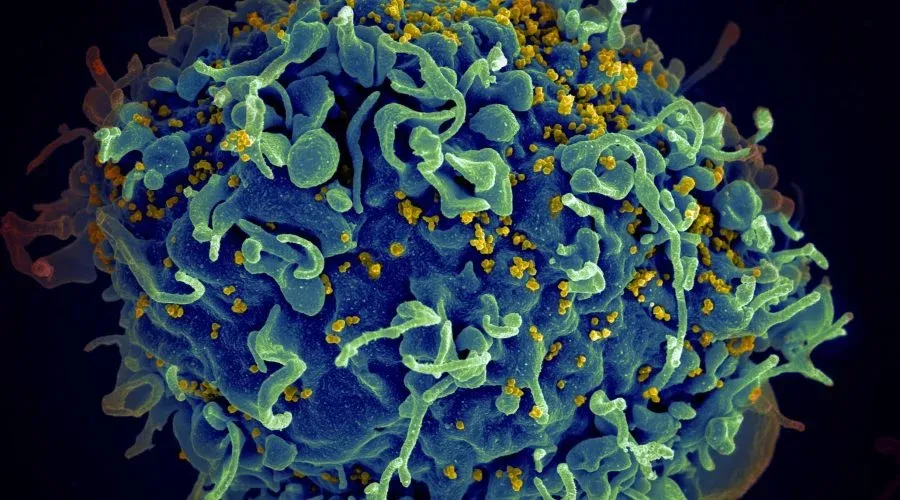
The global response to HIV is undergoing a measured but consequential transformation, shaped by scientific advances, shifting public health strategies, and renewed debates over funding sustainability. While antiretroviral therapy has turned HIV into a manageable chronic condition for millions, uneven access, social stigma, and emerging drug resistance remain pressing concerns. Governments, multilateral agencies, and pharmaceutical companies are recalibrating their approaches, emphasizing prevention, early diagnosis, and long-acting treatments. The focus is increasingly pragmatic: sustaining hard-won gains while adapting to new epidemiological and economic realities that demand smarter allocation of resources and stronger health systems.
Progress in Treatment and Clinical Innovation
Medical science continues to redefine the contours of HIV care. Modern antiretroviral regimens now allow patients to maintain near-normal life expectancy with minimal side effects. Long-acting injectable therapies, administered monthly or bi-monthly, are reshaping adherence models and reducing dependence on daily medication.
Researchers are also advancing preventive tools, including pre-exposure prophylaxis, or PrEP, which has proven highly effective when deployed at scale. Public health officials say these innovations, if paired with equitable access, could significantly curb new infections over the next decade.
Prevention, Testing, and Public Health Strategy
Prevention has moved to the forefront of national HIV strategies. Expanded testing programs, community-based outreach, and integration of HIV services into primary healthcare are now widely viewed as cost-effective interventions. Early diagnosis not only improves patient outcomes but also reduces transmission rates, creating a compounding public health benefit.
Health economists note that investments in prevention yield disproportionately high returns compared with late-stage treatment, particularly in resource-constrained settings.
Funding Pressures and Policy Realignment
Despite medical progress, financing remains a structural challenge. International donors are reassessing commitments amid competing global priorities, placing greater responsibility on domestic health budgets. This shift has prompted governments to seek efficiency through public-private partnerships and outcome-based funding models.
Policy analysts warn that funding volatility could reverse gains if prevention and treatment programs lose momentum. Sustained political commitment, they argue, is as critical as scientific innovation.
Social Barriers and Equity Concerns
Stigma and inequality continue to undermine HIV control efforts. Marginalized populations often face barriers to testing and treatment, limiting the reach of otherwise effective programs. Addressing these gaps requires not only funding but also legal reform, education, and community engagement.
Public health leaders increasingly stress that HIV is as much a social challenge as a medical one, requiring coordinated action across sectors.
Outlook: Managing HIV as a Long-Term Priority
HIV is no longer the global emergency it once was, but it remains a defining test of health system resilience. The next phase will depend on integrating innovation with disciplined policy execution and stable financing. The evidence is clear: with sustained focus, HIV can be controlled—but complacency carries a measurable cost.
Comments