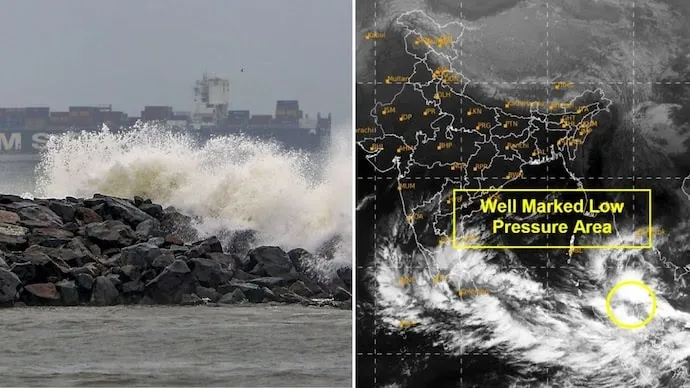
Meteorological authorities have issued warnings for southern India as a low-pressure system in the Bay of Bengal shows signs of intensifying into Cyclone Senyar within the next 48 hours. Forecasts indicate that the cyclone could bring heavy rainfall, strong winds, and localized flooding across coastal and adjoining inland districts. State governments are mobilizing disaster management teams, issuing advisories for residents, and pre-positioning relief resources. Farmers, fishermen, and urban populations in affected regions have been urged to exercise caution. Authorities emphasize that timely preparedness and adherence to official guidelines are crucial to minimize potential damage and safeguard lives and property.
Potential Formation of Cyclone Senyar
Weather monitoring agencies report that a low-pressure system over the Bay of Bengal is showing early signs of cyclonic development. Meteorologists predict that the system may intensify into Cyclone Senyar within the next 48 hours. Sea surface temperatures, wind patterns, and atmospheric conditions are favorable for rapid intensification, raising concerns for coastal districts of Tamil Nadu, Andhra Pradesh, and Kerala.
Expected Impact and Precautionary Measures
Cyclone Senyar is likely to bring heavy rainfall, gusty winds, and rough sea conditions to southern coastal states. Authorities have warned of the possibility of localized flooding, landslides in hilly regions, and disruption to transportation and power supply. Citizens in vulnerable areas are advised to avoid non-essential travel, secure loose objects, and stay updated with official alerts.
Government and Disaster Management Response
State disaster management authorities have activated emergency response teams and pre-positioned relief materials, including sandbags, rescue boats, and medical supplies. Fishermen have been advised to stay ashore until the system weakens, and local administrations are coordinating with municipal bodies to ensure timely evacuation if necessary. Officials emphasize that prompt action and adherence to safety guidelines can significantly mitigate the risks posed by the cyclone.
Historical Context and Preparedness
Southern India frequently faces cyclonic systems during the pre-monsoon and post-monsoon periods. Past cyclones have caused significant damage to infrastructure, agriculture, and livelihoods. Learning from previous experiences, authorities are emphasizing early preparedness, awareness campaigns, and timely warnings to minimize casualties and economic loss.
Conclusion
While Cyclone Senyar remains in the formative stage, meteorological agencies and state authorities are closely monitoring its trajectory and intensity. Residents are urged to stay informed, follow official advisories, and take precautionary measures. Coordinated response and community vigilance are key to reducing the impact of the impending storm on life and property.
Comments